Chinese fossil Yuezhuornis yangyuanensis reveals early bird ran more than flew
The crow‑sized fossil, unearthed in Fujian Province, suggests flight‑related traits evolved later than previously thought.
By Felo News Desk · Published
A nearly complete fossil of a crow‑sized Jurassic bird named Yuezhuornis yangyuanensis was uncovered in Fujian Province, southeastern China, according to two reports from The Independent published on Oct. 14 and Oct. 15, 2026.
What happened
The specimen, described as having unusually small wings for its size, was found in sedimentary rocks dating to about 150 million years ago, in the Jurassic Period. Researchers say the bird’s anatomy points to a lifestyle centred on running rather than sustained flight, likening it to a modern roadrunner that can sprint and make brief aerial bursts.
- The fossil weighed an estimated 800 grams (about 1.8 pounds).
- It possessed a long, bony tail and a sickle‑shaped claw on the second toe, features typical of non‑avian theropods such as Deinonychus and Velociraptor.
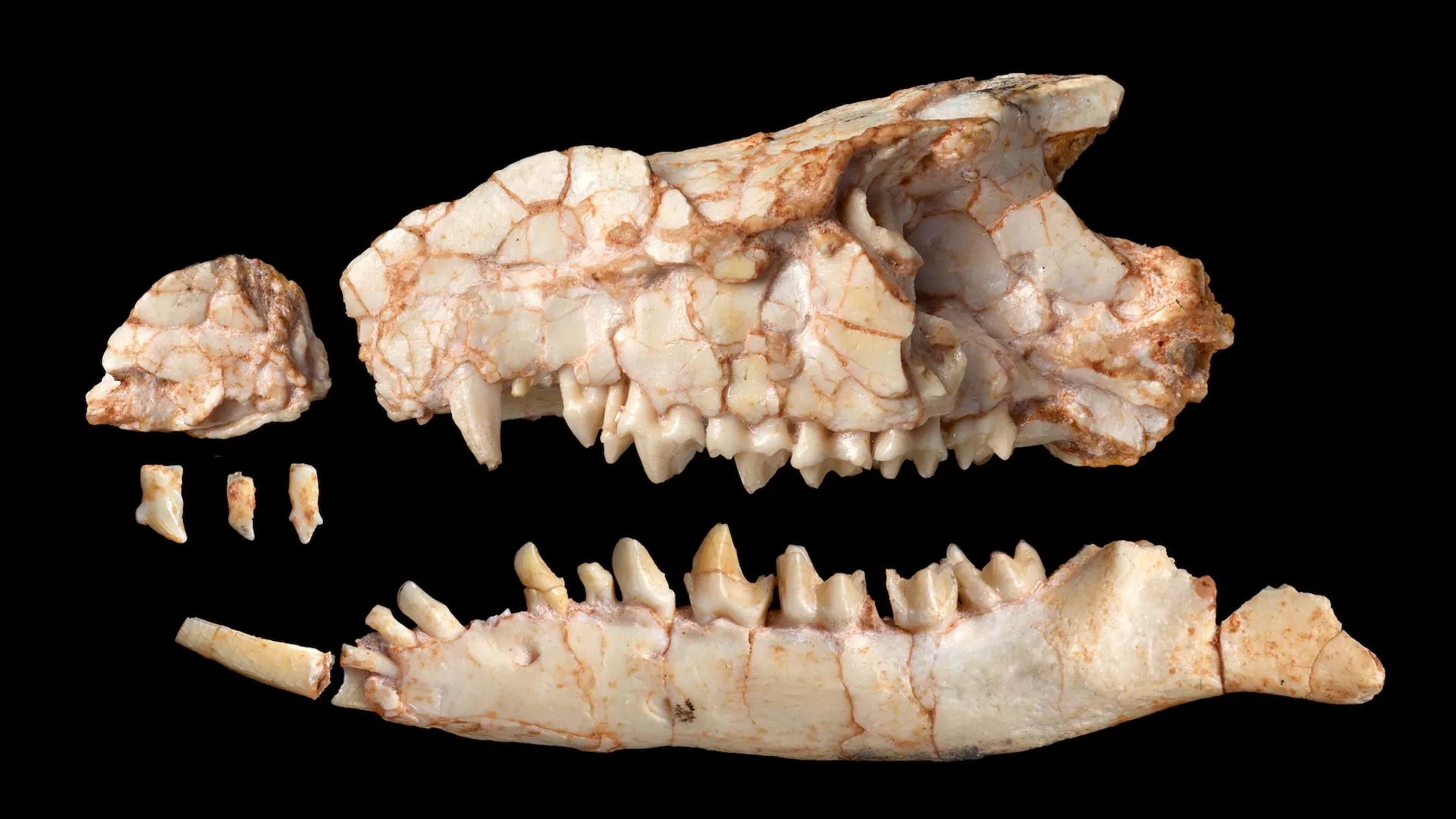
- Its jaws held relatively large, closely packed serrated teeth, a trait not seen in modern birds.
- Comparisons with 377 living bird species showed limb proportions most similar to ground‑dwelling birds like pheasants.
What the reports add
Both Independent articles repeat the core details, but the Oct. 15 piece adds that the fossil joins a small group of contemporaneous birds, including Archaeopteryx, that challenge the view of the earliest birds as primarily aerial. The Oct. 14 article notes the find was part of a study published in Nature on Wednesday, while the later article specifies the lead author as paleontologist Min Wang of the Institute of Vertebrate Paleontology and Paleoanthropology, Chinese Academy of Sciences, who co‑led the study.
Both reports highlight that Yuezhuornis displays a mosaic of avian and dinosaurian traits, suggesting it may represent an evolutionary experiment separate from the main avian lineage and that it likely shared a common ancestor with Archaeopteryx earlier in the Jurassic.
What was said
"Yuezhuornis challenges the traditional paradigm that the avian body plan evolved almost exclusively under the selective pressures of flight," said paleontologist Min Wang of the Institute of Vertebrate Paleontology and Paleoanthropology, part of the Chinese Academy of Sciences, to The Independent.
"So this new fossil just changes our assumption about what a Jurassic bird looks like," Wang added.
When asked whether the bird might have run like a roadrunner and only flown in short bursts, Wang replied, "Yes, that is likely."
How it came about
The discovery follows a series of recent Chinese fossil finds reported by Felo News, including the Jurassic mammal relative Megacoadon songi unearthed in Inner Mongolia earlier in October. Together, these finds illustrate a growing picture of diverse Jurassic ecosystems in China, where early vertebrates displayed a range of locomotor adaptations.
Key facts
- The fossil of Yuezhuornis yangyuanensis was found in Fujian Province, China. (independent.co.uk)
- The bird lived about 150 million years ago in the Jurassic Period. (independent.co.uk)
- Its wings are unusually small, suggesting a primarily running lifestyle. (independent.co.uk)
- Min Wang of the Institute of Vertebrate Paleontology and Paleoanthropology co‑led the study published in Nature. (independent.co.uk)