Brief
Youth protein TIMP2 restores function to aging brain immune cells, study shows
The study links the youth‑associated protein TIMP2 to improved microglial activity and reduced inflammation in aged mouse brains.
By Felo News Desk · Published
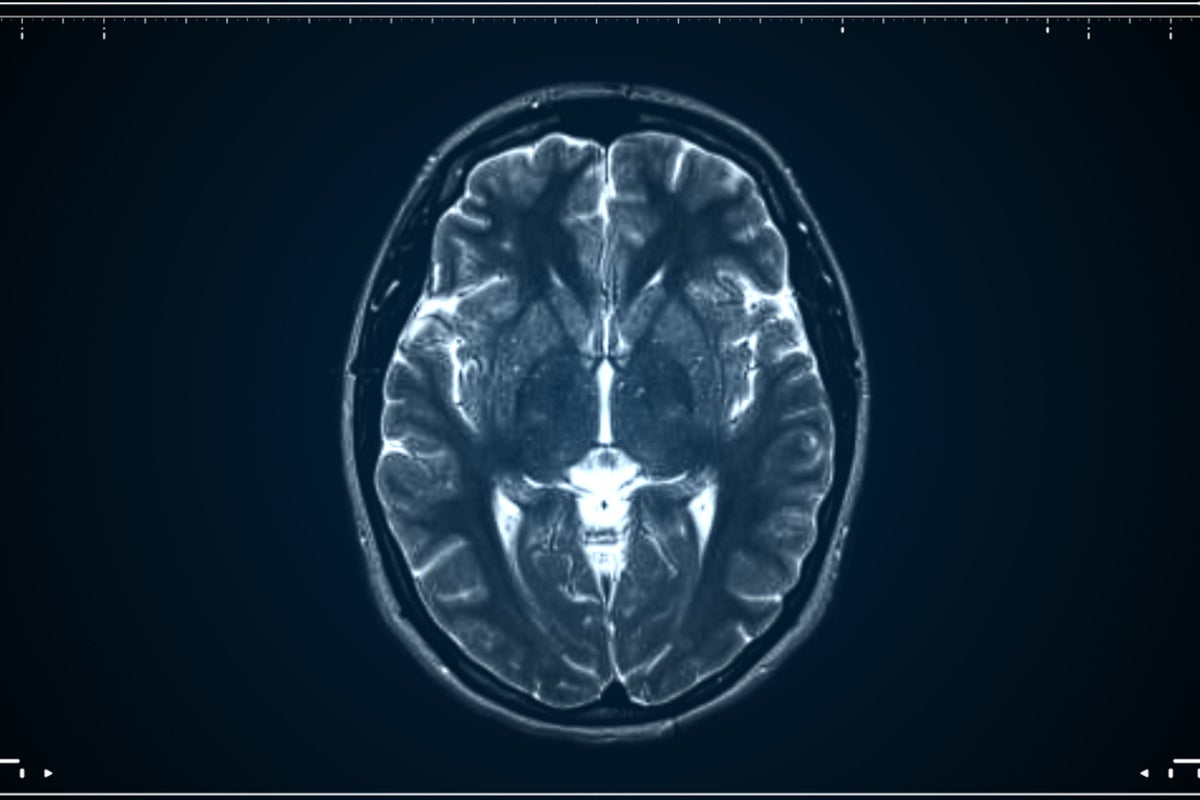
Scientists at the Icahn School of Medicine at Mount Sinai reported that the protein TIMP2, which is abundant in young organisms, can help aging brain immune cells regain youthful functions. The findings were published in Nature Communications and involve experiments on mice of different ages.
What happened
The research team first removed TIMP2 from the bloodstream of adult mice and observed that microglia – the brain's resident immune cells – began to display molecular markers associated with aging and neurodegeneration. In a separate set of experiments, the researchers infused TIMP2 back into older mice. Those mice showed microglia that cleared cellular debris more efficiently and exhibited fewer signs of inflammation and other harmful changes.
What the reports add
According to ScienceDaily, the study demonstrates that TIMP2 is crucial for maintaining healthy microglial activity, suggesting that proteins linked to youth may preserve the brain's natural defenses as it ages. The article notes that TIMP2 had previously been identified as a regulator of synaptic plasticity, indicating that it operates at the intersection of several processes essential for normal brain function.
What was said
"TIMP2 facilitates healthy function for the brain's immune cells," said Joseph M. Castellano, PhD, associate professor of neuroscience at the Ronald M. Loeb Center for Alzheimer's Disease and the Friedman Brain Institute, and corresponding author of the study. "By supporting the ability of microglia to clear debris and limit maladaptive responses, TIMP2 may help restore aspects of microglial function that become compromised with age."
How it came about
The investigation builds on earlier work by Castellano’s lab that linked TIMP2 to synaptic plasticity through the extracellular matrix. By extending that line of inquiry to microglia, the researchers provide new insight into why the brain's immune system becomes less effective with age—a key factor in the heightened risk of Alzheimer's disease and other neurodegenerative disorders.
Key facts
- Removing TIMP2 from adult mice caused microglia to develop aging‑related characteristics. (sciencedaily.com)
- Infusing TIMP2 into older mice improved microglial debris clearance and reduced inflammatory markers. (sciencedaily.com)
- The study was published in Nature Communications and conducted by researchers at Icahn School of Medicine at Mount Sinai. (sciencedaily.com)
- Joseph M. Castellano is the corresponding author and highlighted TIMP2's role in supporting microglial health. (sciencedaily.com)
Sources
- [1] sciencedaily.com — originally reported as “Scientists find a youth protein that helps aging brain cells act young again”