Brief
Scottish Fossil ‘Lizzie’ Revealed as Aquatic Creature After 345‑Million‑Year‑Old Scan
X‑ray imaging of the 345‑million‑year‑old Westlothiana specimen uncovered gills and a fish‑like mouth, prompting a reassessment of its place in vertebrate evolution.
By Felo News Desk · Published
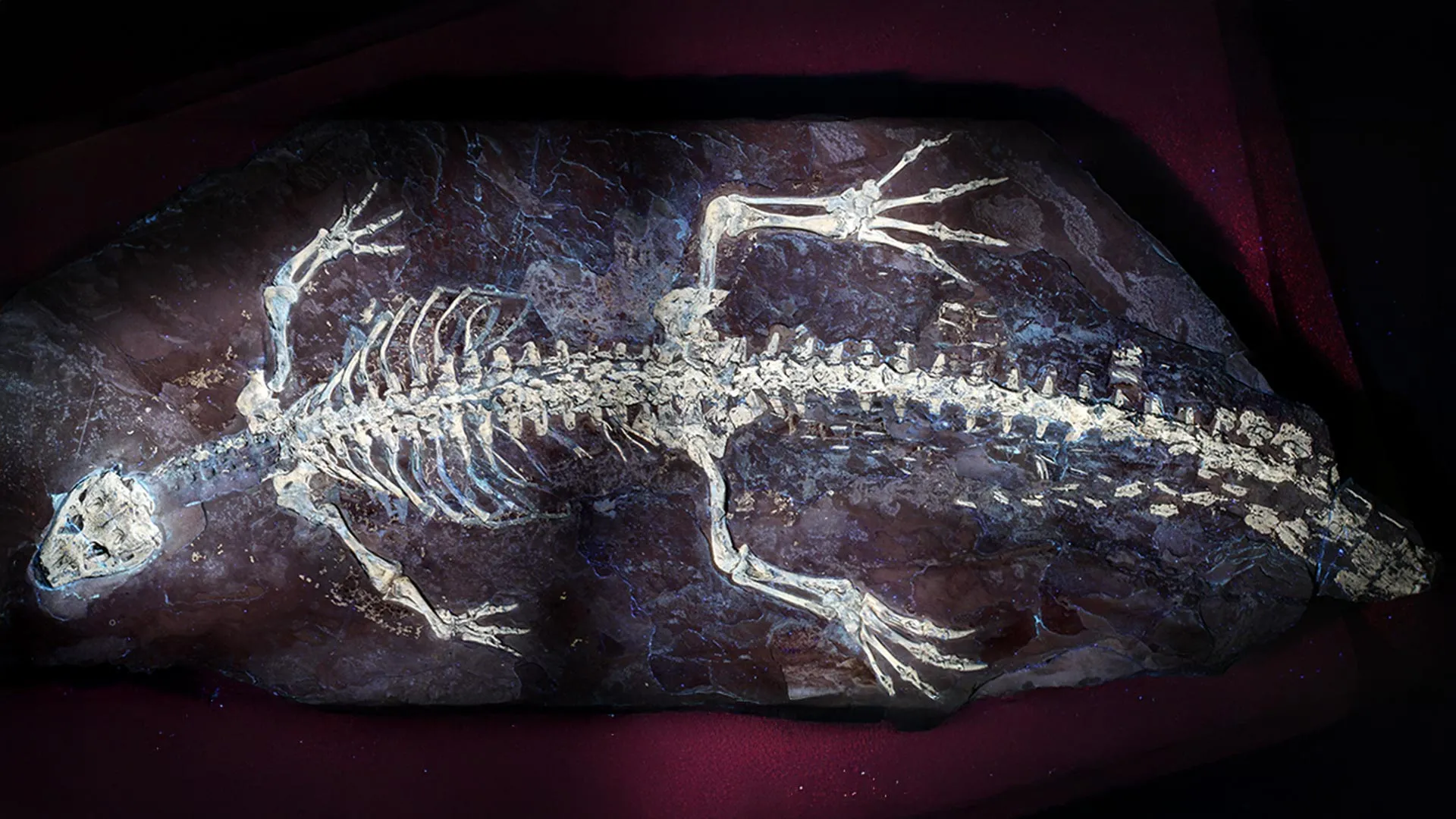
Researchers using synchrotron X‑ray imaging have revealed that the famous Scottish fossil Westlothiana lizziae, long celebrated as an early amniote, actually possessed internal gills and a tooth‑filled, fish‑like mouth, indicating an aquatic or amphibious lifestyle.
What happened
The fossil, discovered in Scotland in 1984 and formally described in 1990, consists of two slabs that preserve a nearly complete skeleton. For decades scientists examined only the exposed surface, noting five‑digit limbs with claw‑like tips that seemed to point to a fully terrestrial animal. In a new study published in Nature, a team from the American Museum of Natural History, the University of Oxford, and the European Synchrotron Radiation Facility scanned the specimen with high‑energy X‑rays. The scans exposed a primitive skull, ossified internal gills and a mouth packed with thousands of tiny teeth—features more typical of fish or early amphibians.
What the reports add
The article notes that the internal gills and the fish‑like dentition place Westlothiana on an older branch of the tetrapod family tree than previously thought. The researchers argue that these traits contradict the long‑standing view of the fossil as a key reference for the emergence of fully land‑adapted vertebrates. No other outlet has reported conflicting interpretations, so the article presents a single line of evidence.
What was said
“Lizzie has been an icon for the early evolution of amniotes for decades,” said Xavier Jenkins, a postdoctoral fellow in the Museum’s Division of Paleontology and co‑lead author of the study. “But when we were finally able to see inside the fossil, we found an animal that looked very different from what we expected.”
How it came about
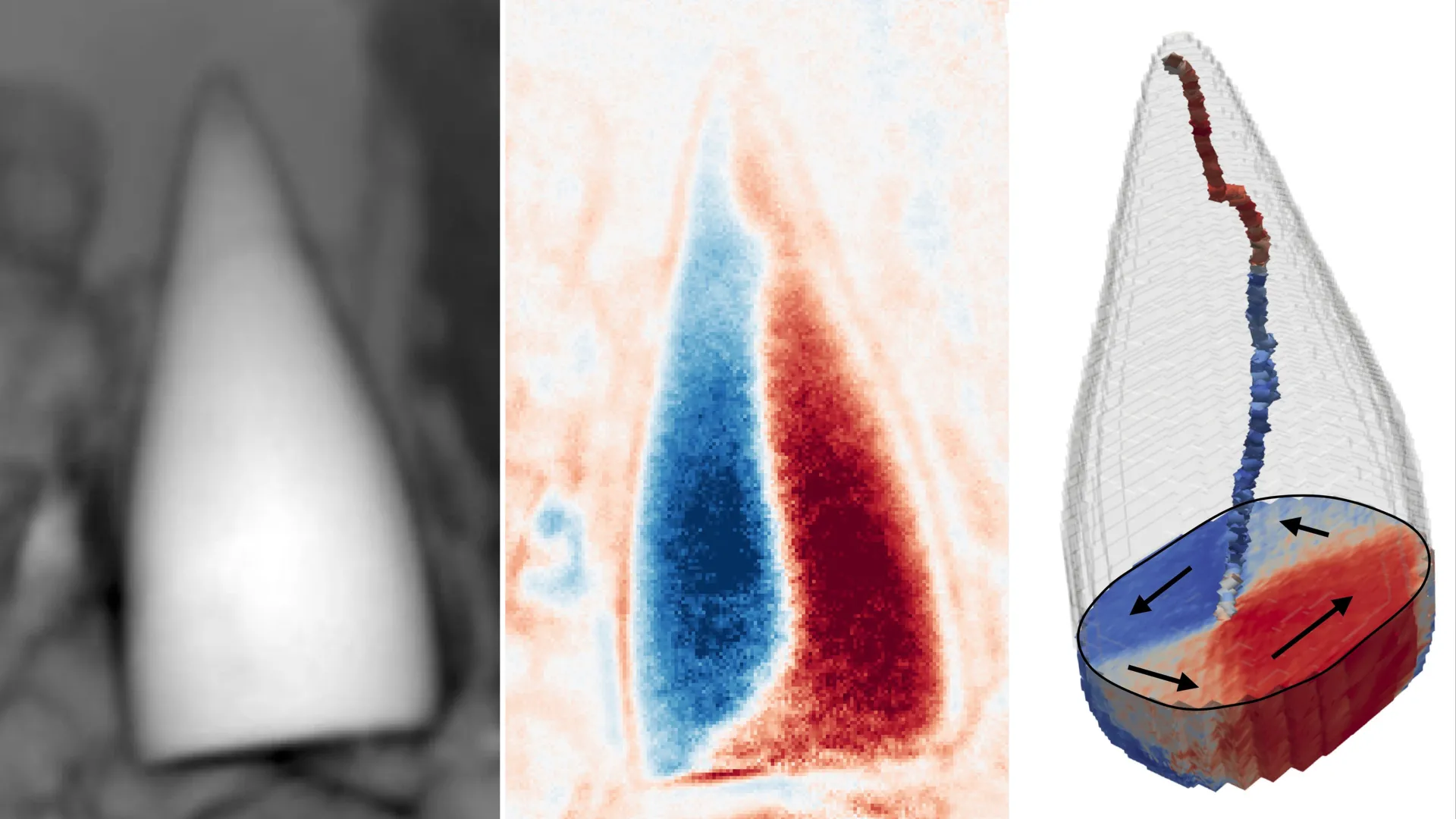
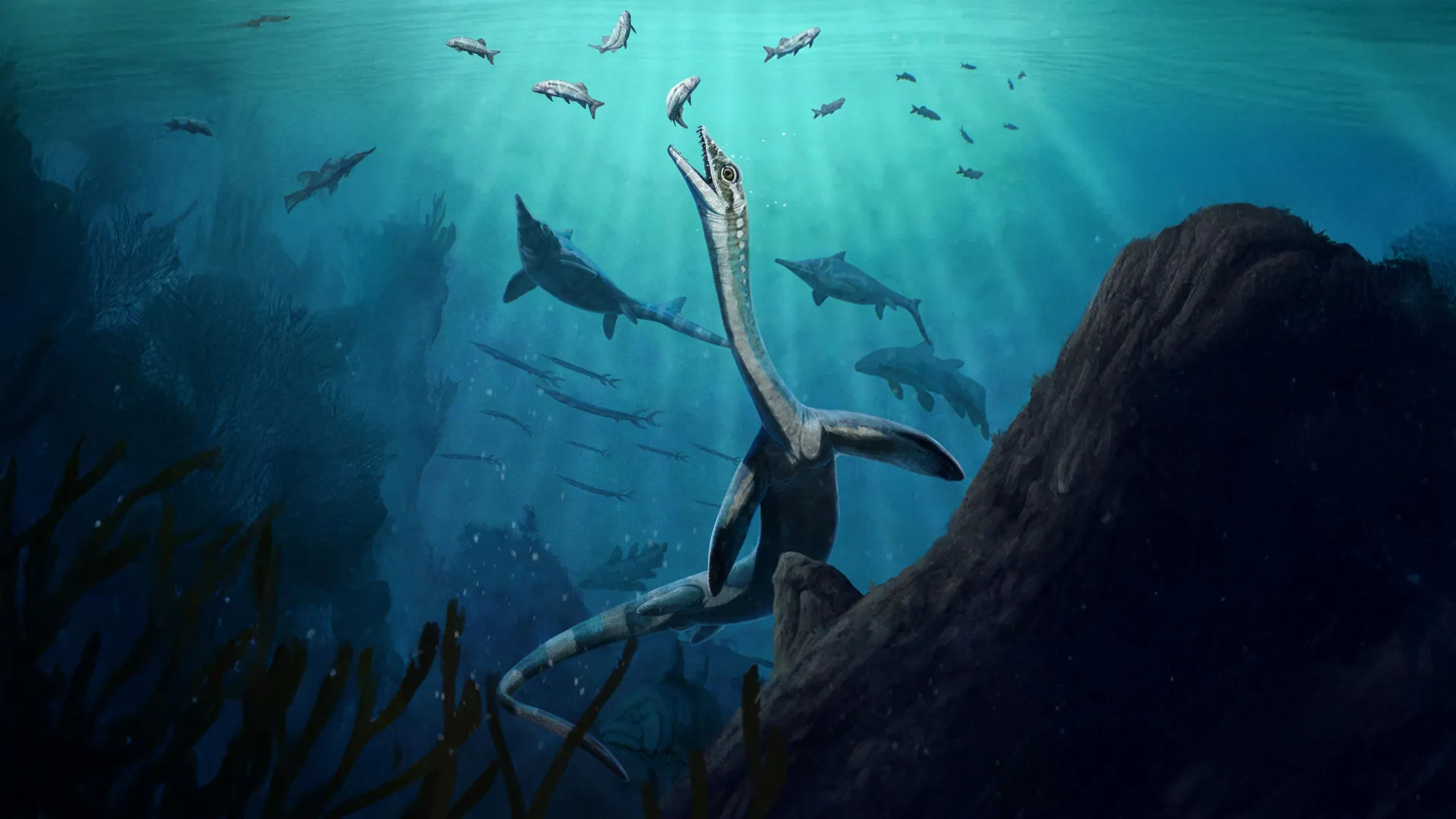
Earlier Felo News coverage highlighted other ancient vertebrate discoveries, such as a 245‑million‑year‑old marine reptile with a preserved digestive system (link) and a 97‑million‑year‑old magnetic fossil suggesting early navigation (link). Those pieces underscored the growing role of advanced imaging techniques in revisiting classic fossils, a trend now exemplified by the new Westlothiana findings.
Key facts
- Synchrotron scans revealed internal gills and a fish‑like mouth in the Westlothiana fossil. (scitechdaily.com)
- The fossil was discovered in Scotland in 1984 and described in 1990. (scitechdaily.com)
- Researchers from the American Museum of Natural History, University of Oxford and ESRF led the study published in Nature. (scitechdaily.com)
Sources
- [1] scitechdaily.com — originally reported as “This 345-Million-Year-Old Fossil Fooled Scientists for Decades”