NASA, Blue Origin and SpaceX accelerate lunar lander development for 2028 missions
NASA says new designs and an extended Centaur V stage will speed crewed lander readiness for Artemis missions slated for 2028.
By Felo News Desk · Published
NASA announced that it and commercial partners Blue Origin and SpaceX are accelerating the development of crewed lunar landers to meet the agency’s 2028 Moon‑return goal, according to statements from the agency and program officials.
What happened
NASA said it has streamlined the designs of the Blue Origin “Blue Moon” and SpaceX landers and altered concepts of operations for both providers. The agency also outlined a plan to test rendezvous and docking between test versions of the two landers and Orion in low‑Earth orbit next year as part of Artemis III. In parallel, NASA disclosed work with United Launch Alliance on an “extended” Centaur V upper stage that would enable Orion to reach low‑lunar orbit, addressing a long‑standing delta‑V shortfall.
What the reports add
NASA’s own release highlighted the design streamlining and the upcoming low‑Earth‑orbit docking test, while Ars Technica provided details on the docking geometry, noting that a low‑lunar‑orbit option would cut propellant use for the Blue Moon lander and give astronauts quicker abort options. Ars Technica also explained that the extended Centaur V stage, paired with the SLS core stage, would give Orion the capability to reach low‑lunar orbit, a capability previously missing from the service module.
What was said
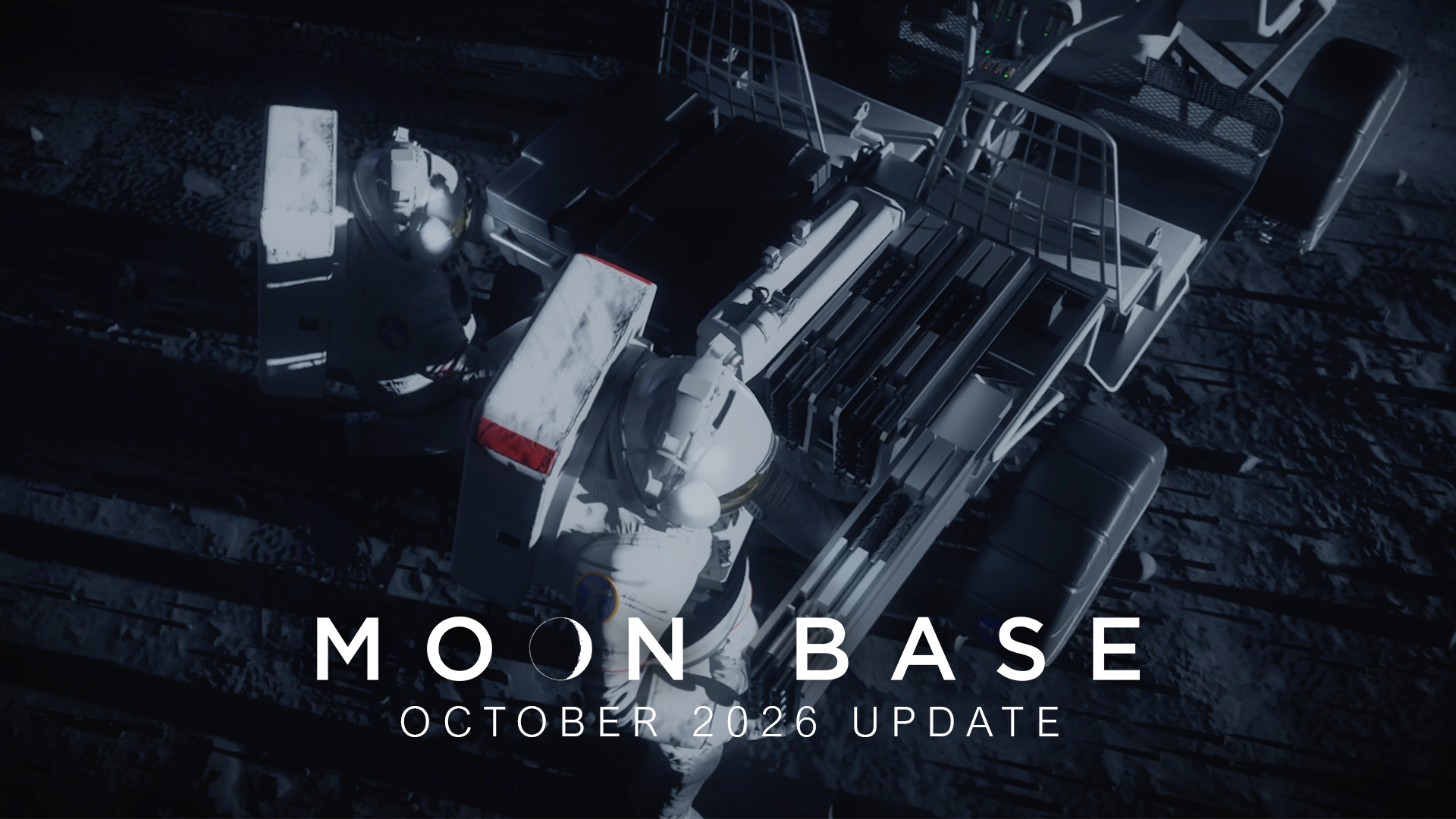
“We are executing President Trump’s National Space Policy to complete the long‑awaited return of American astronauts to the lunar surface in 2028 and establish a Moon Base,” NASA Administrator Jared Isaacman told reporters, according to the agency’s statement. He added that NASA’s “machine shops are running 24/7” and that the agency is building a “Super Bowl‑caliber team” to achieve the objectives.
Jeremy Parsons, manager of the Artemis Program for NASA, told Ars Technica that docking Orion in a low‑lunar orbit “significantly reduce[s] the propellant needed by Blue Moon to bring astronauts down to the lunar surface and back up,” and that the lower orbit would provide “more, and faster opportunities for astronauts to get off the lunar surface if needed.”
How it came about
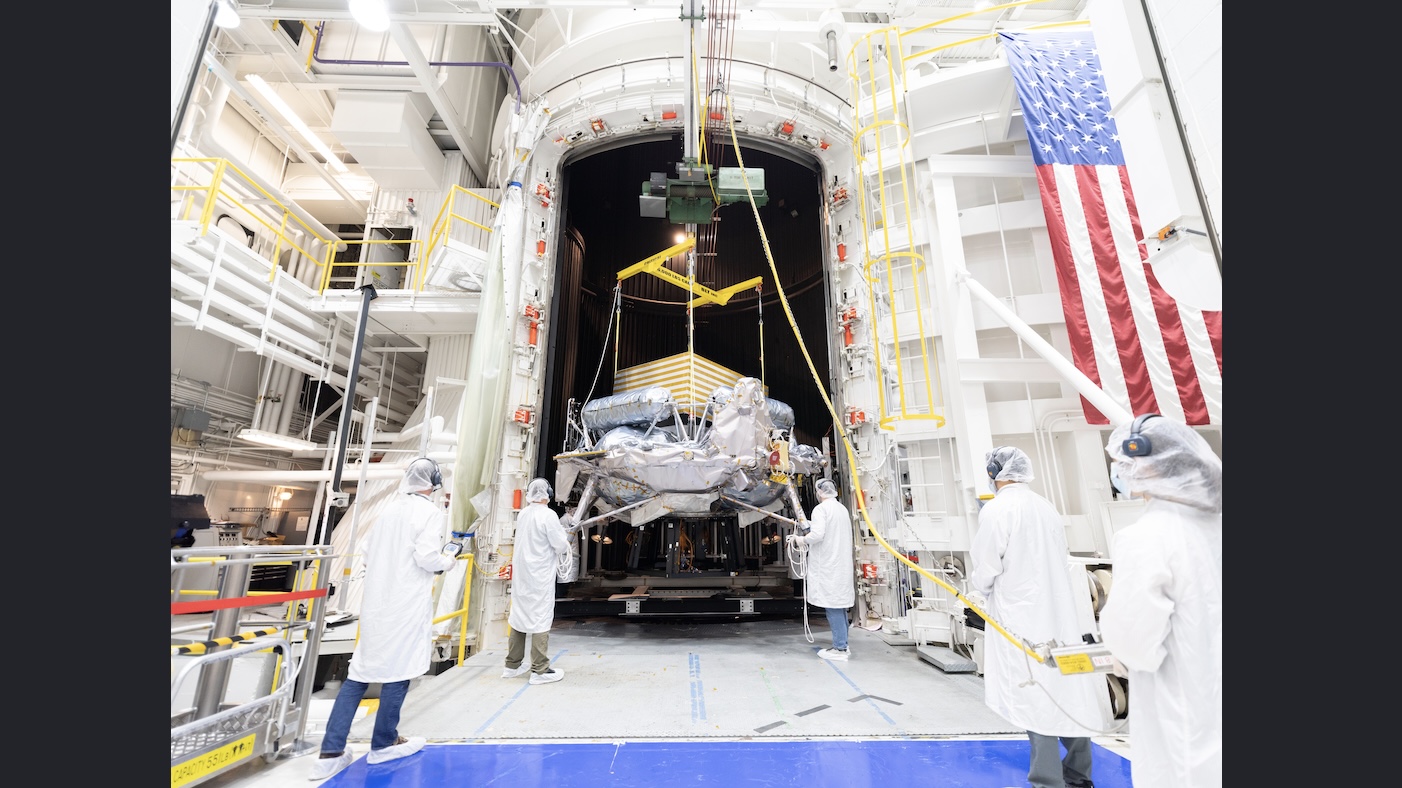
The acceleration follows a media briefing held on Oct. 23 at Kennedy Space Center, where Administrator Isaacman outlined Artemis III’s schedule and the agency’s 2028 lunar return target (NASA to brief media on Artemis acceleration and upcoming moon missions). Earlier in October, NASA JPL completed environmental tests of the Griffin‑1 lander slated for a SpaceX Falcon Heavy launch, and in September the agency announced new Starliner missions, indicating a broader push to certify multiple crewed systems. Recent updates on lunar rovers and meteor‑risk assessments for a 2032 Moon base also reflect the agency’s integrated approach to establishing a sustainable presence on the Moon.
Key facts
- NASA, Blue Origin and SpaceX are streamlining lunar lander designs to meet a 2028 Moon return. (nasa.gov)
- Artemis III will include a low‑Earth‑orbit rendezvous and docking test between Orion and test landers next year. (nasa.gov)
- NASA is developing an extended Centaur V upper stage with ULA to enable Orion to reach low‑lunar orbit. (arstechnica.com)
- Docking Orion in low lunar orbit would cut propellant needs for Blue Origin’s lander and allow quicker aborts. (arstechnica.com)
- NASA Administrator Jared Isaacman said the agency is working around the clock to achieve the 2028 goal. (nasa.gov)
Timeline
- 2026-10-13 — NASA JPL completes environmental tests of Griffin‑1 lunar lander
- 2026-10-14 — NASA media briefing on Artemis acceleration and 2028 Moon return
- 2026-09-28 — NASA outlines new Starliner missions after 2024 mishap
- 2026-10-20 — NASA details progress on lunar rovers for Moon Base
- 2026-10-23 — NASA chief warns of lunar meteor risk as 2032 Moon base plans progress
Sources
- [1] nasa.gov
- [2] arstechnica.com
- [3] cbsnews.com