Brief
NASA details progress on lunar rovers for Moon Base
NASA released a video update on the status of commercial lunar rovers and the VIPER mission, outlining testing, delivery plans and expected capabilities.
By Felo News Desk · Published
NASA released a video update on Tuesday outlining the current status of lunar rovers that will support the agency’s Moon Base program. The briefing highlighted progress on commercial lunar terrain vehicles (LTVs) and the VIPER rover, both slated for delivery to the lunar South Pole by 2028.
What happened
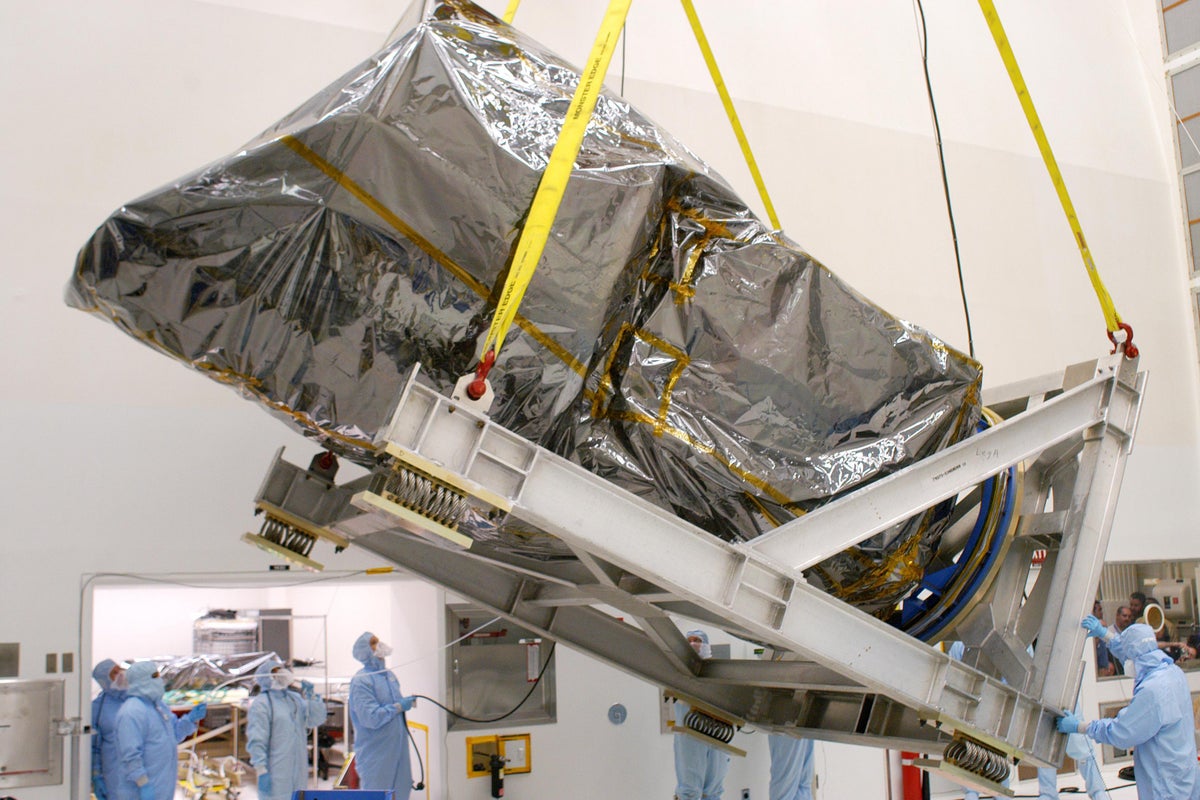
The agency’s Surface Mobility Office, led by Robert Pickle, presented details on two parallel rover tracks. The VIPER (Volatiles Investigating Polar Exploration Rover) is being assembled at Johnson Space Center, undergoing final testing before shipment to Kennedy Space Center for launch in 2027. Once on the Moon, VIPER will travel more than 18 miles (30 km) across permanently shadowed craters, gathering data on thermal conditions, lighting, terrain and the distribution of water ice.
Separately, NASA awarded task orders to Astrolab and Lunar Outpost to build the first phase of crew‑capable lunar terrain vehicles. Blue Origin received a contract to deliver these LTVs to the South Pole region by 2028 under the Commercial Lunar Payload Services (CLPS) program. The LTVs will be remotely operated from Earth, capable of traversing up to 3.7 miles (6 km) per day and producing high‑resolution surface maps before crewed Artemis missions arrive.
What the reports add
The update emphasized that the LTVs will support both scientific mapping and infrastructure scouting, while VIPER’s measurements will inform resource‑prospecting strategies for long‑duration exploration. NASA noted that mission operations for VIPER are run from Ames Research Center, where teams simulate lunar scenarios.
What was said
“Lunar rovers are central to our surface mobility strategy,” Robert Pickle told NASA’s Moon Base video update. “Their performance will lay the groundwork for the mobility systems that will define the next era of exploration and ultimately determine how effectively we can build, operate, and expand the infrastructure required for long‑duration exploration.”
How it came about
The rover development follows earlier NASA announcements on Artemis acceleration and upcoming lunar missions, including the Oct. 14 media briefing on Artemis III and the Oct. 8 selection of the GIMLI mission to probe lunar lava‑tube caves. These initiatives collectively aim to establish a sustainable human presence on the Moon by the end of the decade.
Key facts
- NASA’s VIPER rover will travel over 18 miles across the lunar South Pole in 2027. (nasa.gov)
- VIPER is currently at Johnson Space Center undergoing final testing before launch from Kennedy Space Center. (nasa.gov)
- NASA awarded Astrolab and Lunar Outpost contracts to build crew‑capable lunar terrain vehicles. (nasa.gov)
- Blue Origin will deliver the lunar terrain vehicles to the South Pole by 2028 under the CLPS program. (nasa.gov)
- LTVs will be remotely operated from Earth and can traverse up to 3.7 miles per day. (nasa.gov)
Sources
- [1] nasa.gov — originally reported as “NASA Provides Progress Update on Moon Base Rovers”