NASA’s Swift Observatory set to re‑enter Earth’s atmosphere after rescue attempt fails
The U.S. Space Force says the 1½‑ton Swift Observatory will re‑enter on or around Friday, ending a 22‑year mission.
By Felo News Desk · Published
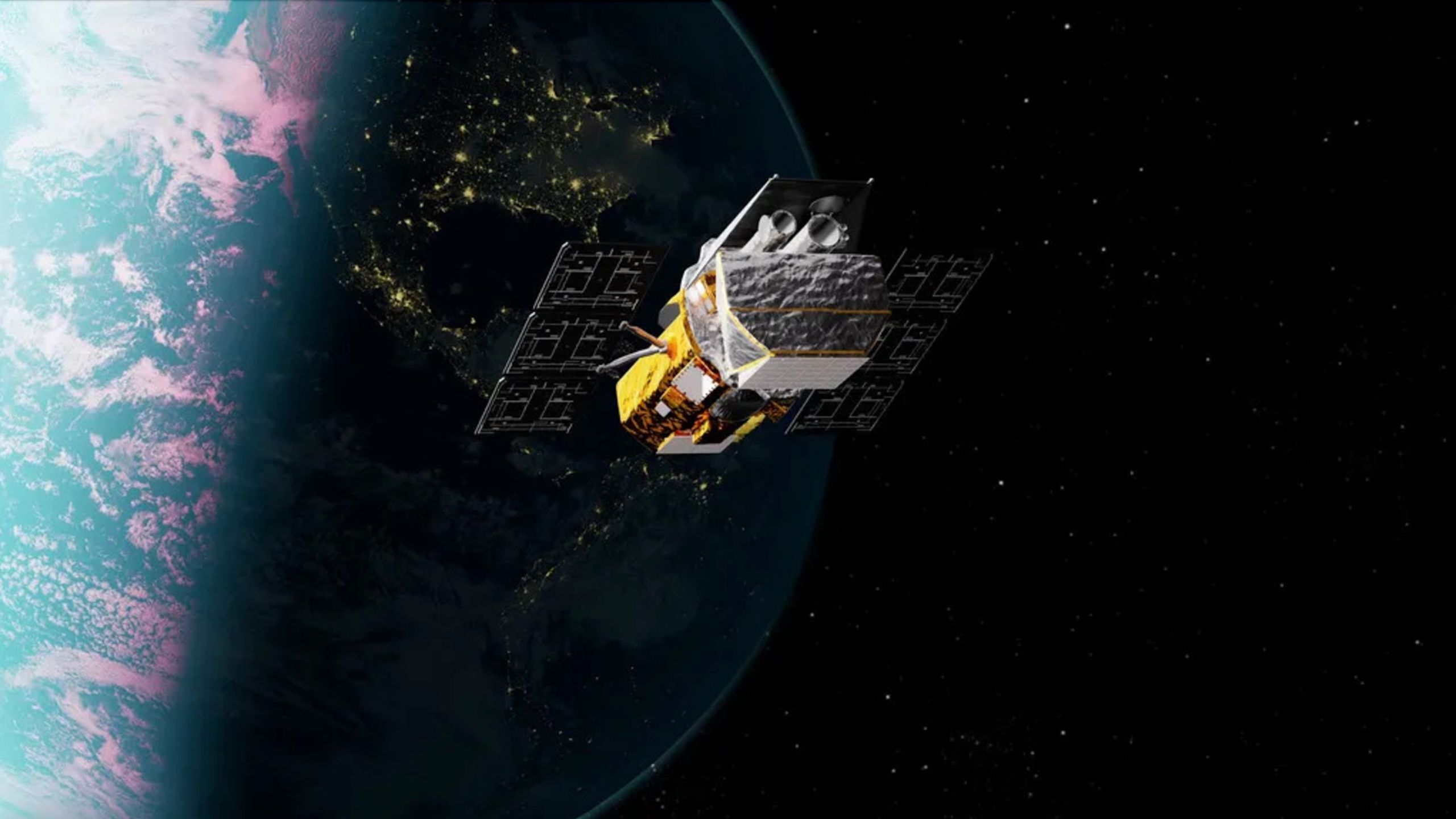
NASA’s Swift Observatory is expected to plunge back to Earth on or around Friday after a private rescue mission failed, the U.S. Space Force said.
What happened
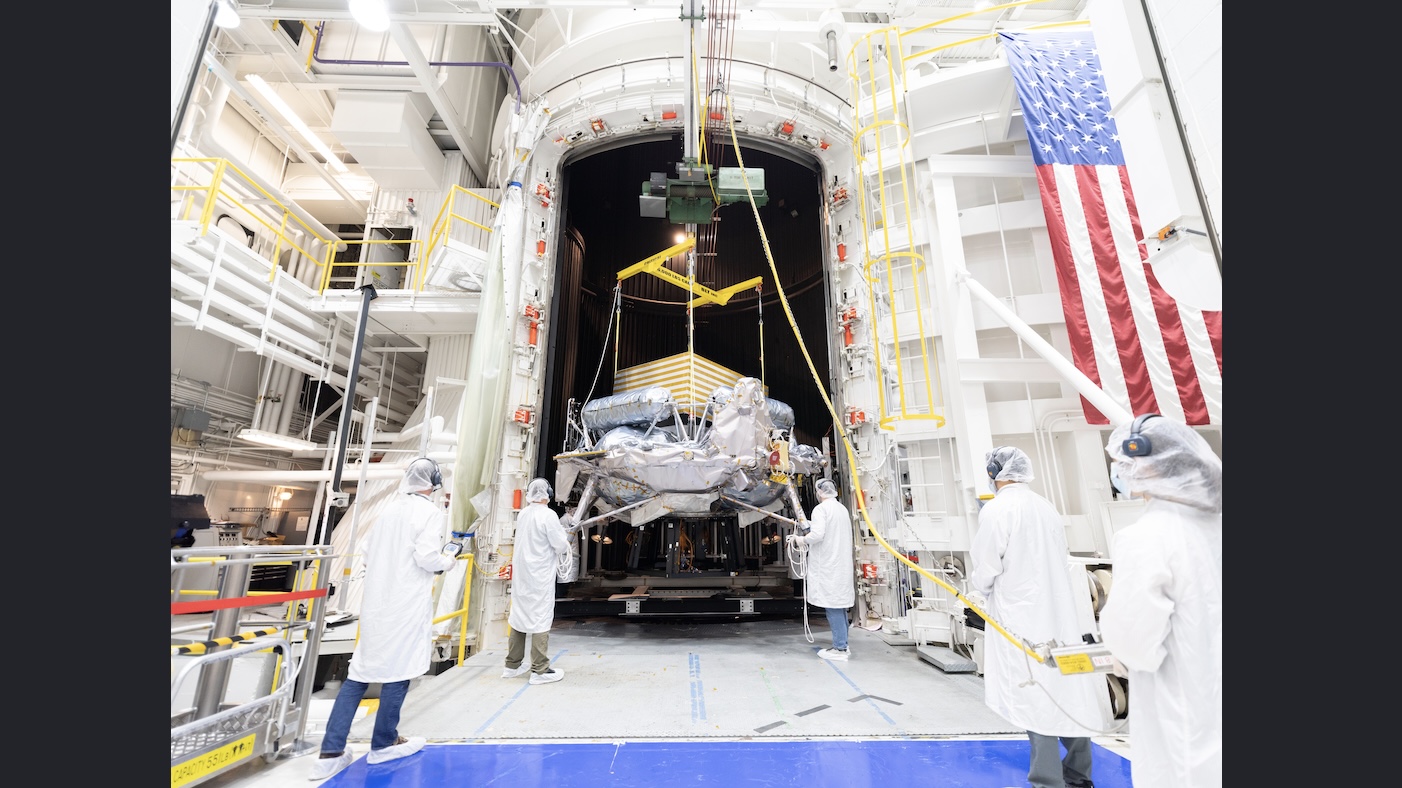
The aging 1½‑ton telescope, launched on 20 Nov 2004, has been drifting lower in low‑Earth orbit due to strong solar activity. A rescue spacecraft built by Katalyst Space launched on 3 Jul 2026 but could not capture Swift because of propulsion and reaction‑wheel problems, leading NASA to end the mission on 23 Oct 2026. The Space Force now tracks the craft’s trajectory and predicts re‑entry within the next few days.
What the reports add
Both the Independent and CityNews cite NASA chief scientist Brad Cenko saying most of the telescope will incinerate, but dense tungsten components and some mirror elements could survive. The Independent adds that surviving debris could fall into the ocean, while CityNews notes the same and lists the same re‑entry zone regions. The Independent mentions that the Space Force predicts a crash “on or around Friday,” whereas CityNews repeats the same timeframe without a specific day.
What was said
Brad Cenko, NASA’s chief scientist, told the Independent that “most of the 1½‑ton telescope should incinerate upon descent, though dense tungsten components and mirror elements could survive re‑entry.” The same quote appears in CityNews, attributed to Cenko as well. Pennsylvania State University astronomer John Nousek, who led the control team, said to the Independent, “We’ve known this day would come since before Swift was launched. At least in low‑Earth orbit, what goes up must come down. And that end is catastrophic.” CityNews repeats Nousek’s statement verbatim.
How it came about
Swift’s mission, originally planned for two years, lasted more than 22 years, observing gamma‑ray bursts and supernovas. Earlier this month, Felo News reported NASA’s decision to end the mission after the failed rescue attempt (see NASA ends Swift telescope mission after failed private rescue attempt). The rescue effort, contracted to Katalyst Space, was launched in July but failed due to technical issues, prompting the current re‑entry scenario.
Key facts
- Swift Observatory will re‑enter Earth’s atmosphere on or around Friday (independent.co.uk)
- Most of the 1½‑ton telescope will burn up, but tungsten and mirror parts may survive (toronto.citynews.ca)
- NASA ended the Swift mission on 23 Oct 2026 after a failed rescue attempt (independent.co.uk)
Timeline
- 2004-11-20 — Swift launched
- 2026-07-03 — Katalyst Space rescue spacecraft launched
- 2026-10-23 — NASA officially ended Swift mission