Brief
NASA ends Swift telescope mission after failed private rescue attempt
NASA confirmed Swift's mission is over after Katalyst Space's rescue spacecraft could not capture the aging observatory.
By Felo News Desk · Published
NASA announced on Oct. 23 that the Neil Gehrels Swift Observatory, launched in November 2004, will cease operations and is expected to re‑enter Earth’s atmosphere within the next few weeks, after a private rescue attempt failed.
The rescue effort was led by Arizona‑based Katalyst Space Technologies, which built a refrigerator‑sized spacecraft called LINK. LINK launched on July 3, 2026, under a $30 million NASA contract awarded in September 2025, with the goal of rendezvousing with Swift, grappling it with three robotic arms, and boosting it to a higher orbit.
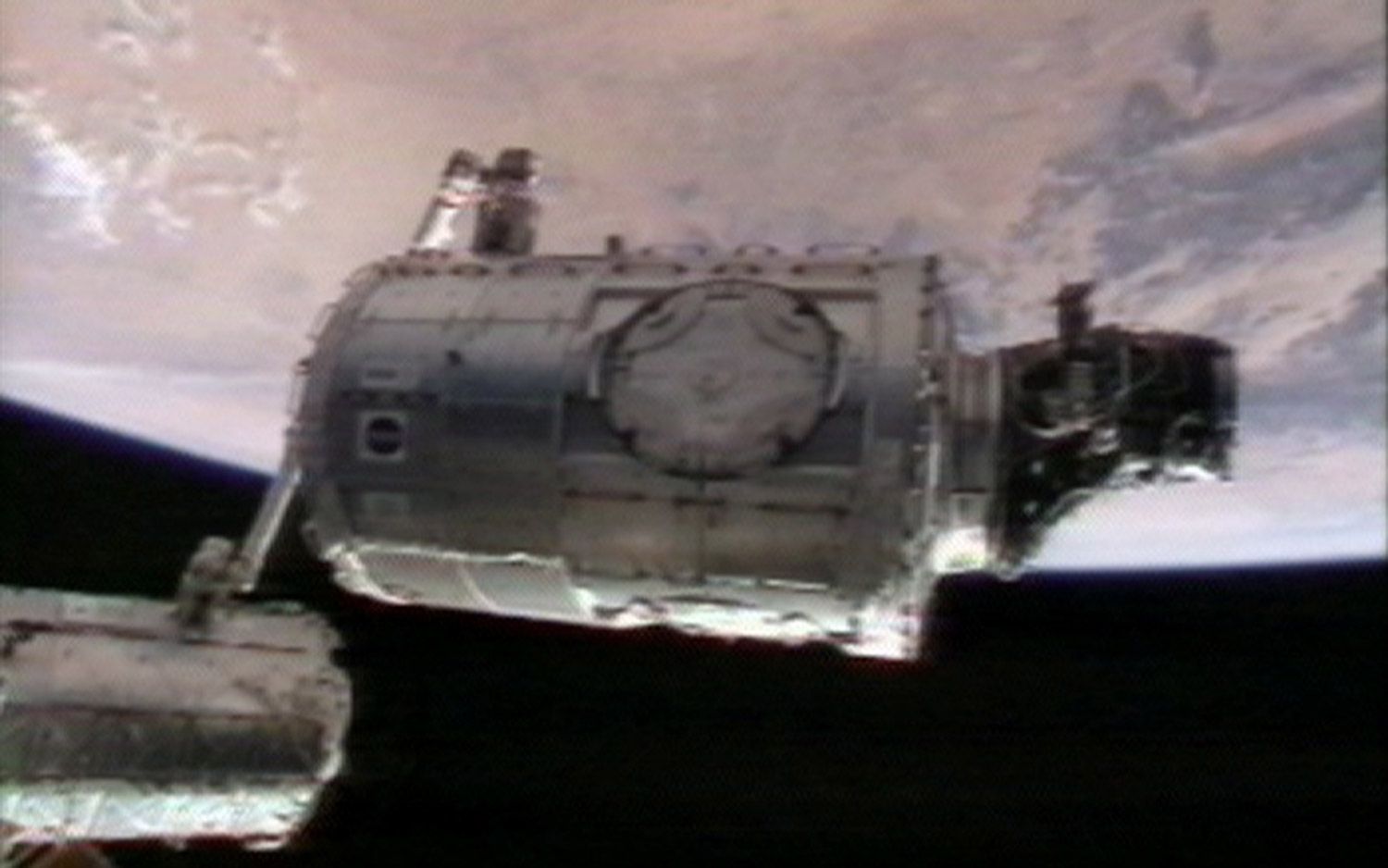
About three weeks after liftoff, LINK experienced propulsion and reaction‑wheel problems that caused it to spin unexpectedly, preventing the capture. Despite the malfunction, the craft approached within 12–15 km of Swift and photographed the telescope.
"In that time, Swift played a major role in advancing our understanding of the changing universe and was part of a revolution in astrophysics that showed how critical rapid‑response observations are to the entire community," said Shawn Domagal‑Goldman, director of NASA’s Astrophysics Division, in the Oct. 23 statement. He added, "From the beginning, this was a high‑risk, high‑reward mission… we knew this boost effort would be worthwhile either way — advancing U.S. spacecraft servicing technology, challenging us to meet unprecedented mission timelines, and testing how we operate satellites to extend their time in low Earth orbit."
Swift, originally designed for a two‑year lifespan, exceeded expectations by operating for more than two decades, studying gamma‑ray bursts and contributing to thousands of scientific papers. With its orbit now decaying below 275 km, further observations are impossible, and the satellite will soon burn up during re‑entry.
Key facts
- NASA officially ended the Swift mission on Oct. 23, 2026. (space.com)
- The private rescue spacecraft LINK launched on July 3, 2026, but failed due to propulsion and reaction‑wheel issues. (space.com)
- Swift is expected to re‑enter Earth's atmosphere within a few weeks of the announcement. (space.com)
- Swift was launched in November 2004 and operated for over 20 years, far beyond its planned two‑year lifespan. (space.com)
- Shawn Domagal‑Goldman, NASA Astrophysics Division director, commented on the mission's scientific impact and the rescue effort. (space.com)
Sources
- [1] space.com — originally reported as “NASA ends Swift space telescope mission after failed rescue attempt”