Brief
Roman Telescope’s Wide‑Field Instrument Exceeds Performance Targets
Engineers say the instrument’s detectors, filters and alignment system now meet performance goals ahead of full‑science operations.
By Felo News Desk · Published
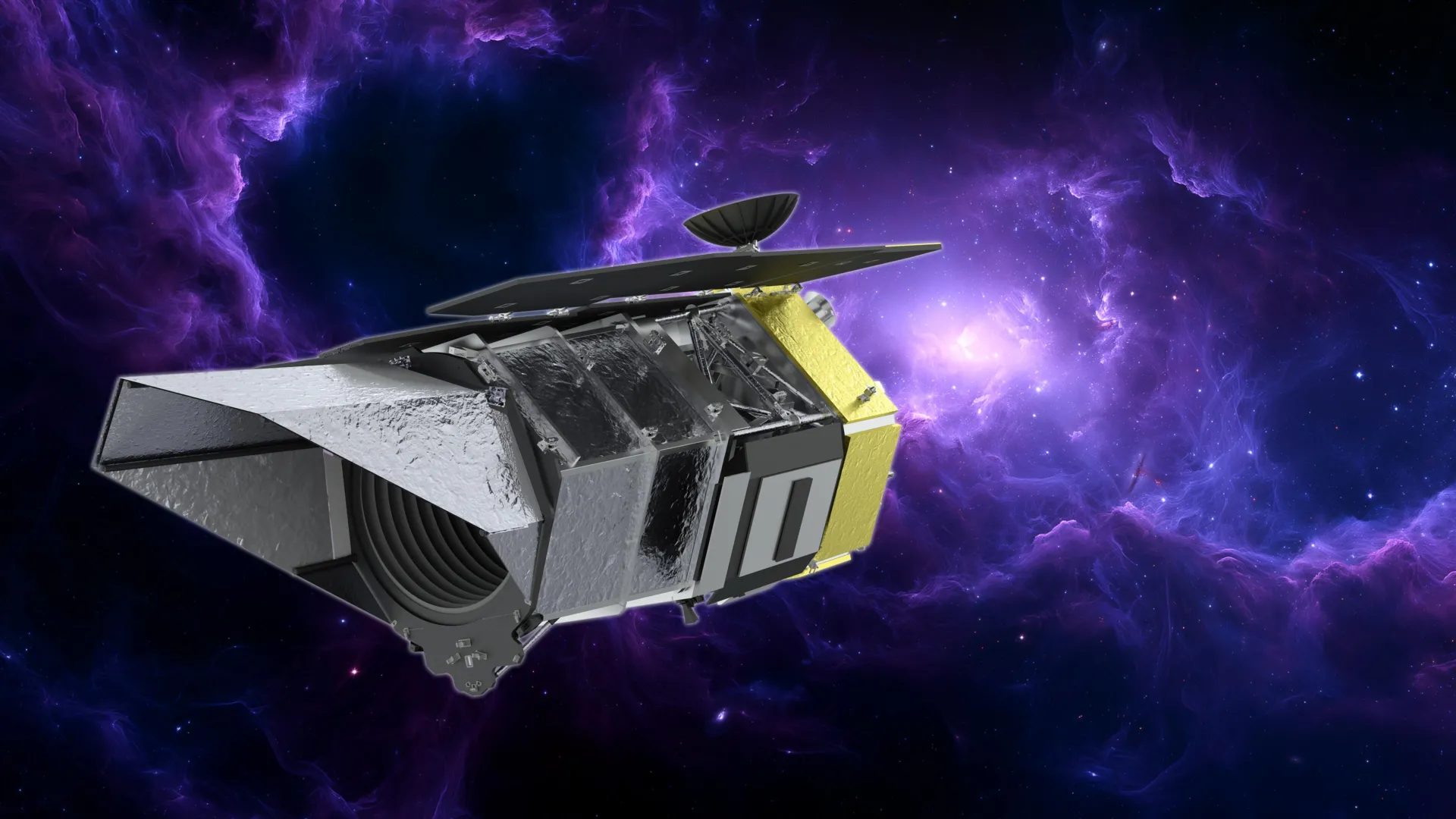
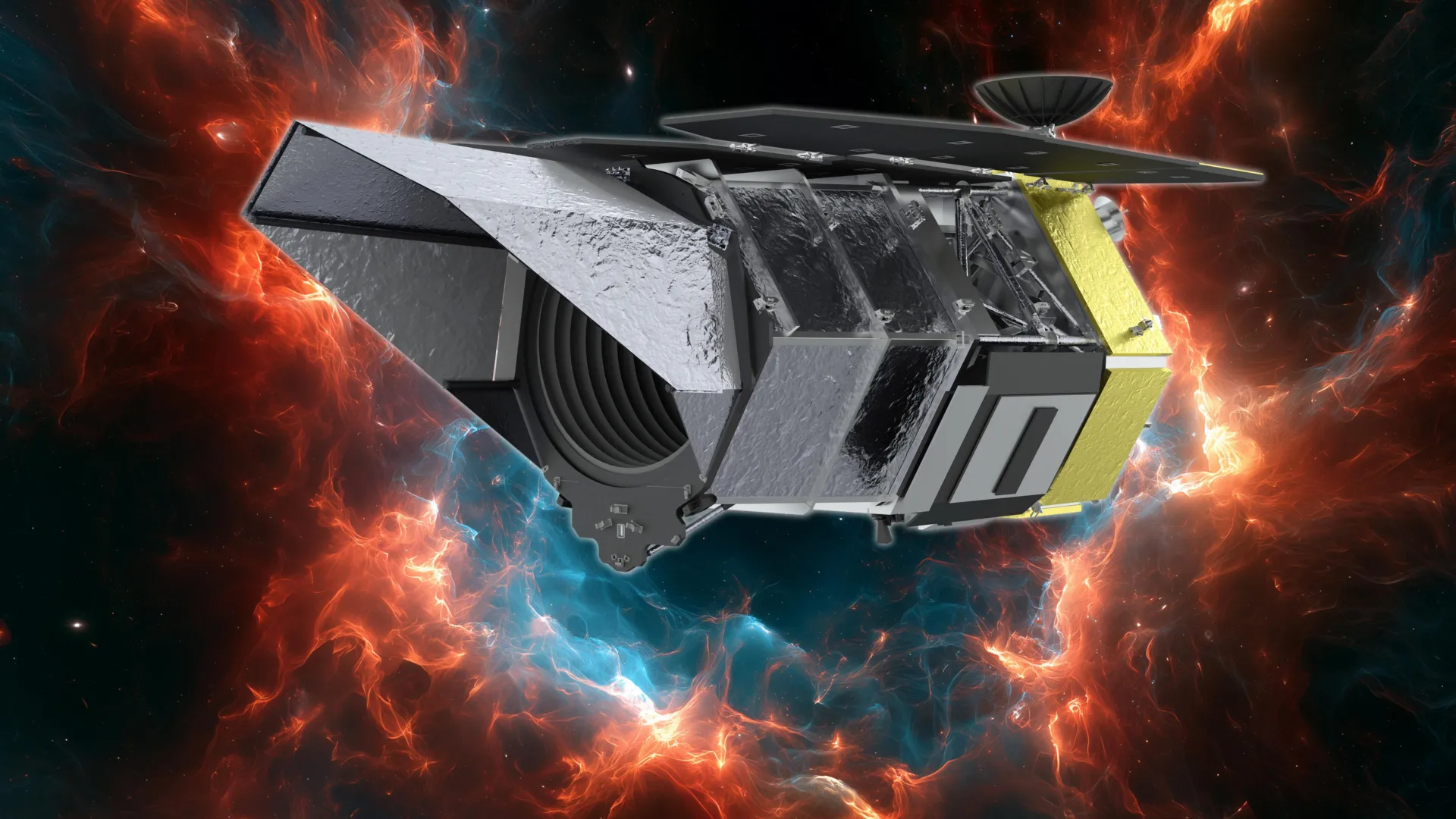
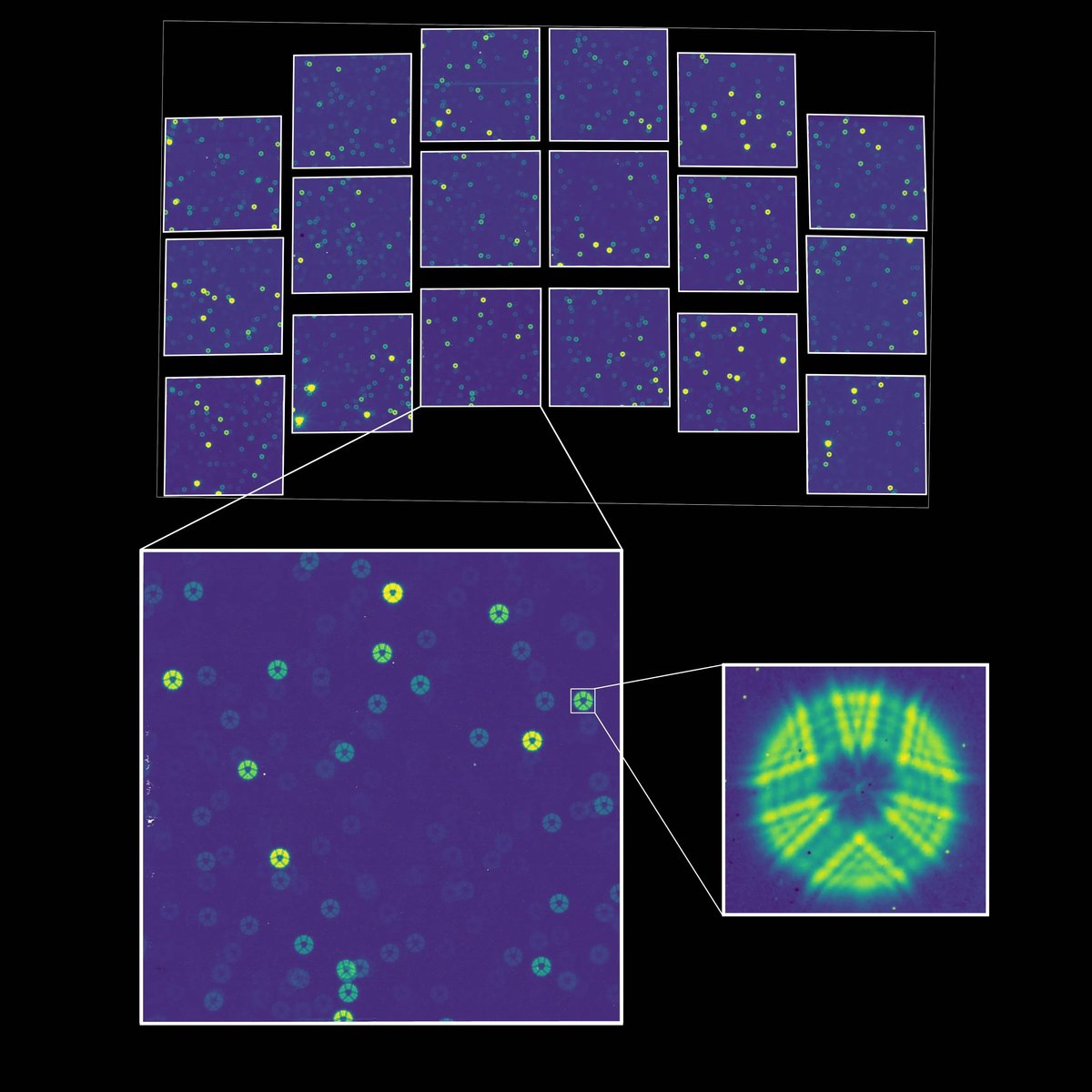
NASA’s Nancy Grace Roman Space Telescope has delivered optical performance roughly 30% better than required, according to engineers at Goddard Space Flight Center. The improvement follows a series of detailed tests and precision adjustments carried out after the Wide Field Instrument (WFI) was activated in September.
What happened
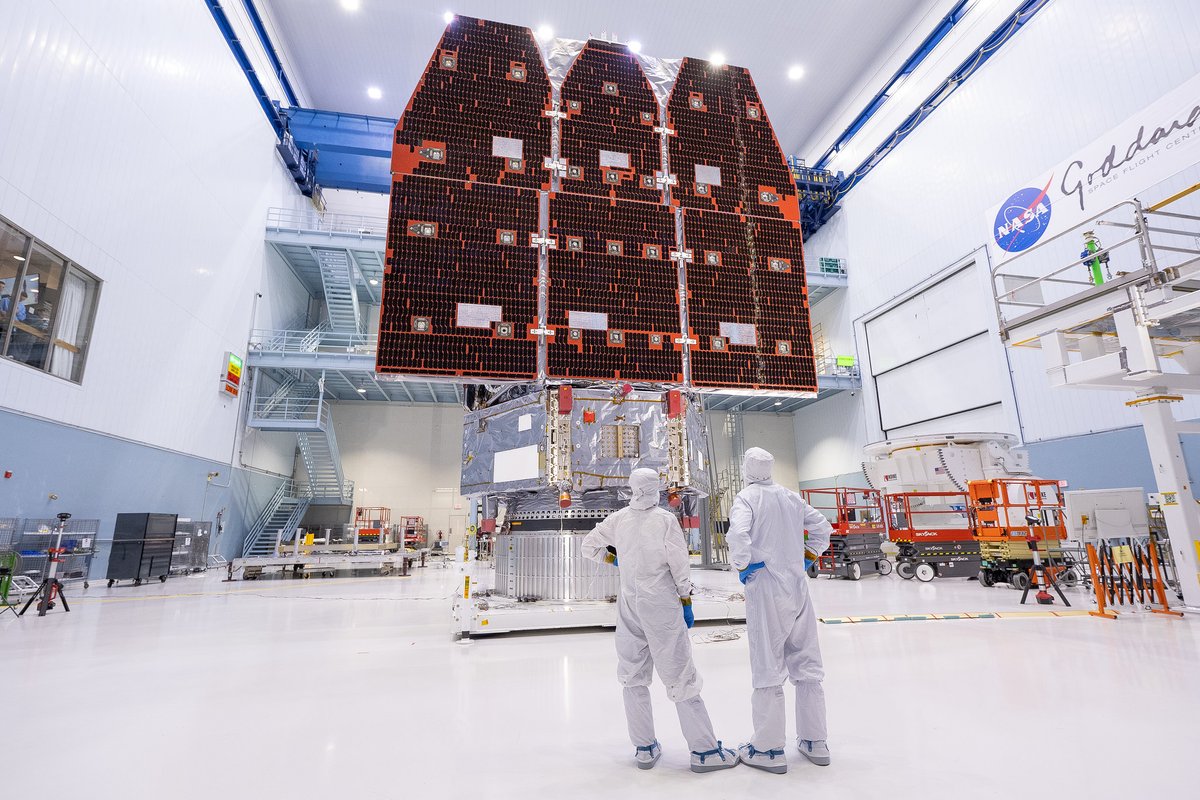
After activation, the team examined the instrument’s 18 detector chips, the element wheel that holds filters, and the internal calibration LEDs. They also moved the alignment mechanism from its launch‑unfocused position to the operational focus and verified the thermal control system’s ability to maintain required temperatures. These steps sharpened the telescope’s view and brought the WFI closer to regular scientific use.
What the reports add
Scitechdaily notes that the WFI now delivers optical performance nearly 30% better than pre‑launch predictions. The outlet highlights quotes from two NASA engineers: Dave Hickey, a WFI systems engineer, and Maxime Rizzo, also a WFI systems engineer, each describing the calibration process and its significance for the mission’s science goals.
What was said
"All of Roman’s sweeping surveys will rely on the Wide Field Instrument," Dave Hickey told Scitechdaily. "Many of the mission’s primary goals, like studying dark matter and dark energy, wouldn’t be possible without it, so it’s both exciting and a huge relief to see that it’s working well!"
Maxime Rizzo compared the calibration to musical tuning: "Calibrating an instrument is like tuning a piano or guitar before a concert. You adjust everything until it’s just how you want it and then leave the settings alone so it performs consistently while you use it."
How it came about
Earlier Felo coverage on 2026‑10‑17 reported that the WFI’s detectors, filters and alignment system had met performance targets after extensive testing. The current brief expands on that by describing the specific components examined and the quantitative improvement in image quality.
Key facts
- The Wide Field Instrument now delivers optical performance about 30% better than pre‑launch predictions. (scitechdaily.com)
- Engineers tested 18 detector chips, the element wheel, calibration LEDs, alignment mechanism and thermal control system. (scitechdaily.com)
- Dave Hickey and Maxime Rizzo, both WFI systems engineers at NASA Goddard, provided comments on the instrument’s performance. (scitechdaily.com)
Sources
- [1] scitechdaily.com — originally reported as “NASA’s Roman Space Telescope Is Sharper Than Anyone Expected”