Brief
NASA warns Amazon fire season could worsen as El Niño fuels cascade
NASA scientists say an El Niño-driven cascade of tropical wildfires is intensifying in the Amazon, with smoke plumes blanketing Manaus and fire season expected to lengthen.
By Felo News Desk · Published
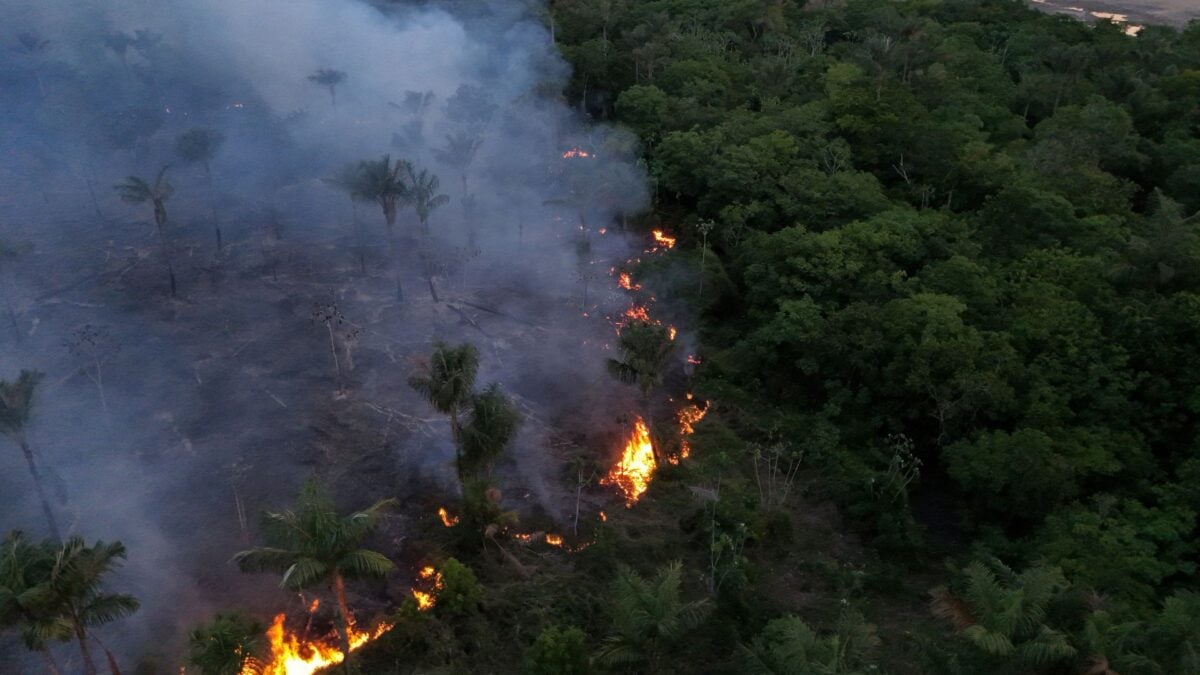
NASA scientists warned on Oct. 20, 2026 that a chain reaction of wildfires driven by the current El Niño could make the Amazon’s fire season longer and more destructive, as satellite data show a sharp rise in fires and smoke across the central and eastern basin.
What happened
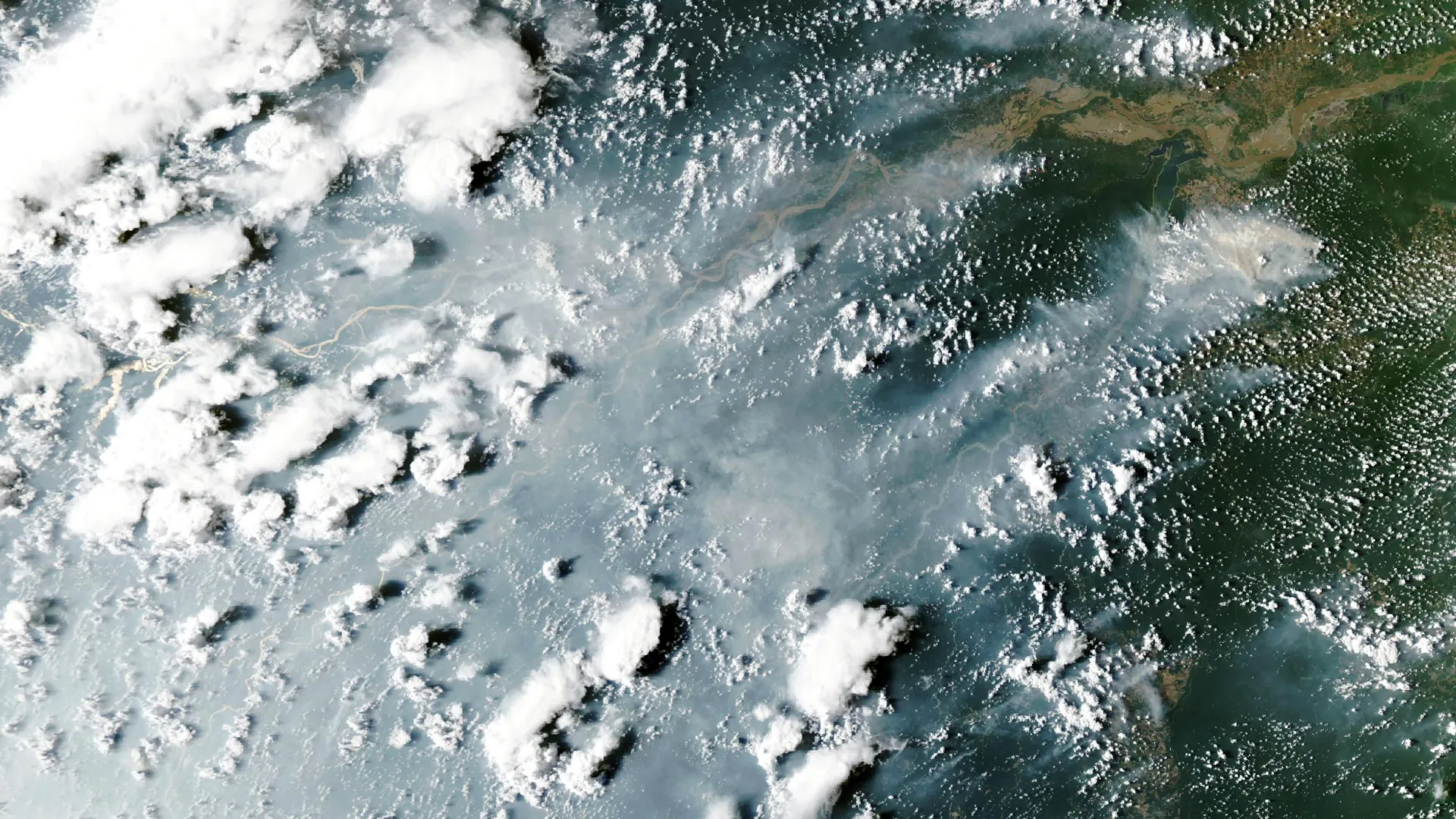
Since September 2026, NASA’s Fire Information for Resource Management System (FIRMS), the Global Fire Emissions Database (GFED) and NASA Worldview have recorded a dramatic increase in fire detections across the Amazon. On Oct. 12, the Aqua satellite’s MODIS instrument captured massive plumes of smoke rising from both sides of the Amazon River, blanketing the city of Manaus. The city reported fine particulate matter (PM2.5) concentrations above 135 µg/m³, placing air quality in the second‑worst regional category and prompting school closures and event cancellations.
What the reports add
Scitechdaily noted that the fires are part of an “El Niño‑driven cascade” that typically begins with peat fires in Indonesia before moving to the central and eastern Amazon. The outlet cited a 2017 study involving researchers from the University of California, Irvine; Vrije Universiteit Amsterdam; and the University of Maryland that linked these patterns. It also highlighted that the current El Niño is unusually strong, intensifying drought conditions that leave the rainforest more vulnerable to ignition.
What was said
Douglas Morton, an Earth system scientist at NASA’s Goddard Space Flight Center, told Scitechdaily that the Amazon fires “are part of a much larger pattern” and warned that “the worst may still be ahead” as hidden fires spread beneath the canopy.
How it came about
Earlier Felo coverage on Oct. 18 documented a surge in Amazon fires linked to El Niño drought, noting similar satellite observations and air‑quality alerts in Manaus. The current report expands on that by describing the cascade effect across the tropics and emphasizing the potential for an unusually long fire season.
Key facts
- NASA satellites recorded a sharp increase in Amazon fires starting in September 2026. (scitechdaily.com)
- On Oct. 12, 2026, MODIS on NASA's Aqua satellite captured large smoke plumes over the Amazon River. (scitechdaily.com)
- PM2.5 levels in Manaus exceeded 135 µg/m³, prompting health alerts and school closures. (scitechdaily.com)
- Douglas Morton described the fires as part of an El Niño‑driven cascade of tropical wildfires. (scitechdaily.com)
Sources
- [1] scitechdaily.com — originally reported as “The Amazon Is Burning Again, and NASA Warns the Worst Is Yet To Come”