Brief
NASA Roman Telescope’s Wide‑Field Instrument delivers 30% sharper images after extensive testing
Engineers at Goddard say the instrument’s detectors, filters and alignment system now meet performance targets ahead of full‑science operations.
By Felo News Desk · Published
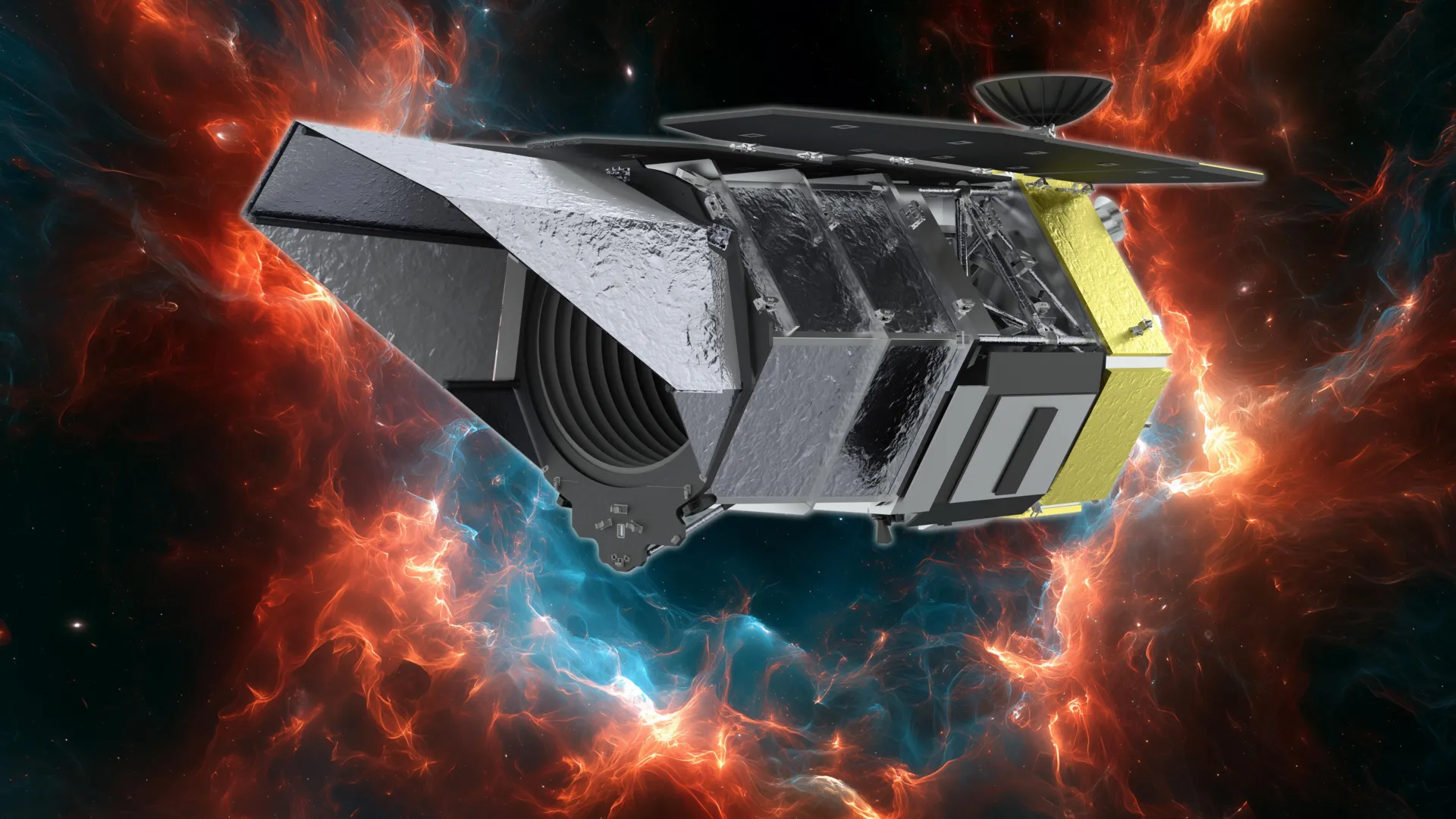
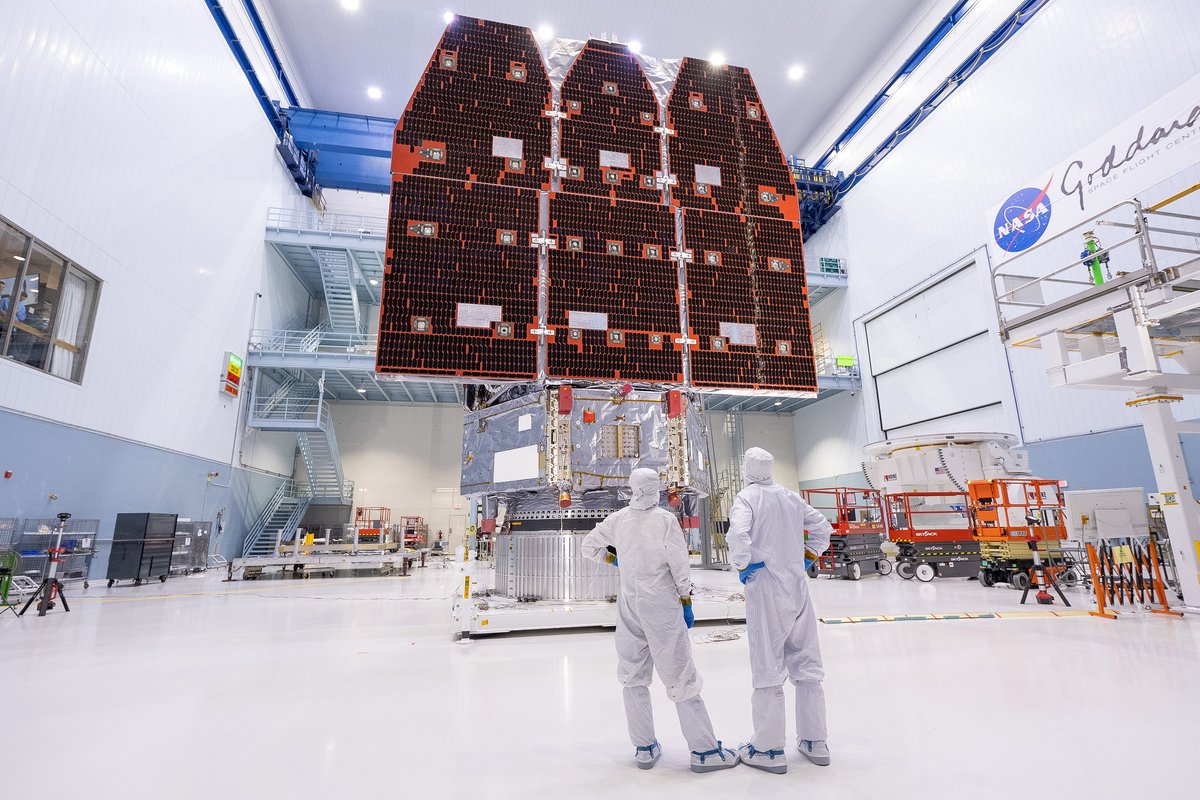
NASA’s Nancy Grace Roman Space Telescope has achieved image quality nearly 30% better than pre‑launch predictions, according to a ScienceDaily release on Oct. 17, 2026. The improvement follows a comprehensive testing campaign of the Wide Field Instrument (WFI) that began after its activation in September.
What happened
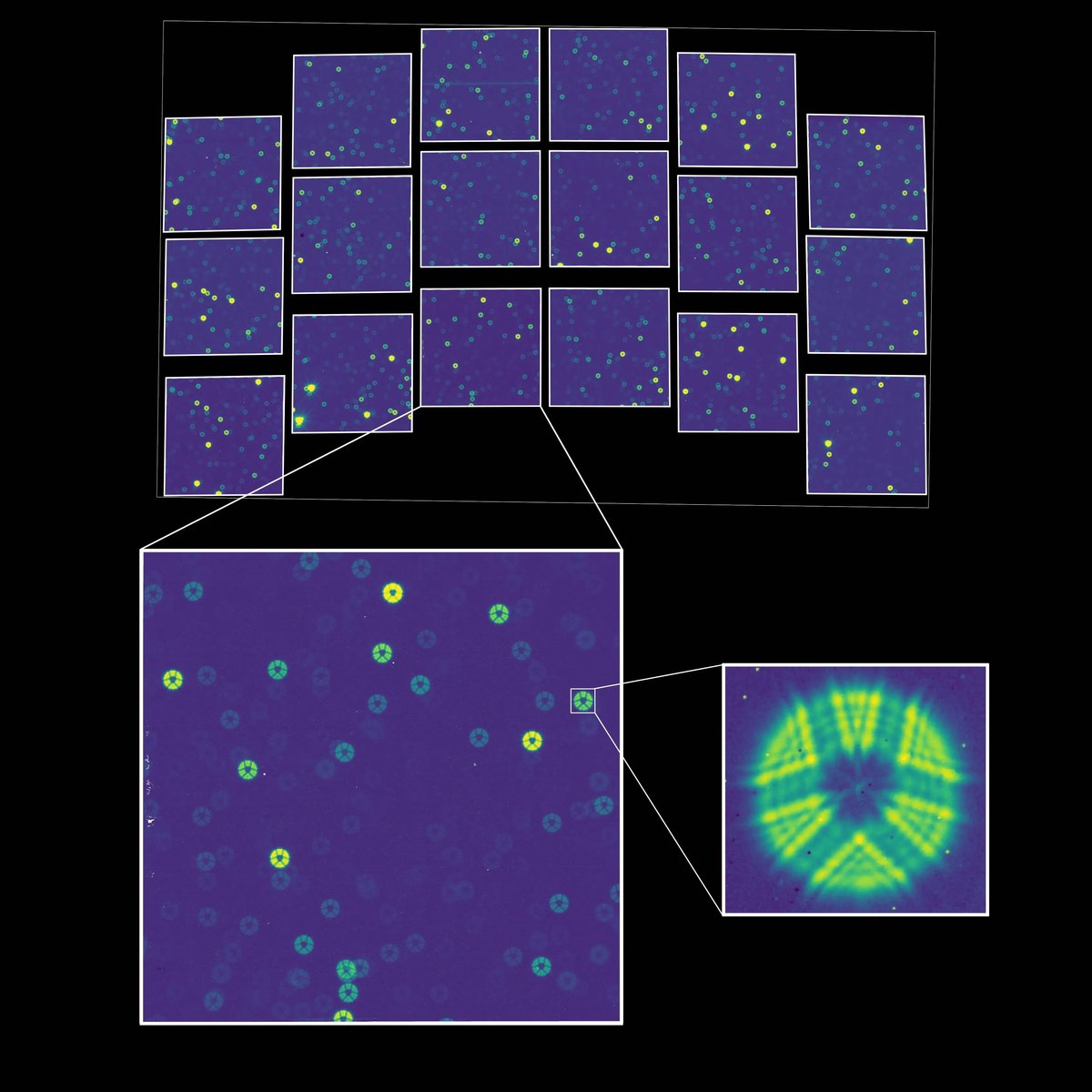
After the WFI was switched on in September, engineers at NASA’s Goddard Space Flight Center conducted a step‑by‑step validation of each component. They first examined the 18 detector chips, each about the size of a sticky note, and the associated read‑out electronics. The team then exercised the element wheel, a rotating filter mechanism that selects specific wavelengths for the detectors. Subsequent tests activated the internal calibration LEDs, allowing engineers to measure detector response and adjust sensitivity. Finally, the alignment mechanism was moved from its launch‑unfocused position to the operational focus, and the thermal control system was verified to keep components at required temperatures.
What the reports add
The ScienceDaily article notes that the combined effort resulted in the WFI delivering image quality “nearly 30% better than predicted.” It also highlights that the calibration process is likened to “tuning a piano or guitar before a concert,” a quote from systems engineer Maxime Rizzo. The report does not mention any remaining issues, implying the instrument is ready for its planned surveys of dark matter, dark energy and other cosmological phenomena.
What was said
Dave Hickey, a Wide Field Instrument systems engineer at Goddard, told ScienceDaily, “All of Roman’s sweeping surveys will rely on the Wide Field Instrument… it’s both exciting and a huge relief to see that it’s working well!” Maxime Rizzo added, “Calibrating an instrument is like tuning a piano or guitar before a concert. You adjust everything until it’s just how you want it and then leave the set‑up.”
How it came about
The successful calibration follows earlier milestones reported by Felo News, including the telescope’s first‑light capture on Sept. 11, 2026 (Roman Space Telescope first light) and a week‑long stability test that demonstrated sub‑arcsecond pointing from Sept. 15‑21 (Stability tests). Together, these steps move the mission toward full science operations slated for early 2027.
Key facts
- The Wide Field Instrument now delivers image quality about 30% better than pre‑launch predictions. (sciencedaily.com)
- Engineers tested 18 detector chips, the element wheel, calibration LEDs, alignment mechanism and thermal control system. (sciencedaily.com)
- Dave Hickey, a WFI systems engineer at NASA Goddard, said the instrument’s performance is a huge relief. (sciencedaily.com)
- Maxime Rizzo compared the calibration process to tuning a musical instrument. (sciencedaily.com)
Timeline
- 2026-09-01 — Wide Field Instrument activation
- 2026-09-15 — Stability testing of fine‑guidance system
- 2026-10-17 — NASA reports 30% image quality improvement
Sources
- [1] sciencedaily.com — originally reported as “NASA’s Roman Space Telescope exceeds expectations by nearly 30%”