NASA chief warns of lunar meteor risk as plans for 2032 Moon base progress
The agency will consider hazardous meteoroid activity while preparing for a permanent outpost slated for 2032.
By Felo News Desk · Published
NASA administrator Jared Isaacman told reporters that meteor strikes on the Moon are a key safety concern for the agency’s goal of establishing a permanent base by 2032.
What happened
In October 2024 a comet or asteroid roughly the size of a six‑storey building struck the lunar surface, creating a crater about 728 feet wide and 141 feet deep. NASA researchers later identified the impact as the McGetchin crater, a 730‑foot wide feature described as a “once‑in‑a‑century” event that occurs roughly every 132 years on the Moon.
What the reports add
- The Standard noted that meteoroids were observed flashing on the far side of the Moon during the Artemis II mission earlier this year, providing “additional data” for hazard assessments.
- The Independent repeated the Artemis II observation and added that the flashes were seen as small space rocks slammed into the surface at high speed without an atmosphere to burn them up.
- Both outlets reported Isaacman’s comment that NASA is “giving a lot of thought” to meteor strikes and that the agency is not locking in habitation‑module designs yet, opting for an iterative, “science of survival” approach.
- Isaacman highlighted a fleet of lunar rovers that will be used to scout and map the surface, informing outpost development.
- He also praised the progress of Blue Origin’s lunar‑terrain vehicle program, despite a recent dramatic rocket explosion on the launchpad.
What was said
“Fortunately, that’s a once‑in‑a‑century type of an event, so we’re fortunate in that regard.”
“But there are much smaller meteor strikes that will happen on the lunar surface with greater frequency.”
“We got some additional data from that from the great crew of Artemis II and some of the observations they relayed back during their mission.”
“So, we are giving a lot of thought to that for the Moon base.”
“We’re going to learn and we’re going to gradually scale up capabilities because I guarantee you we’re going to need surface improvement.”
“It’s why we’re not locking in the design for habitation modules today… because yes, there are going to be environmental factors we’re going to need to consider that could be hazardous and be able to address them.”
How it came about
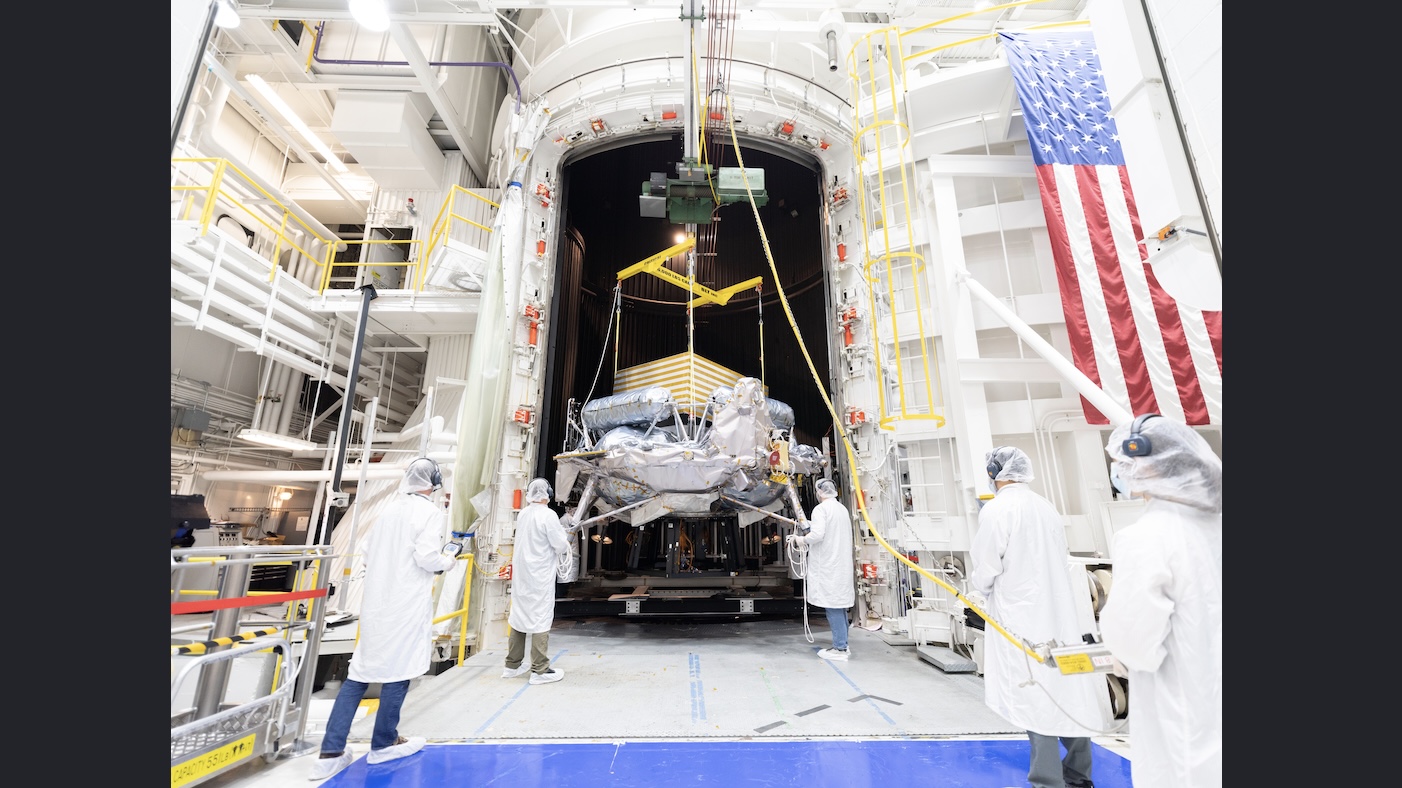
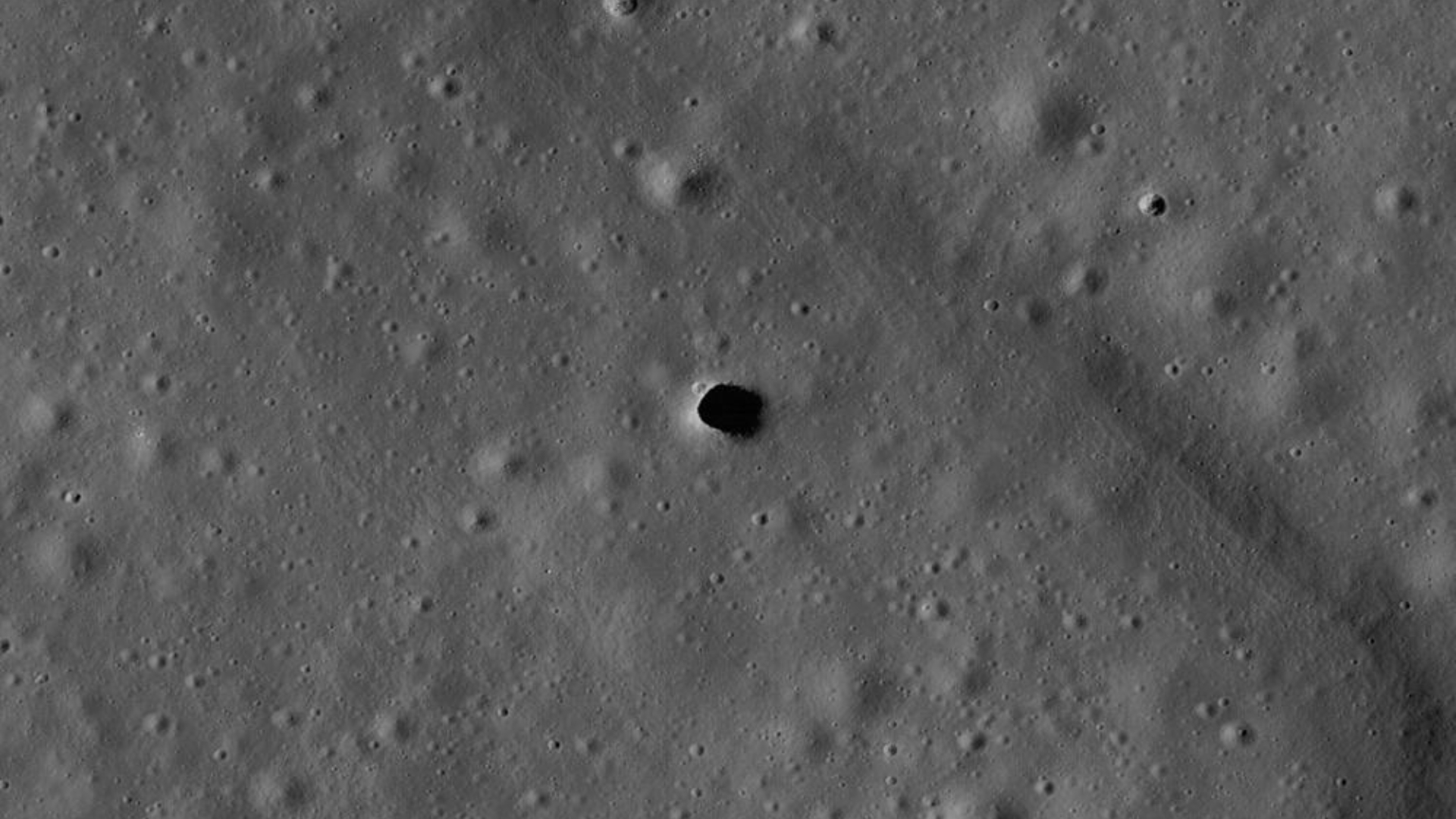
Isaacman made the remarks during a briefing at the Kennedy Space Center in Florida, responding to questions about the newly discovered 2024 impact and its implications for NASA’s lunar‑base timeline, which includes a crewed landing in 2028 and a fully operational habitat by 2032. The agency’s broader preparation efforts have been highlighted in recent Felo coverage: a video update on lunar rover progress and the VIPER mission (October 20), the selection of the GIMLI mission to probe a possible lava‑tube cave in the Marius Hills Pit (October 8), and the completion of environmental tests for the Griffin‑1 lunar lander (October 13). The 2024 impact adds a new variable to habitat design, prompting Isaacman’s emphasis on iterative planning and surface‑hazard mitigation.
Key facts
- A comet or asteroid struck the Moon in 2024, forming a 728‑foot wide, 141‑foot deep crater. (standard.co.uk)
- NASA aims to land astronauts in 2028 and operate a Moon base by 2032. (standard.co.uk)
- NASA administrator Jared Isaacman said meteor hazards must be considered for the base. (standard.co.uk)
Timeline
- 2024-04-15 — Comet/asteroid impact creates McGetchin crater on lunar surface.
- 2025-12-01 — Artemis II mission observes meteoroid flashes on far side of Moon.
- 2026-10-20 — NASA releases video on lunar rover progress for Moon base.
- 2026-10-23 — NASA chief Jared Isaacman discusses meteor risk for Moon base.
Why it matters
Understanding meteoroid hazards is essential for designing safe habitats and operational procedures for a permanent lunar presence.
What happens next
NASA will incorporate impact‑risk assessments into the design of lunar habitats and surface infrastructure as the 2032 base timeline advances.
Sources
- [1] standard.co.uk
- [2] independent.co.uk