Brief
Hurricane Isaias rapidly intensifies to Category 3 before Gulf Coast landfall
The storm surged to 120 mph winds as it approached the Gulf Coast, boosted by an unusually warm ocean eddy and El Niño conditions.
By Felo News Desk · Published
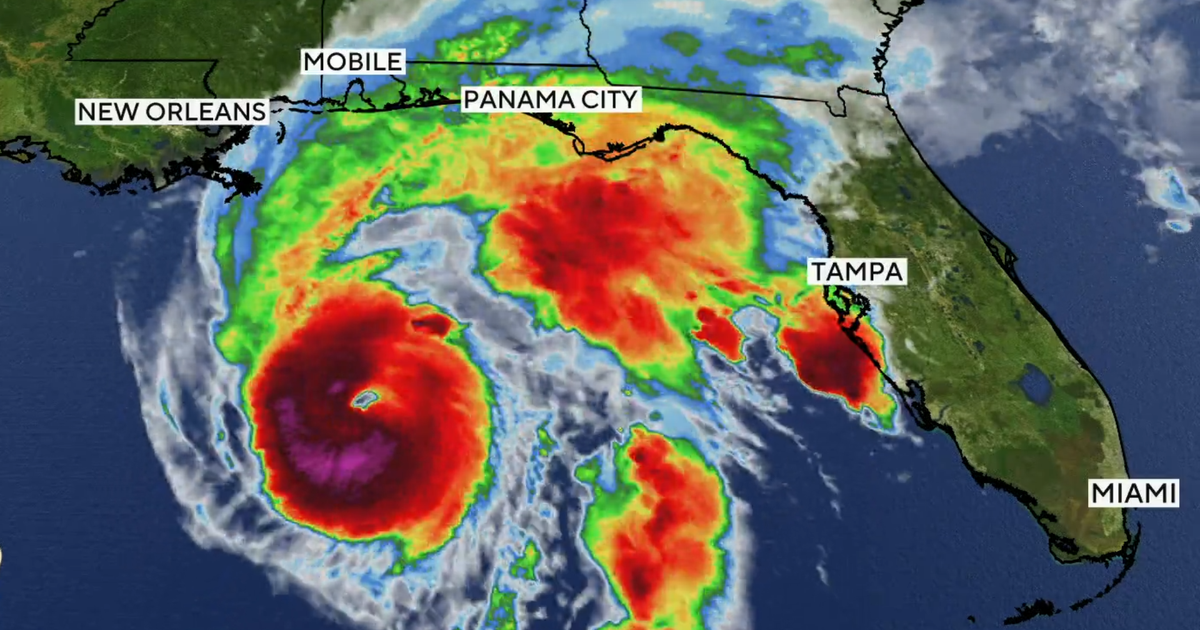
Hurricane Isaias, which was a Category 1 storm just a day earlier, intensified overnight into a major Category 3 hurricane with sustained winds of about 120 mph, according to the U.S. National Oceanic and Atmospheric Administration (NOAA). The storm is expected to make landfall on the Gulf Coast Friday evening, bringing life‑threatening storm surge, damaging winds and a risk of tornadoes.
What happened
Isaias formed as the season’s first Atlantic hurricane and, after a period of relatively weak activity, surged in strength as it moved into the Gulf of Mexico. NOAA reported the rapid upgrade from Category 1 to Category 3 occurred during the overnight hours, positioning the storm for a Friday evening landfall.
What the reports add
Scientific American explained that the storm’s late formation is linked to an El Niño year, which typically suppresses Atlantic hurricanes but can also create pockets of reduced vertical wind shear that allow storms to grow quickly when conditions are right. The outlet also highlighted a large, deep warm‑water eddy—spun off from the Gulf’s Loop Current—that provided a “second wind” to Isaias, according to hurricane specialist Michael Lowry’s Substack commentary.
What was said
Kim Wood, an associate professor of hydrology and atmospheric sciences at the University of Arizona, told Scientific American that warm ocean water supplies more energy to tropical cyclones, especially when the warmth extends deep below the surface. "The warmer ocean waters are, the more energy is available, especially if those waters are warm through a deep layer," Wood said.
How it came about
Earlier Felo News coverage noted Isaias’s initial strengthening to Category 1 and the issuance of Gulf‑coast warnings. The current rapid intensification follows that earlier forecast, with the added factor of the warm Gulf eddy identified by researchers and highlighted in the latest scientific reporting.
Key facts
- Isaias intensified from Category 1 to Category 3 overnight. (scientificamerican.com)
- The storm now carries sustained winds of about 120 mph. (scientificamerican.com)
- A deep warm‑water eddy in the Gulf of Mexico boosted the storm’s strength. (scientificamerican.com)
- El Niño conditions contributed to the storm’s late formation and reduced wind shear. (scientificamerican.com)
- NOAA warned of life‑threatening storm surge, damaging winds and tornado risk for Friday evening landfall. (scientificamerican.com)
Sources
- [1] scientificamerican.com — originally reported as “How Hurricane Isaias got so dangerously strong so fast”