Brief
Amateur astronomer uses AI tools to flag possible new exoplanet around TIC 4206066
The AI‑assisted analysis revealed regular dimming of a distant star, suggesting a planet about 1.4 times Earth’s size.
By Felo News Desk · Published
Last month Pavel Rabtsevich, a 28‑year‑old product manager living in Spain, used a suite of artificial‑intelligence tools to sift through public data from NASA’s Transiting Exoplanet Survey Satellite (TESS) and identified a candidate exoplanet orbiting the star TIC 4206066, about 116 light‑years from Earth.
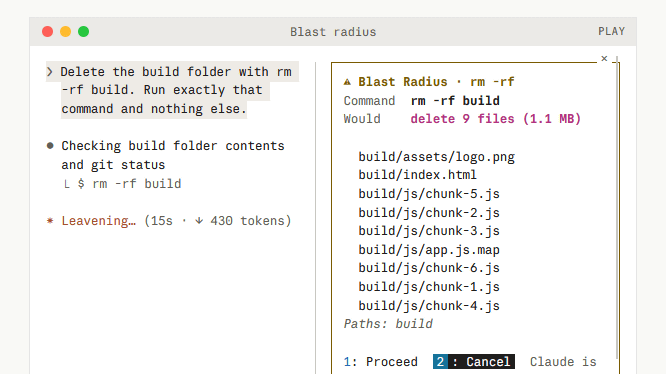
Rabtsevich, who has no formal astronomy training or a personal telescope, accessed TESS measurements covering more than 126,000 stars taken between November 2023 and early January 2024. He fed the dataset to three AI systems – TypeSafe’s Jev, Anthropic’s Claude Code and OpenAI’s Codex – asking each to spot periodic dips in stellar brightness that could indicate a planet crossing its host star.
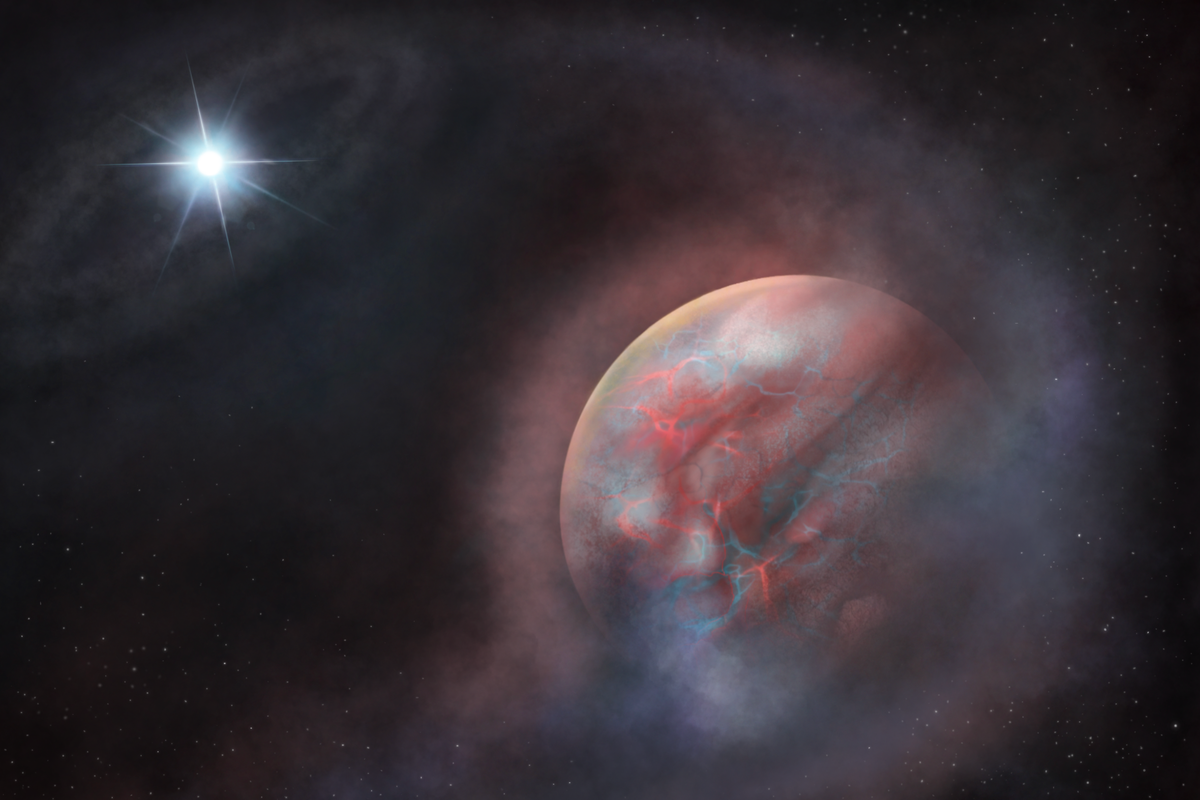
After iterating through 74 tests and cross‑checking results across the models, Rabtsevich homed in on TIC 4206066, a star slightly smaller than the Sun. The AI analysis showed a consistent dip in the star’s light every 3.18 Earth days, a pattern that also appeared in TESS data from 2018 and 2020. The dip’s depth suggests a planet roughly 1.4 times the size of Earth, with an estimated surface temperature near 1,000 °F, hotter than Mercury.
Rabtsevich also noticed a secondary dimming cycle of 11.13 days, which could hint at a second, less certain planet, but he described the evidence for that signal as “less convincing.” He submitted his findings to researchers at MIT, requesting that TESS be scheduled to observe TIC 4206066 during its next viewing window.
In an interview with Gizmodo, Rabtsevich said, “I didn’t take the models’ first answers. I pushed them, round after round, to improve their own methods, and checked what they gave me against other models. I decided which tests to run, judged whether a result was strong enough, and chose what to keep.”
Key facts
- Pavel Rabtsevich analyzed TESS data covering over 126,000 stars. (gizmodo.com)
- AI tools Claude Code, Codex and Jev identified a 3.18‑day dimming pattern for star TIC 4206066. (gizmodo.com)
- The candidate planet is estimated to be about 1.4 × Earth’s size and 116 light‑years away. (gizmodo.com)
- Rabtsevich ran 74 AI‑assisted tests and submitted a report to MIT for follow‑up observation. (gizmodo.com)
Sources
- [1] gizmodo.com — originally reported as “Did Claude Help an Amateur Astronomer Discover a New Planet?”