Brief
Astronomers spot first ‘second‑generation’ planet orbiting a white dwarf
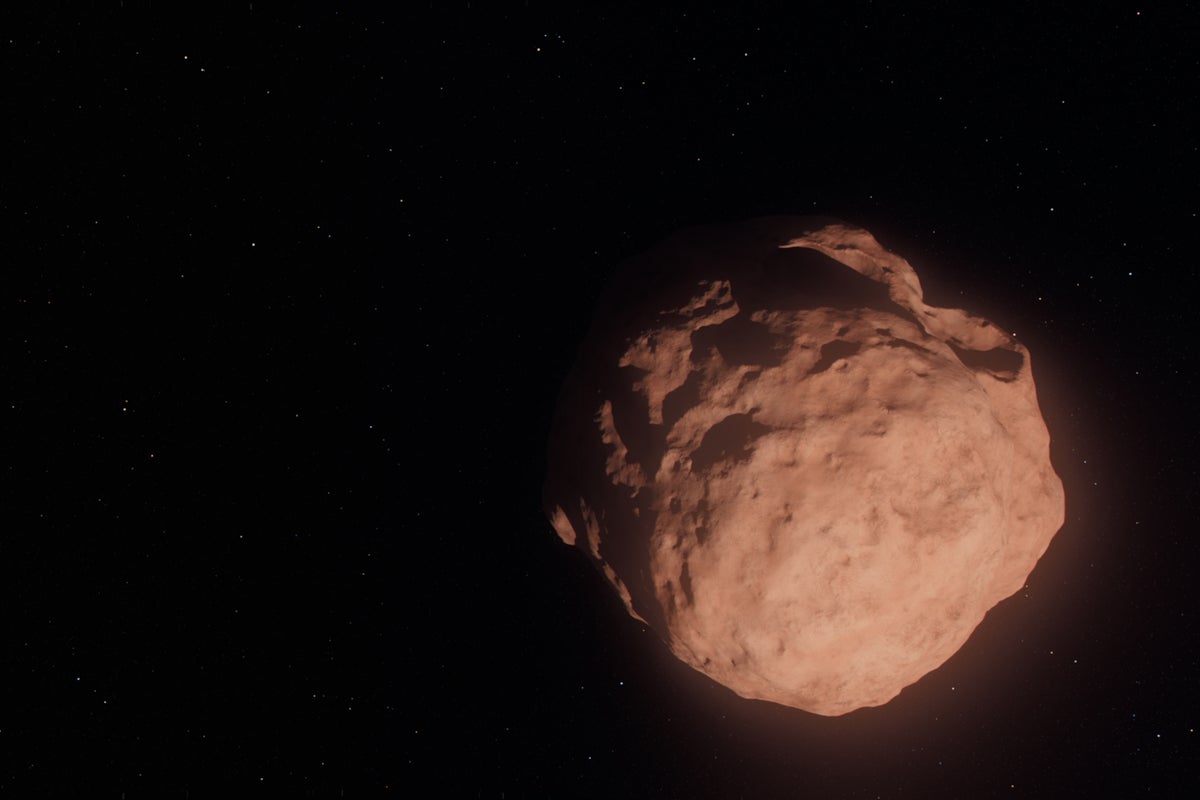
The planet, dubbed a “phoenix” world, may reveal new ways to find similar reborn planets.
By Felo News Desk · Published
Scientists say they have identified the first planet formed from the remnants of a dying star that now orbits a white dwarf, according to the Independent.
What happened
The team examined white dwarf HS 0209+0832 and detected an unusual chemical signature rich in niobium, a material produced as a star dies. Data from NASA’s TESS telescope showed a faint, repeating signal every 4.4 days, consistent with a Jupiter‑sized planet in a close orbit.
What the reports add
The Independent notes that while “reborn” worlds have been observed around pulsars, this is the first such detection around a white dwarf, a more common stellar remnant. The niobium signature, not previously seen in white dwarfs, suggests the star is accreting material from the planet’s evaporating atmosphere.
What was said
"Second‑generation planets are worlds that form out of the material a star casts off as it dies," Jamie Williams, a PhD student at the University of Warwick who led the research, told the Independent.
How it came about
The discovery builds on earlier work that used chemical fingerprints to infer planetary debris around white dwarfs. By combining spectroscopic analysis with TESS photometry, the researchers propose a new method for locating similar planets by searching for comparable chemical signatures in other dead stars.
Key facts
- The planet orbits white dwarf HS 0209+0832 and shows a 4.4‑day orbital period. (independent.co.uk)
- Spectra reveal a high niobium content, a novel signature for white dwarfs. (independent.co.uk)
- The planet is estimated to be roughly Jupiter‑sized. (independent.co.uk)
- Jamie Williams of the University of Warwick led the study. (independent.co.uk)
Sources
- [1] independent.co.uk — originally reported as “Scientists discover unique ‘phoenix’ planet that was born from a dying star”