Brief
Researchers Identify 4.33‑Billion‑Year Window When Earth Became Habitable for RNA
A computer model shows that after 4.4 billion years of intense impacts, Earth’s crust cooled enough to support the fragile molecules that could seed life.
By Felo News Desk · Published
Using a three‑dimensional simulation of Earth’s first 1 billion years, researchers from the Planetary Science Institute have pinpointed a period around 4.33 billion years ago when the planet’s crust cooled enough to allow RNA and other prebiotic molecules to survive.
The model, published in Nature Communications, tracks how asteroid and comet impacts heated the upper 140 km of the crust between 4.5 and 3.5 billion years ago. It shows that global sterilisation events persisted until roughly 4.4 billion years ago, after which impact‑related heating became less widespread.
Impact heating as a double‑edged sword
While intense bombardment could sterilise shallow crustal layers, the same impacts may have created hydrothermal systems—hot, fractured rock fed by water—that could foster the chemistry preceding life. The study compared simulated crustal temperatures with the stability limits of RNA, finding that temperatures below 110 °C began to persist after about 4.4 billion years ago.
Methodological advance
Senior scientist Oleg Abramov explained that the team used a different approach from earlier studies, which relied on geochemical modelling and atmospheric chemistry. “We used a different approach than previous studies, which were based on geochemical modeling, biomolecular analyses, and models of early atmospheric chemistry,” Abramov said.
Implications for the origin of life
By identifying a window when the Earth’s surface was warm enough to support hydrothermal activity yet cool enough to preserve RNA, the research offers a plausible “sweet spot” for the earliest chemistry that could lead to life. The findings suggest that the planet’s violent early history may have both hindered and helped the emergence of life.
Key facts
- The model shows global sterilisation events continued until about 4.4 billion years ago (scitechdaily.com)
- Temperatures below 110 °C in the upper crust began to persist after ~4.4 billion years ago (scitechdaily.com)
- Impact heating could create hydrothermal systems that support prebiotic chemistry (scitechdaily.com)
Background
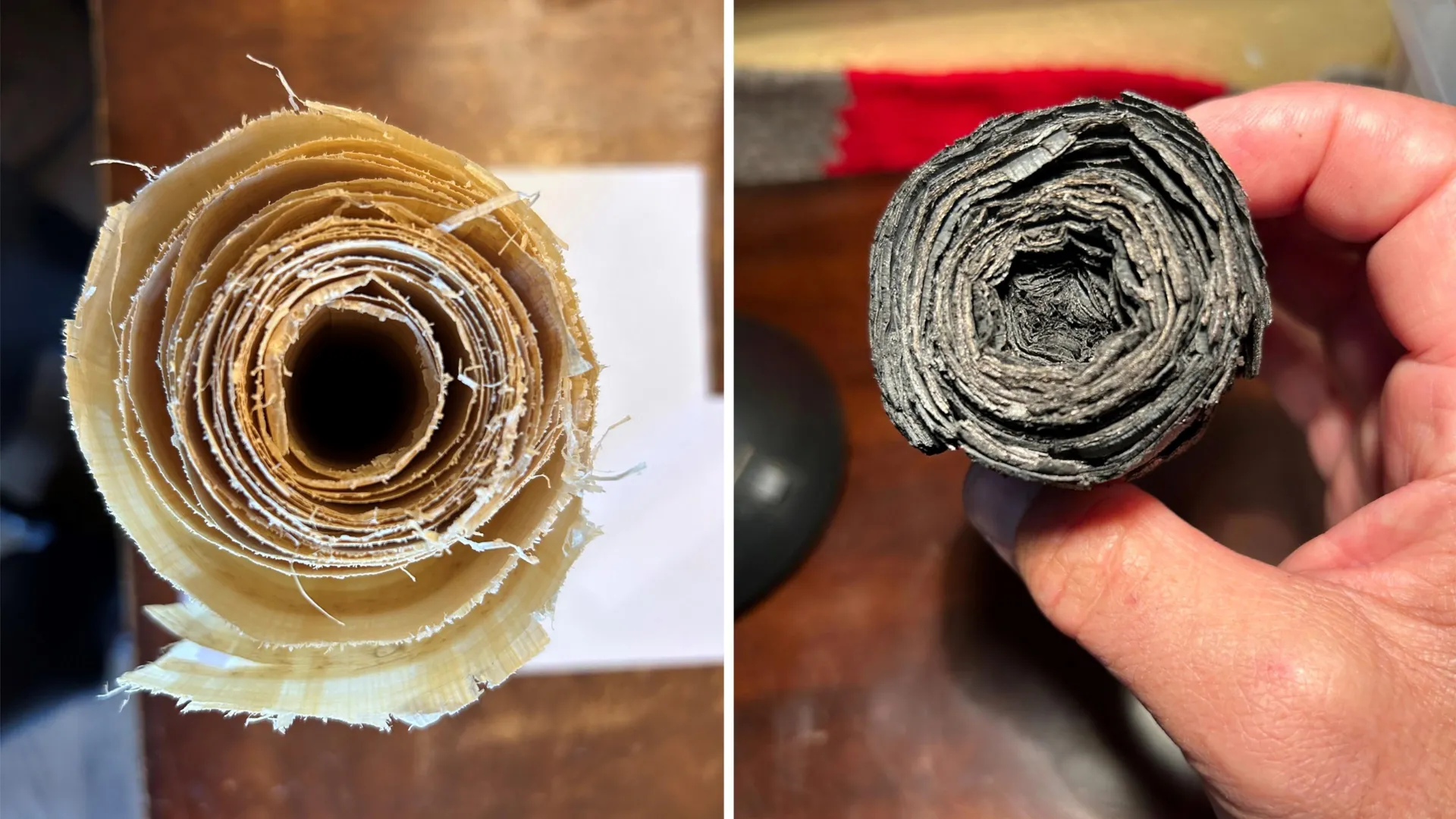
Earlier Felo coverage has explored ancient environments, such as the use of lead in ink to reveal Vesuvius‑burned scrolls, and the discovery of a new gentoo penguin species, highlighting how scientific advances can unlock hidden histories.
Why it matters
Identifying a period when Earth’s surface could support RNA informs theories about how life began on our planet.
What happens next
The researchers plan to refine their model with higher‑resolution impact data and explore the stability of other biomolecules.
Sources
- [1] scitechdaily.com — originally reported as “Scientists Pinpoint a Possible “Sweet Spot” for Life’s Origins 4. 33 Billion Years Ago”