Brief
Orionid meteor shower peaks Oct. 21‑22 with 10‑20 meteors per hour
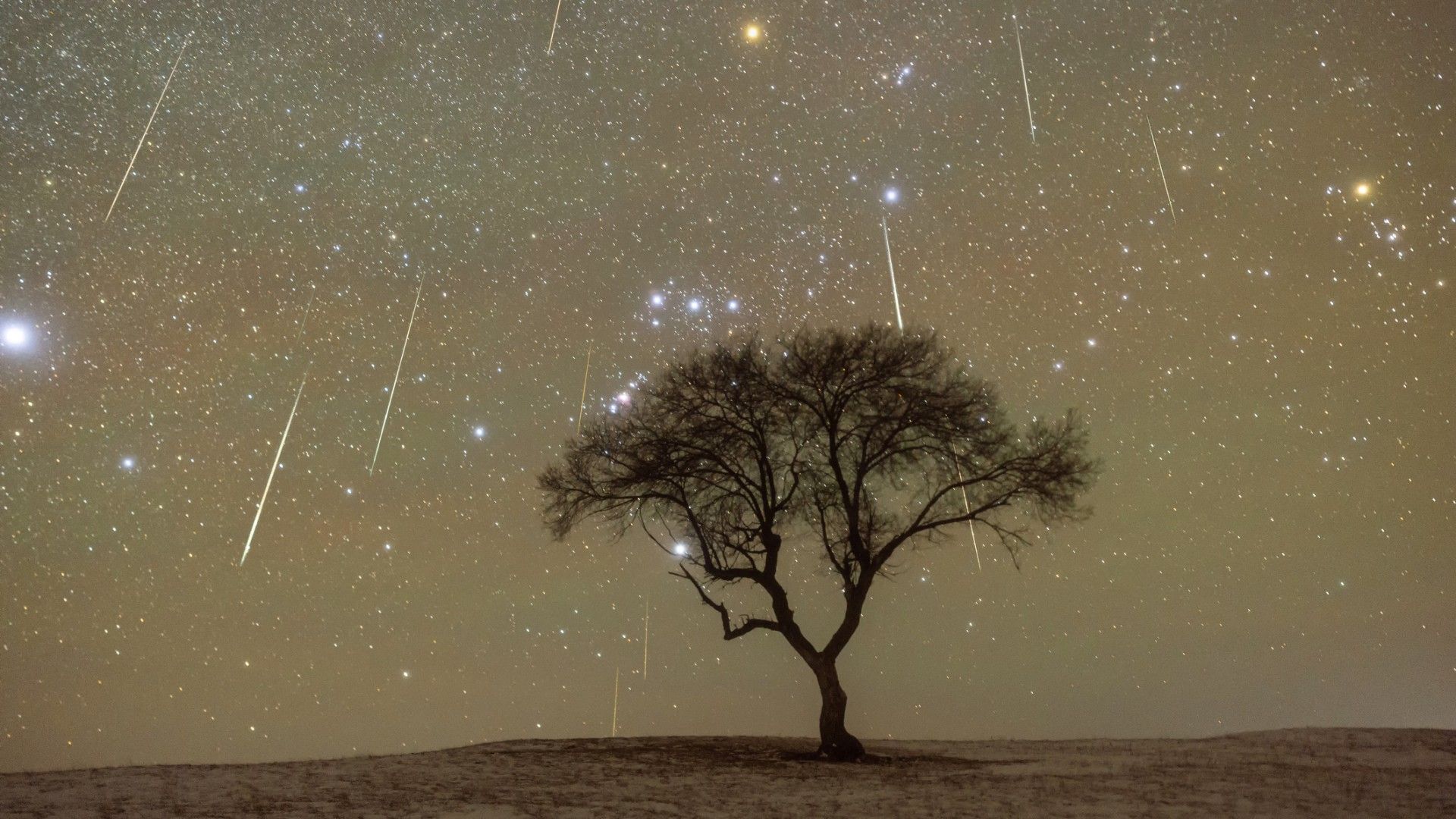
Peak viewing runs from midnight to dawn on Oct. 22, with the radiant near Betelgeuse and a bright moon fading later in the night.
By Felo News Desk · Published
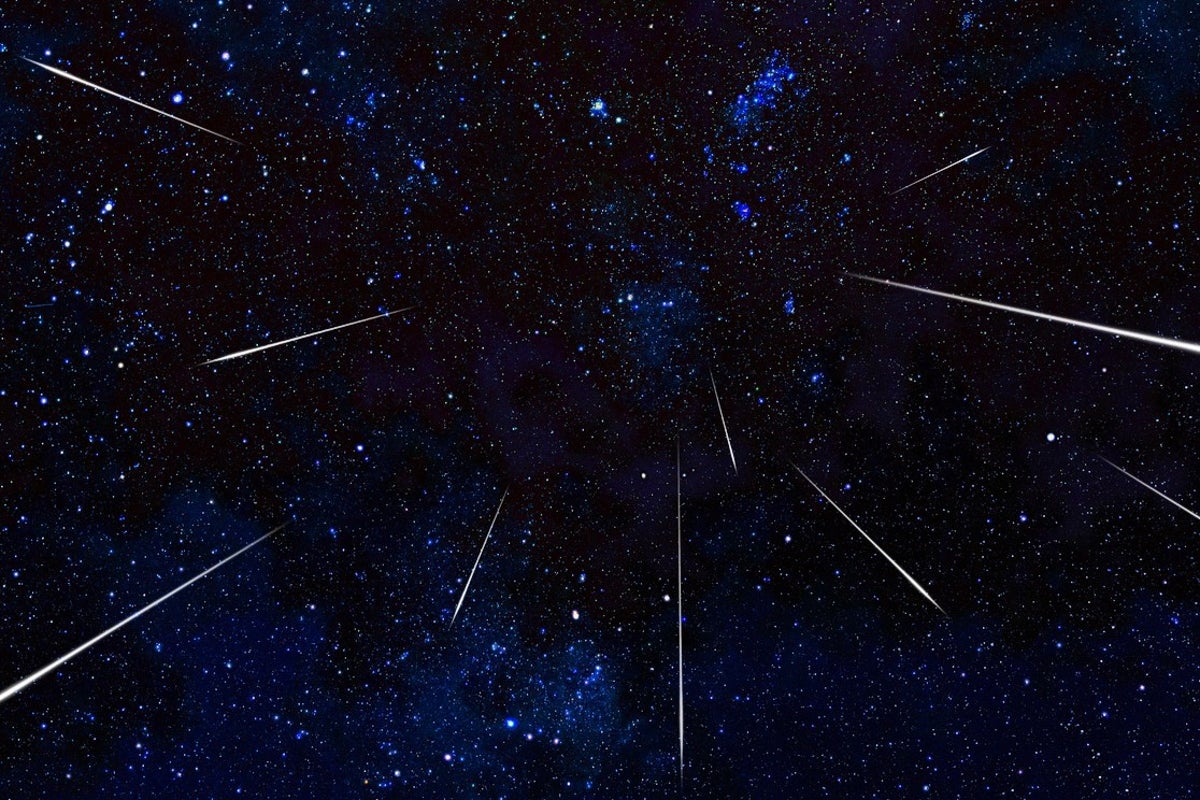
The Orionid meteor shower will peak overnight on Oct. 21‑22, with 10‑20 shooting stars per hour expected between midnight and dawn on Oct. 22, according to Space.com.
What happened
Earth will pass through the densest part of the debris trail left by Comet 1P/Halley, producing the annual Orionid display. The shower’s radiant lies near the red giant Betelgeuse in Orion, appearing above the southeastern horizon for U.S. observers in the early hours of Oct. 22.
What the reports add
Space.com notes that a 74%‑lit waxing gibbous moon will obscure fainter meteors for much of the night, but the moon sets a few hours after midnight, opening a dark‑sky window before dawn. The outlet advises looking 40‑90 degrees away from the radiant and allowing 20‑30 minutes for eye adaptation.
What was said
Space.com explains that particles travel at about 147,600 mph (237,539 km/h) and vaporise in the atmosphere, creating bright streaks.
How it came about
Halley's Comet last visited the inner solar system in 1986, leaving the debris stream that fuels the Orionids. For more on this year’s peak, see our earlier coverage here.
Key facts
- The Orionid meteor shower peaks overnight on Oct. 21‑22, 2026. (space.com)
- 10‑20 meteors per hour can be seen between midnight and dawn on Oct. 22 under ideal dark‑sky conditions. (space.com)
- A 74%‑lit waxing gibbous moon will hide fainter meteors until it sets a few hours after midnight. (space.com)
- The radiant is near Betelgeuse in Orion, visible above the southeastern horizon for U.S. observers. (space.com)
- Meteor particles travel at about 147,600 mph (237,539 km/h) as they enter Earth’s atmosphere. (space.com)
Sources
- [1] space.com — originally reported as “The Orionid meteor shower peaks next week! Here's what to expect”