Japan to launch world‑first mission to return samples from Martian moon Phobos
The MMX spacecraft, managed by Yasuhiro Kawakatsu, will lift off on a new H‑3 rocket, with NASA and other agencies providing equipment and communications support.
By Felo News Desk · Published
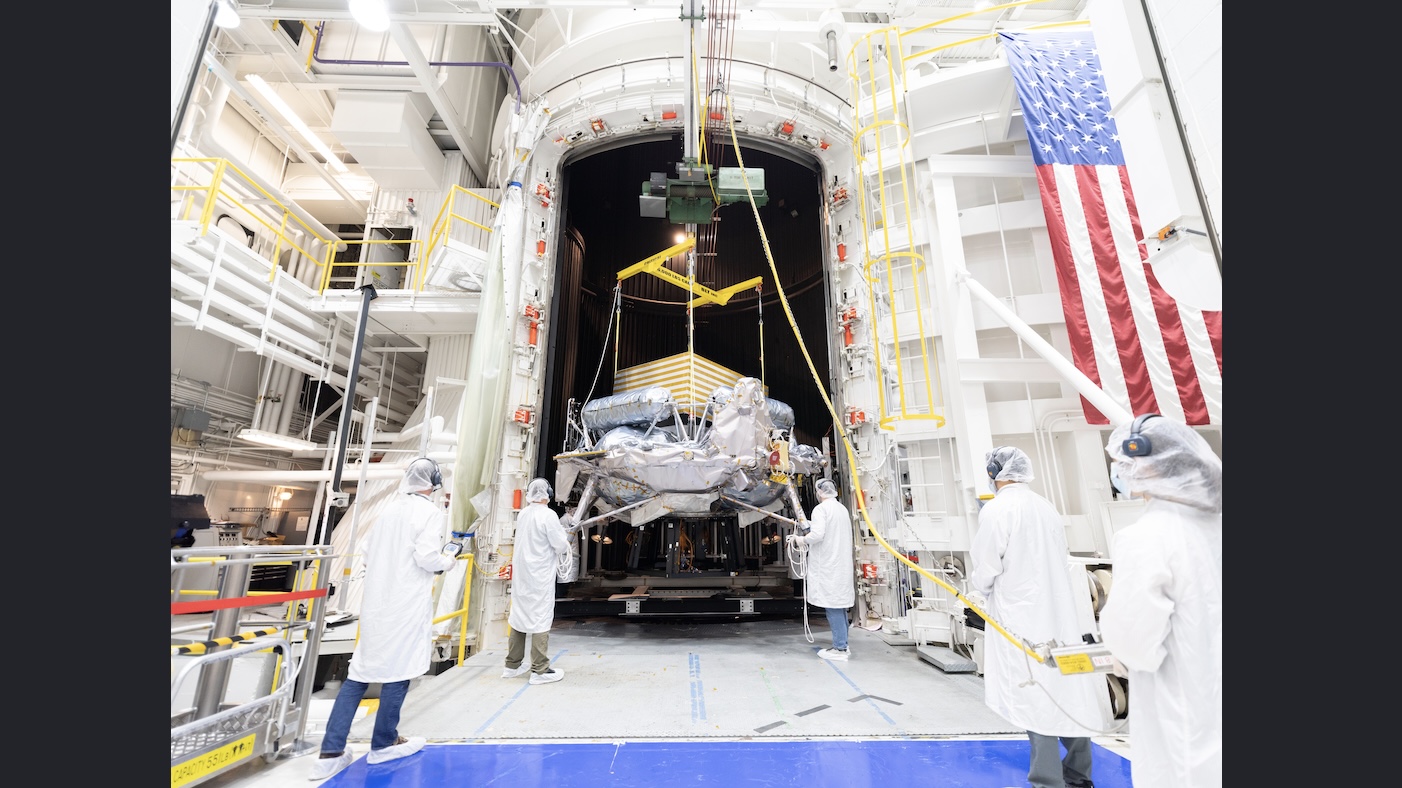
Japan’s space agency JAXA is set to launch the Martian Moons eXploration (MMX) spacecraft on Tuesday, October 19, using its H‑3 launch vehicle, to collect and return samples from Phobos, one of Mars’ two moons, according to both the Independent and the Guardian.
What happened
The launch will occur from the Tanegashima Space Center in southern Japan. The mission is planned to last about five years, with the spacecraft spending several months orbiting Mars before descending to Phobos, gathering surface material, and then returning the payload to Earth. After launch the spacecraft will travel roughly 55 million kilometres to the Mars region, arriving about a year later, then spend three years studying Phobos and conducting a fly‑by of Deimos before returning to Earth.
What the reports add
- The Independent notes that this is the world’s first mission to attempt a sample return from a Martian moon and places it in the context of the United States, China and other nations planning crewed missions to Mars.
- The Guardian highlights that the MMX mission includes equipment and communications support from NASA and other national space agencies, underscoring the international collaboration.
- Both outlets explain that Phobos is about 27 km (17 mi) across at its widest point and orbits Mars roughly 6,000 km (3,700 mi) away, circling the planet three times a day.
- Material from Mars is expected to make up about 0.1 % of the material collected from Phobos, according to JAXA officials.
- Multiple Russian attempts to land on Phobos, including a 2011 mission, have failed.
What was said
“Despite their potential importance, Martian moons have never been fully investigated. They are known as the most important unclimbed mountains in the solar system,”
said MMX project manager Yasuhiro Kawakatsu to both the Independent and the Guardian.
“We can almost certainly come to a conclusion by analysing soil samples,”
said MMX principal investigator Kiyoshi Kuramoto, as reported by both outlets.
How it came about
JAXA’s MMX mission builds on decades of Mars exploration that began in the 1960s, when dozens of probes were sent to the Red Planet but its moons received little attention. The mission follows earlier Japanese space achievements, such as the recent launch of Google’s Project Suncatcher satellite (Google Project Suncatcher), underscoring Japan’s growing role in international space initiatives.
Key facts
- Japan will launch the MMX spacecraft on an H‑3 rocket on Oct. 19, 2026. (independent.co.uk)
- The mission aims to collect and return samples from Phobos, a Martian moon. (theguardian.com)
- Project manager Yasuhiro Kawakatsu said the moons are the most important unclimbed mountains in the solar system. (independent.co.uk)
Sources
- [1] independent.co.uk
- [2] theguardian.com
- [3] space.com
- [4] independent.co.uk