Brief
Google launches Project Suncatcher satellite on SpaceX ride‑share
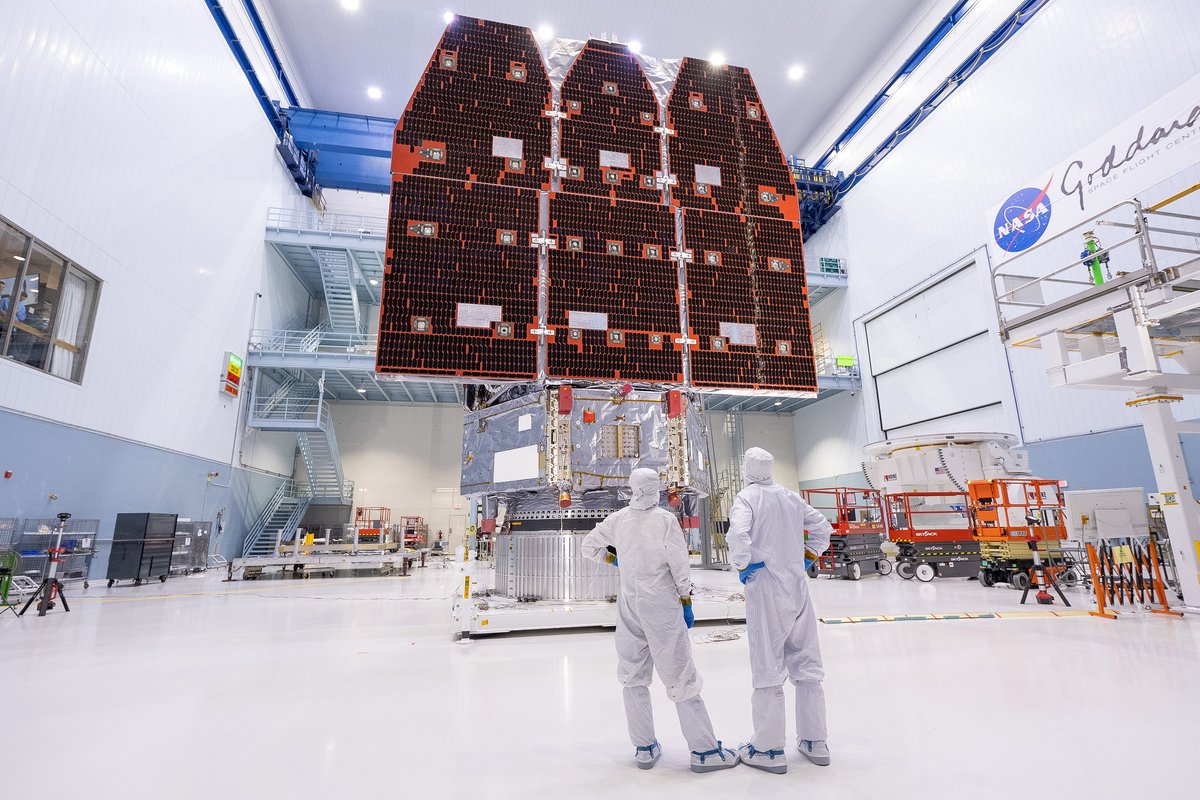
The prototype satellite carrying Google’s AI chips lifted off from Vandenberg Space Force Base on Oct. 1 as part of the company’s Project Suncatcher.
By Felo News Desk · Published
Google’s first satellite for Project Suncatcher lifted off from Vandenberg Space Force Base in California on Oct. 1, riding on SpaceX’s Transporter‑18 rideshare mission, according to both the Independent and Scientific American.
What happened
The SpaceX Falcon 9 launched at approximately 2:32 p.m. EST, delivering the experimental satellite into low‑Earth orbit. The payload carries Google’s Tensor Processing Units (TPUs), the same chips used in the company’s data‑center AI models, to test their performance in the harsh space environment.
What the reports add
The Independent notes that the launch marks the first attempt to move data‑centre‑grade AI compute into orbit, building on earlier missions such as ESA’s PhiSat‑1 that placed AI chips for environmental monitoring. Scientific American adds that the TPUs have already undergone ground‑based radiation testing at the University of California, Davis, and that early results indicated the chips withstood simulated solar radiation “remarkably well.”
What was said
Maria Biggs, director of engineering at Google, said Project Suncatcher is “a simple idea: How can we efficiently scale AI infrastructure, through orbital data centres by leveraging the abundant energy that we can get from the Sun,” as reported by the Independent. The Independent also quoted SpaceX chief Elon Musk outlining his broader ambition to launch up to one million satellites that could serve as orbital data centres for AI.
How it came about
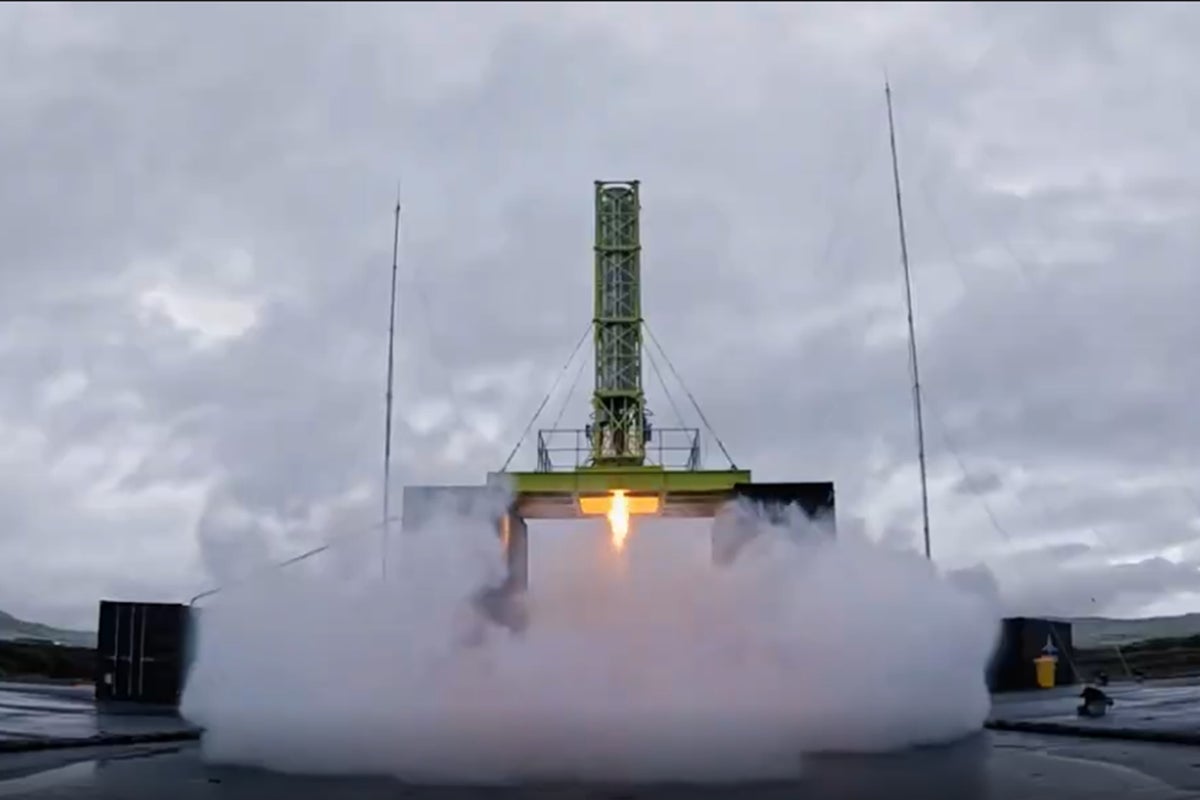
Google’s effort follows a series of AI‑in‑space experiments, including ESA’s PhiSat‑1 mission, and builds on the company’s long‑term strategy of integrating AI capabilities across its infrastructure. Earlier Felo coverage of related space technology developments, such as the Skyrora hot‑fire test (skyrora-hot-fire-test) and Rocket Lab’s 96th Electron launch (rocket-lab-96th-electron-launch), provides context for the growing commercial launch activity that makes rideshare missions like Transporter‑18 possible.
Key facts
- Google’s Project Suncatcher satellite launched on Oct. 1, 2026. (independent.co.uk)
- The launch took place from Vandenberg Space Force Base in California aboard SpaceX’s Transporter‑18 rideshare mission. (independent.co.uk)
- The payload carries Google’s Tensor Processing Units (TPUs) to test AI compute in orbit. (scientificamerican.com)
- Maria Biggs described the project as a way to scale AI infrastructure using orbital data centres. (independent.co.uk)