NASA outlines 14‑day Artemis III test mission to validate lunar lander operations
The agency will launch four astronauts in Orion for a two‑week orbital test of landing systems, aiming to reduce risk ahead of the 2028 Moon return.
By Felo News Desk · Published
NASA announced that the Artemis III mission, slated for launch in the summer of 2027, will spend 14 days in low‑Earth orbit testing prototype lunar landers from SpaceX and Blue Origin, according to statements from the agency and Scientific American.
What happened
During the planned two‑week mission, Orion will carry NASA astronauts Randy Bresnik, Frank Rubio, Andre Douglas and ESA astronaut Luca Parmitano. The crew will conduct rendezvous, docking, habitation and operational drills with test articles of the two commercial landing systems. The mission will involve three separate spacecraft launched on three heavy‑lift rockets: a Blue Origin New Glenn‑borne Blue Moon test article, a SpaceX‑launched Starship test article, and Orion itself.
What the reports add
Scientific American noted that Artemis III was reconfigured earlier this year from a crewed lunar‑surface flight to a complex orbital test, and that the agency expects the launch window in summer 2027 but has not set an exact date. The outlet also quoted NASA head Jared Isaacman saying the mission will serve as a “tiebreaker” between the two lander designs for the later Artemis IV flight.
NASA’s own website added that the mission’s purpose is to reduce risk, validate hardware and gain operational experience before astronauts return to the Moon’s South Pole in 2028. Program manager Jeremy Parsons emphasized that the three‑vehicle, three‑rocket operation is a first for the agency.
What was said
Jeremy Parsons, Artemis program manager, told reporters, “Every piece of this mission in Earth orbit is designed to reduce risk before we put astronauts back on the Moon,” as reported by NASA.gov. Jared Isaacman, NASA administrator, said the mission will act as a “tiebreaker” between SpaceX and Blue Origin for the Artemis IV lander slot, according to Scientific American.
How it came about
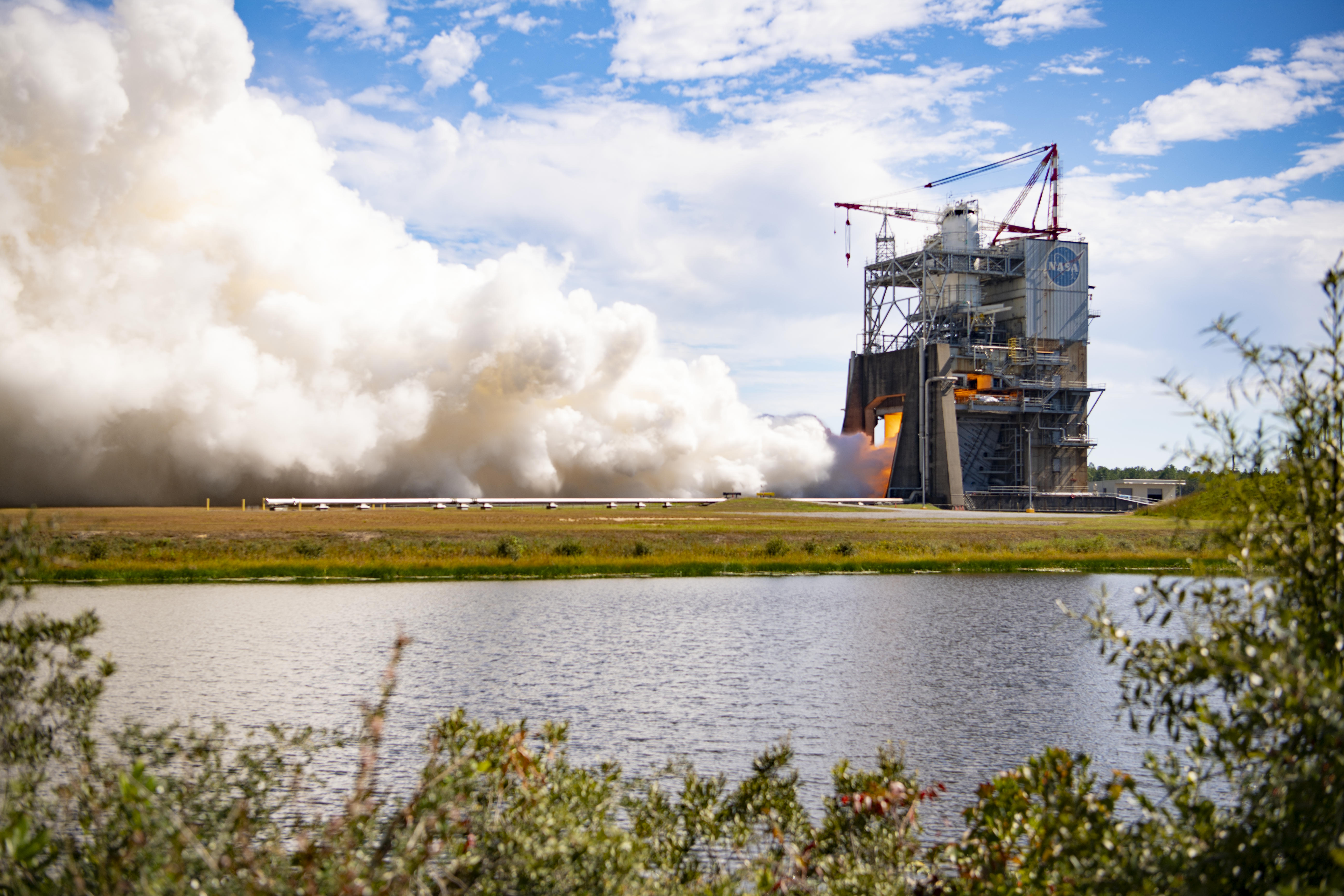
The Artemis III test follows a series of recent NASA milestones, including the RS‑25 engine hot‑fire test on Oct. 21 (Felo coverage) and the media briefing on Oct. 23 that outlined the agency’s accelerated lunar schedule (Felo coverage). Earlier in October, NASA also detailed progress on lunar rovers that will support future surface missions (Felo coverage). Together, these steps illustrate NASA’s broader effort to validate multiple systems before the 2028 crewed landing.
Key facts
- Artemis III will launch in summer 2027 for a 14‑day orbital test mission. (scientificamerican.com)
- Four astronauts – Randy Bresnik, Frank Rubio, Andre Douglas and Luca Parmitano – will fly aboard Orion. (nasa.gov)
- The mission will test prototype landers from Blue Origin and SpaceX launched on separate rockets. (nasa.gov)
- NASA program manager Jeremy Parsons said the mission is designed to reduce risk before the 2028 Moon landing. (nasa.gov)
- NASA administrator Jared Isaacman called Artemis III a "tiebreaker" for selecting the Artemis IV lander. (scientificamerican.com)
Timeline
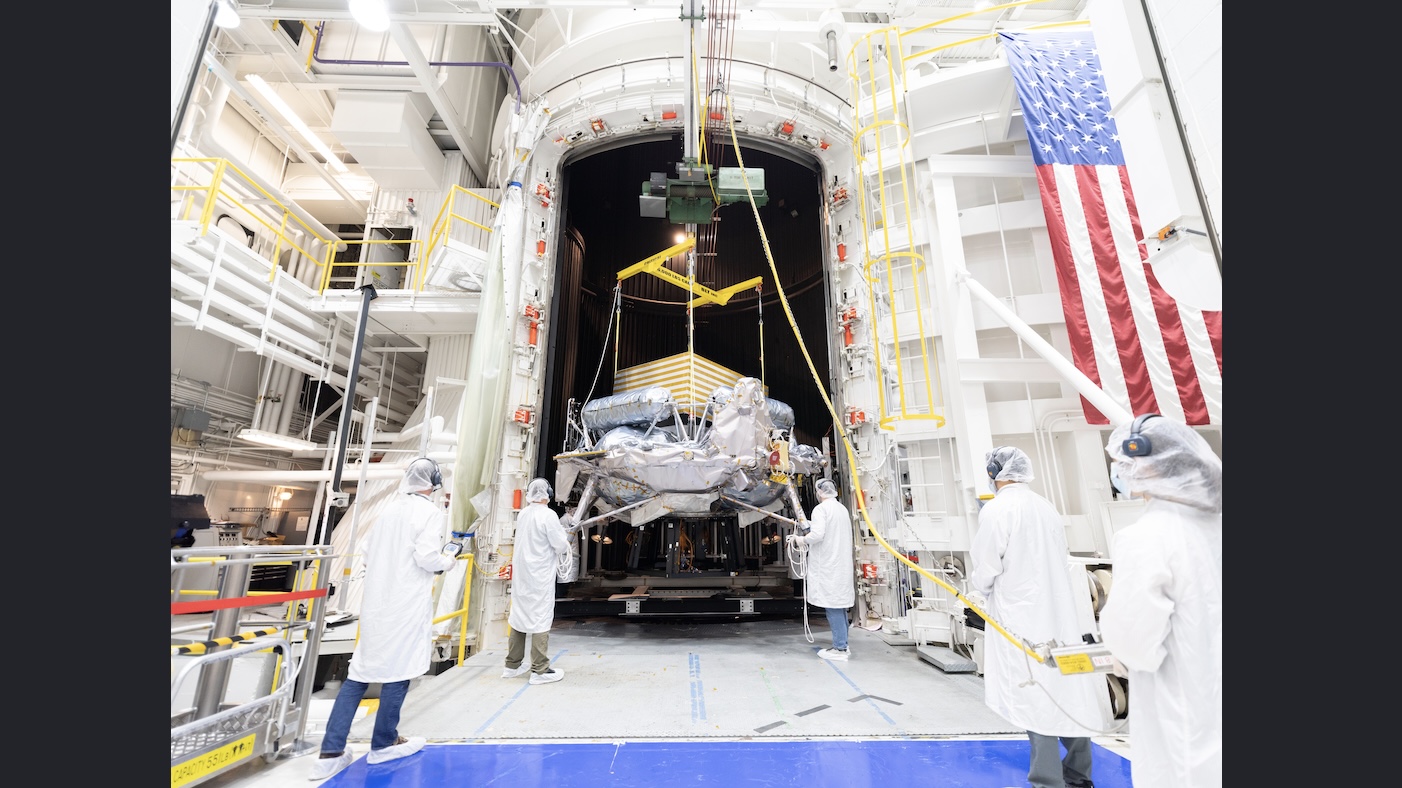
- 2026-10-13 — Griffin‑1 lunar lander environmental tests completed at JPL
- 2026-10-21 — RS‑25 engine No. 10001 hot‑fire test for Artemis missions
- 2026-10-23 — NASA media briefing on Artemis acceleration
Sources
- [1] scientificamerican.com
- [2] nasa.gov
- [3] space.com