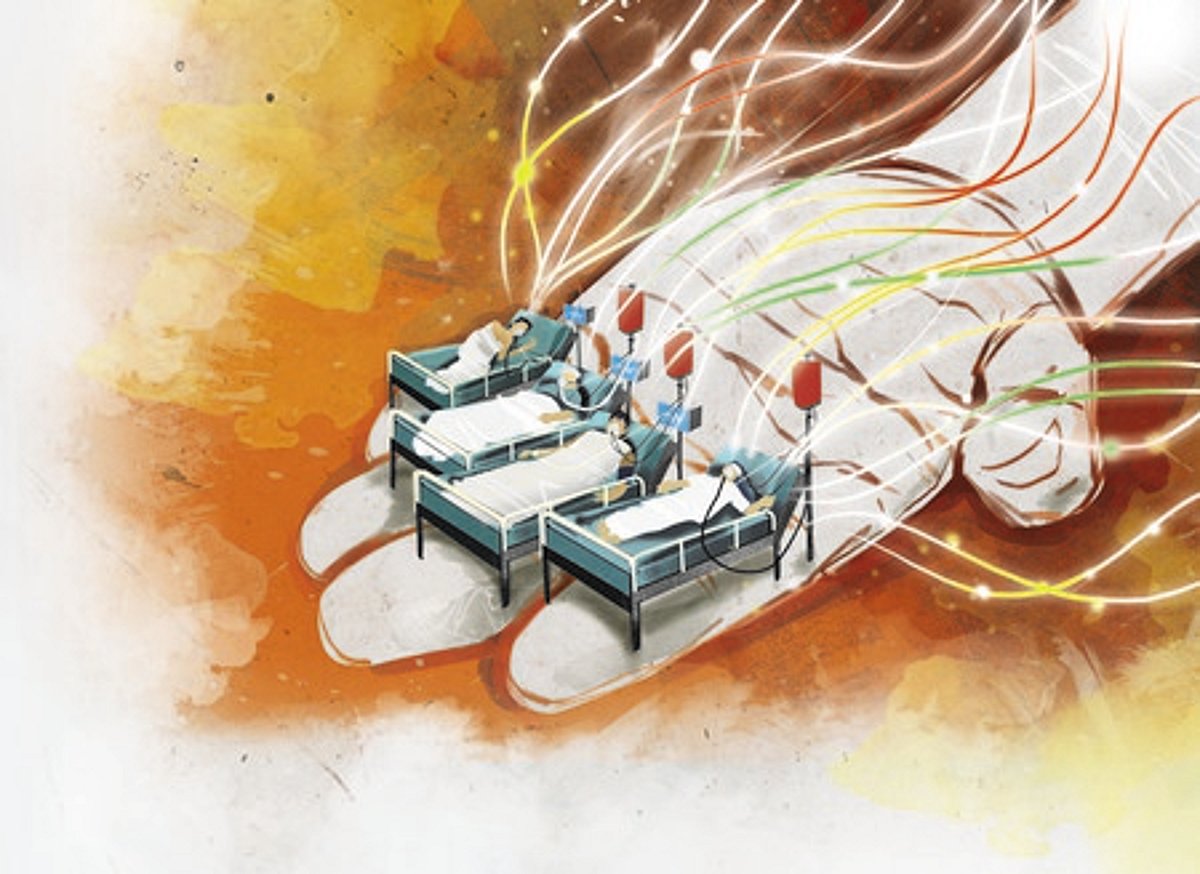
Yemen’s hospitals overwhelmed as civil war returns
The resumption of fighting in Yemen has turned hospitals into emergency shelters, forcing medical staff to triage trauma cases while neglecting routine care. Children, pregnant women and the wounded face shortages of beds, medicine and equipment, as the conflict pushes the already fragile health sy…
By Felo News Desk · Published
When Tarek al‑Salami, a seven‑year‑old boy from Mokha, was carried on his father’s shoulders to Aden, the journey itself was a testament to the desperation that has settled over Yemen’s hospitals. The boy arrived with severe malnutrition and diarrhoea, conditions that would normally be treated within days. Instead, he was met with an empty ward, a lack of beds and a healthcare system that had been pushed to its limits by the return of civil war.
From Mokha to Aden: A Desperate Journey
Mohammed al‑Salami’s trek covered 270 kilometres (170 miles) on foot, a distance that would normally be covered by a vehicle. The road was blocked by fighting, and the boy’s father had no choice but to walk. Two days later, the family reached a government‑held hospital in Aden that could not accommodate them. The boy was eventually transferred to a therapeutic feeding centre where he was declared in “acute crisis.” He only began walking again on a Wednesday, more than a week after the initial injury.
Hospitals Overrun by Trauma
The conflict has turned many health facilities into makeshift trauma centres. According to the United Nations, most hospitals and primary health centres were closed for the first 48 hours of the escalation before reopening. Even then, they are overwhelmed by wounded soldiers and civilians, leaving little room for routine care. The World Health Organization reports that fewer than 10 % of affected health centres are fully equipped with trauma services.
In the government‑held city of Marib, Dr. Ahmed Modhesh notes a surge in emergency maternity cases. The Martyr Mohamed Hayel hospital has doubled its childbirths to about 80 per day, yet it lacks intensive care specialists and reliable generators. A midwife, speaking anonymously, described a woman with an ectopic pregnancy who was saved by an emergency procedure despite limited resources.
Pregnancy and Child Health in Crisis
Pregnant women are among the most vulnerable. The United Nations Population Fund estimates that 2,000 pregnant women are on the move, with over 200 expected to deliver in the coming week. Maternity wards have been repurposed as emergency rooms, and many lack essential supplies such as anesthesia, oxygen and sterile gloves. In Taiz province, the health office manager Fahd al‑Nazari warns that hospitals may close within days due to the strain on staff and supplies.
Incubators in the Yemeni‑Swedish Maternity and Children’s Hospital in Taiz are full, and children are sharing beds in emergency rooms. The situation is compounded by fuel shortages and blocked supply routes, forcing convoys onto mountainous roads that are unsuitable for large trucks. Even before the escalation, public hospitals in the province had only one MRI machine available.
Impact on Medical Staff and Aid Workers
Doctors and nurses are fleeing the conflict zones, further depleting the already thin workforce. Aid agencies, such as Doctors Without Borders, report that their teams are operating with severe shortages of health professionals. In Houthi‑held Sanaa, a private hospital treating rebels is overwhelmed with hundreds of wounded, yet it receives limited support from international agencies due to security concerns.
The Houthis have struggled to pay salaries to civil servants, including public sector doctors, diverting most tax revenues to their military wing. The International Committee of the Red Cross delivered 22 tons of medical supplies to support “overwhelmed” hospitals, but the scale of the need far exceeds what can be delivered through closed roads.
What Happens Next?
The health crisis in Yemen is deepening. With the conflict backed by Iran‑aligned Houthis and Saudi‑backed government forces, the fighting has displaced over 130,000 people and cut off critical aid corridors. Hospitals are forced to triage, prioritising trauma over routine care, and the lack of equipment and supplies threatens to turn Yemen into a humanitarian catastrophe. The international community faces a daunting task: to reopen supply lines, provide medical equipment, and protect healthcare workers so that the most vulnerable can receive the care they need.
Key facts
- The return of civil war has overrun Yemeni hospitals with trauma cases.
- Routine care, including maternity and pediatric services, is being neglected.
- Medical staff and aid workers are fleeing or are short‑staffed.
- Supply routes are blocked, causing shortages of medicine and equipment.
- The international community must intervene to restore health services.
- The crisis threatens to worsen Yemen’s already dire humanitarian situation.
Why it matters
Yemen’s health system is on the brink of collapse, and the ongoing war is turning hospitals into emergency shelters, leaving children, pregnant women and the wounded without essential care.
Frequently asked questions
Why are hospitals in Yemen overwhelmed?
The resumption of fighting has turned many health facilities into makeshift trauma centres, prioritising wounded soldiers and civilians over routine care.
What is happening to pregnant women in Yemen?
Pregnant women face high mortality rates; maternity wards are repurposed as emergency rooms, and many lack essential supplies like anesthesia and oxygen.
How are aid workers affected?
Doctors and nurses are fleeing conflict zones, and aid agencies face security concerns and blocked supply routes, limiting their ability to deliver necessary medical supplies.
Sources
- [1] independent.co.uk — originally reported as “Yemen’s civil war returns and overwhelms hospitals with 'a very dangerous situation'”