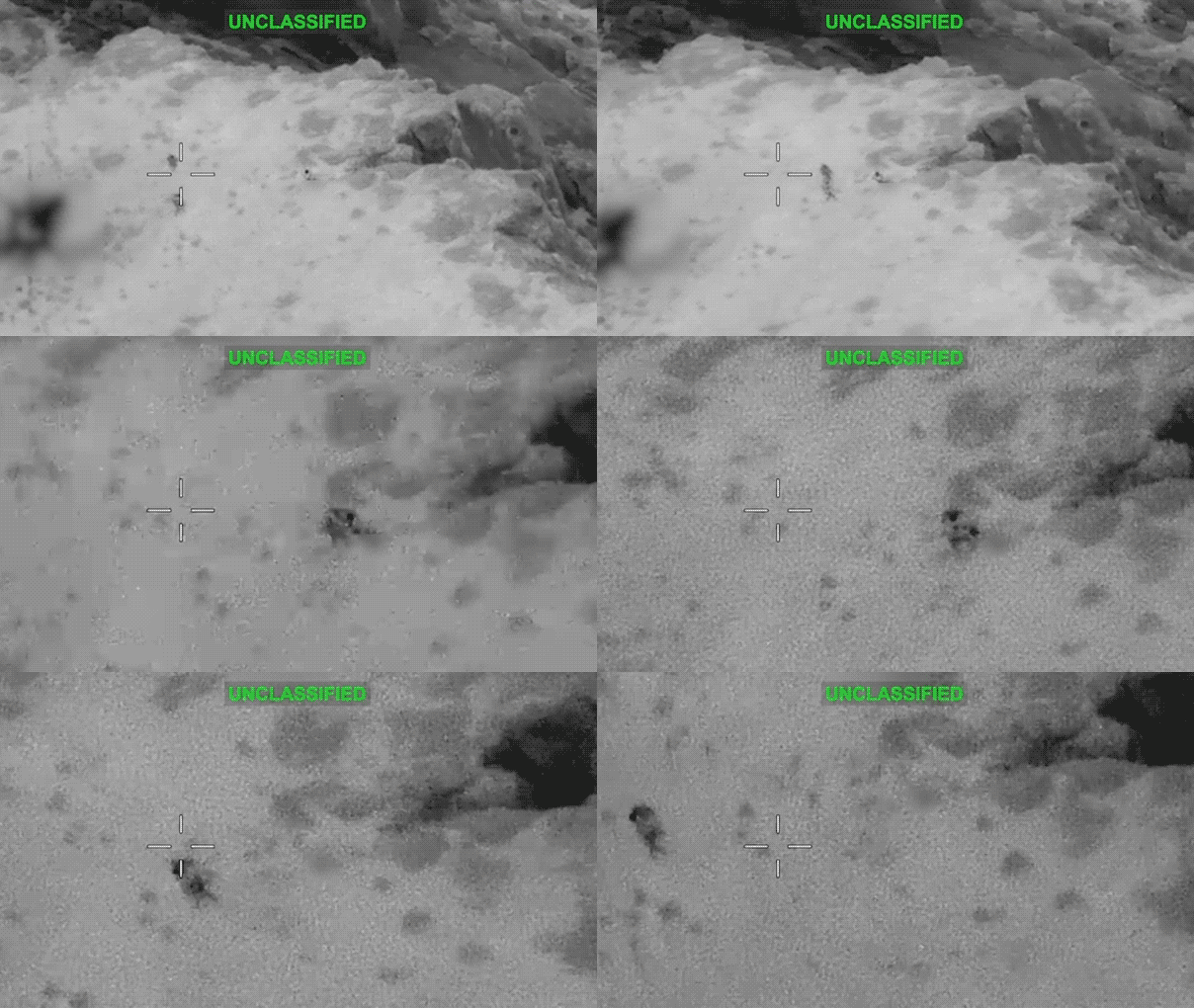
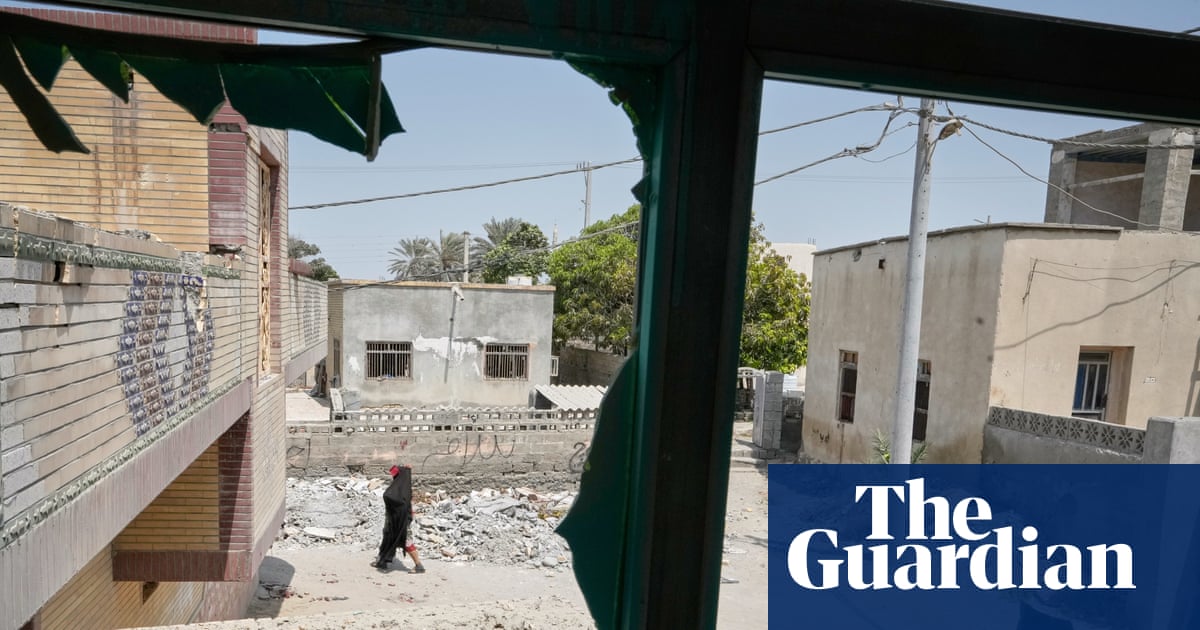
Iran war could cost $2 billion per month, Congressional Budget Office estimates
A Congressional Budget Office report warns that U.S. military operations against Iran could cost $2–$3 billion per month, with $38 billion already spent and significant munitions inventory gaps. The analysis highlights the financial strain on defense budgets and the need for supplemental appropriat…
The U.S. has been engaged in a low‑intensity conflict with Iran since late February, and a new Congressional Budget Office (CBO) report shows the cost is mounting at a pace that could strain the defense budget. The analysis estimates that the war could cost between $2 billion and $3 billion each month if it continues at its current level of activity.
What the CBO Found
The CBO’s report, released Tuesday, calculates that from February 28 to August 1 the United States spent roughly $38 billion on the conflict. That figure excludes the cost of repairing U.S. bases in the region that were damaged during the fighting. The bulk of the expense comes from replacing munitions used in the war, the report says.
Specifically, the CBO estimates $21.7 billion will be needed to replace munitions through August 1. That includes $7.3 billion for land‑attack cruise missiles, $13.1 billion for missile‑defense interceptors and $1.2 billion for other munitions. The loss of interceptors is especially concerning, as the report notes that a depleted inventory could leave the U.S. vulnerable if it faced an adversary with large ballistic and cruise missile arsenals, such as China.
Additional Costs and Inventory Shortfalls
Beyond munitions, the CBO says the war will cost about $1.9 billion to replace lost equipment, including a THAAD air‑defense radar destroyed by Iranian fire. That radar is essential for the THAAD battery’s missile‑intercept capability and can cost roughly $500 million. If the Pentagon requests supplemental appropriations to replace lost aircraft with newer models, the total replacement cost could rise to $3.3 billion.
The report also highlights that the U.S. Department of Defense has not responded to information requests, and a Pentagon inspector general’s earlier report found that the use of munitions has led to strategic inventory shortfalls and revealed industrial base bottlenecks for resupply.
Political and Budgetary Context
The CBO analysis was prompted by a request from Democratic Representative Brendan Boyle of Pennsylvania, the ranking member on the House Budget Committee. Boyle said the war has already taken the lives of American servicemembers and left others wounded, and that the financial toll is “tens of billions of dollars and counting.”
In June, the Trump administration sent Congress an $87.6 billion supplemental funding request that included $67 billion for the Department of Defense for Iran‑related needs. Republicans are pushing to provide up to $73 billion in new funding through a party‑line reconciliation process, but the House‑adopted budget blueprint has stalled in the Senate.
White House and Pentagon officials have downplayed concerns about depleted weapons inventories. President Trump posted on Truth Social that the U.S. has “virtually unlimited amounts of mid‑ to high‑grade ammunition.” Admiral Brad Cooper, head of forces in the Middle East, told “60 Minutes” that the U.S. is “well‑armed and ready for any contingency.”
Future Outlook
According to the CBO, if the war continues at a relatively low intensity, the monthly cost could remain in the $2 billion to $3 billion range. Costs could rise sharply if there is an escalation similar to the July exchange of strikes, when the war reportedly cost about $3 billion for that month alone.
The report warns that the continued use of munitions will keep depleting the U.S. inventory, creating a “reduced inventory of interceptors for several years.” If the conflict escalates, the financial burden could grow even faster, potentially requiring additional appropriations to keep the U.S. forces fully equipped.
As the U.S. continues to confront Iran’s missile capabilities, the CBO’s findings underscore the need for Congress to address the budgetary implications of the war, ensuring that defense resources remain adequate for national security.
Key Takeaways
- The war with Iran has cost $38 billion so far, with $21.7 billion needed to replace munitions.
- Monthly costs could reach $2–$3 billion if the conflict persists at current levels.
- Inventory gaps in missile interceptors pose a strategic risk if the U.S. faces a large missile arsenal.
- Additional equipment replacement could cost $1.9–$3.3 billion, depending on aircraft replacement decisions.
- Congress is considering up to $73 billion in new funding, but Senate delays threaten timely support.
Frequently Asked Questions
- What is the main cost driver in the U.S. war with Iran? The primary cost driver is the replacement of munitions, especially missile‑defense interceptors and land‑attack cruise missiles.
- Why are missile interceptors a concern? The U.S. has a reduced inventory of interceptors, which could leave forces vulnerable if faced with a large missile arsenal from an adversary like China.
- What is the role of the THAAD radar? The THAAD radar is essential for the missile‑intercept capability of the THAAD battery; its loss requires costly replacement.
- How is Congress responding to the cost? The House is proposing up to $73 billion in new funding, but the Senate has stalled the budget blueprint, delaying potential appropriations.
- What does the CBO recommend? The CBO recommends that Congress address the inventory shortfalls and consider supplemental appropriations to keep U.S. forces adequately equipped.
Why it matters
The financial strain of the Iran conflict threatens U.S. defense readiness and could force Congress to allocate more resources, impacting other national priorities.
Key points
- $38 billion spent so far, with $21.7 billion needed for munitions replacement
- Monthly costs could reach $2–$3 billion if conflict continues
- Missile‑defense interceptor inventory gaps pose strategic risk
- THAAD radar replacement adds $1.9–$3.3 billion to costs
- Congress is considering up to $73 billion in new funding, but Senate delays
- CBO urges addressing inventory shortfalls to maintain readiness
Frequently asked questions
What is the main cost driver in the U.S. war with Iran?
The primary cost driver is the replacement of munitions, especially missile‑defense interceptors and land‑attack cruise missiles.
Why are missile interceptors a concern?
The U.S. has a reduced inventory of interceptors, which could leave forces vulnerable if faced with a large missile arsenal from an adversary like China.
What is the role of the THAAD radar?
The THAAD radar is essential for the missile‑intercept capability of the THAAD battery; its loss requires costly replacement.
How is Congress responding to the cost?
The House is proposing up to $73 billion in new funding, but the Senate has stalled the budget blueprint, delaying potential appropriations.
What does the CBO recommend?
The CBO recommends that Congress address the inventory shortfalls and consider supplemental appropriations to keep U.S. forces adequately equipped.