Iran war increasing inflation, straining US munitions: congressional report
A nonpartisan Congressional Budget Office report released Tuesday finds that the U.S. war on Iran has already cost $38 billion, with monthly costs climbing $3 billion. The conflict is projected to raise inflation by 0.5 percentage points in early 2027 and could take up to five years to replenish de…
The Congressional Budget Office (CBO) released a detailed analysis Tuesday that paints a stark picture of the economic and logistical strain the U.S. war on Iran is placing on the federal budget and the armed forces. According to the report, the six‑month conflict has already cost the United States $38 billion, and the monthly cost is expected to rise by $3 billion as the war drags on.
Economic Impact: Rising Inflation and Budget Strain
The CBO’s study projects that the war will push inflation up by 0.5 percentage points in the first quarter of 2027. That figure comes at a time when voters are already wary of rising prices as the midterm elections approach. The report’s numbers align closely with those presented by Secretary of Defense Pete Hegseth in July, who estimated the war’s cost at $37.5 billion during a congressional hearing. Hegseth has called for a dramatic increase in the U.S. military budget, arguing that the country’s defense spending must keep pace with the demands of a prolonged conflict.
In addition to direct costs, the report notes that the war has contributed to global energy market disruptions, which in turn have amplified price pressures worldwide. The CBO’s figures do not include borrowing costs associated with the conflict or the impact of Iranian attacks on U.S. military installations in the Middle East, suggesting that the true fiscal burden may be even higher.
Logistical Challenges: Munitions Shortages and Replenishment Delays
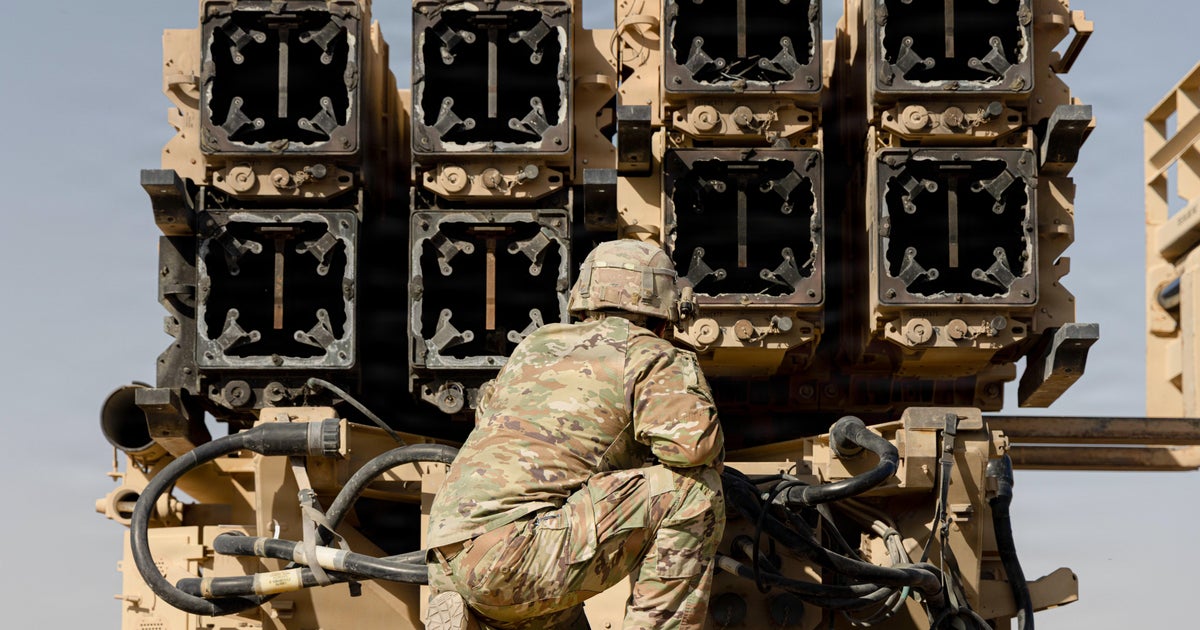
One of the most alarming findings of the CBO report is the depletion of U.S. munitions stockpiles. The war has exhausted key supplies of ammunition and explosives, stretching the military’s ability to meet commitments in other theaters. The study estimates that it could take up to five years to replenish these stockpiles, a delay that could compromise readiness in the event of future conflicts.
These shortages were highlighted in a separate report by inspectors general at the Pentagon, which detailed production bottlenecks and the loss of dozens of U.S. aircraft during the war. Despite these challenges, Pentagon spokesperson Sean Parnell emphasized that the U.S. still has the capability to strike at any time and place the president chooses. The Pentagon’s statements contrast sharply with the CBO’s findings, underscoring a disconnect between official assurances and on‑the‑ground realities.
Political Fallout: Criticism of the Trump Administration
The CBO report arrives amid growing criticism of the Trump administration’s handling of the Iran conflict. President Trump has publicly defended the war, claiming that oil prices will plummet once the military conflict ends. However, the report’s data suggest that the war’s economic toll is far from negligible.
Congressional leaders, including Democrat Brendan Boyle of the House Budget Committee, have called the war’s cost “tens of billions of dollars and counting.” Boyle’s statement underscores the human and financial toll of the conflict, noting that it has already taken the lives of American servicemembers and left others wounded.
What Comes Next?
As the U.S. grapples with the financial and logistical implications of the Iran war, lawmakers are pressured to decide whether to increase the defense budget or seek alternative strategies to reduce costs. The CBO’s findings may influence future budget hearings and shape the debate over the war’s duration and objectives.
Meanwhile, the Pentagon’s assurances that the U.S. can still strike at will may be tested if munitions shortages become more acute. The five‑year replenishment timeline could force the military to reallocate resources or accelerate production, potentially impacting operations in other regions.
Ultimately, the CBO report highlights the complex trade‑offs facing U.S. policymakers: balancing the strategic imperative of confronting Iran against the economic realities of a prolonged conflict and the need to maintain readiness across a global theater of operations.
Key Takeaways
- The U.S. war on Iran has cost $38 billion in six months, with monthly costs rising $3 billion.
- Inflation is projected to increase by 0.5 percentage points in early 2027 due to the conflict.
- Munitions stockpiles are depleted, with a five‑year replenishment timeline.
- The Pentagon’s confidence in striking capabilities contrasts with logistical challenges highlighted by the CBO.
- Congressional debate is intensifying over defense budget increases and the war’s future direction.
Frequently Asked Questions
- Q: How does the war affect U.S. inflation? A: The CBO estimates a 0.5 percentage point rise in inflation by early 2027 due to increased defense spending and global energy disruptions.
- Q: Why might it take five years to replenish munitions? A: Production bottlenecks, supply chain disruptions, and the high demand for munitions in the Iran conflict have stretched the U.S. defense industrial base.
- Q: What is the Pentagon’s stance on the war’s cost? A: Pentagon officials maintain that the U.S. can still strike at will, while acknowledging logistical challenges.
Why it matters
The report underscores the significant economic and logistical costs of the U.S. war on Iran, highlighting inflationary pressures and munitions shortages that could affect national security and fiscal policy.
Key points
- $38B spent in six months, $3B monthly rise
- Inflation projected to climb 0.5% in early 2027
- Munitions stockpiles depleted, five‑year replenishment needed
- Pentagon claims striking capability, CBO warns of shortages
- Defense budget debate intensified by cost findings
Frequently asked questions
How does the war affect U.S. inflation?
The CBO estimates a 0.5 percentage point rise in inflation by early 2027 due to increased defense spending and global energy disruptions.
Why might it take five years to replenish munitions?
Production bottlenecks, supply chain disruptions, and the high demand for munitions in the Iran conflict have stretched the U.S. defense industrial base.
What is the Pentagon’s stance on the war’s cost?
Pentagon officials maintain that the U.S. can still strike at will, while acknowledging logistical challenges.