Iran war cost US $38bn and significantly depleted missile stockpile, report finds
A new Congressional Budget Office report shows that the US has spent at least $38bn on the war in Iran and that its defensive missile stockpile has been severely depleted, requiring up to five years to replenish. The findings come amid ongoing political pressure and a growing cost of living crisis…
The Congressional Budget Office (CBO) has released a comprehensive cost analysis of the United States’ involvement in the Iran conflict, estimating that the war has consumed at least $38 billion in fiscal resources. The report also highlights a dramatic depletion of the nation’s defensive missile inventory, suggesting that rebuilding the stockpile could take as long as five years, even with increased production rates.
What the CBO Found
According to the CBO’s findings, the total expenditure on the Iran war reached $38 billion, a figure that eclipses the Pentagon’s own estimate of $33.4 billion. The Pentagon’s report, released just a day before the CBO analysis, had already documented $22.3 billion spent on munitions and $33.4 billion in total spending through the end of June. The new CBO report expands on those numbers by adding the cost of damaged infrastructure, increased energy prices, and the impact on inflation.
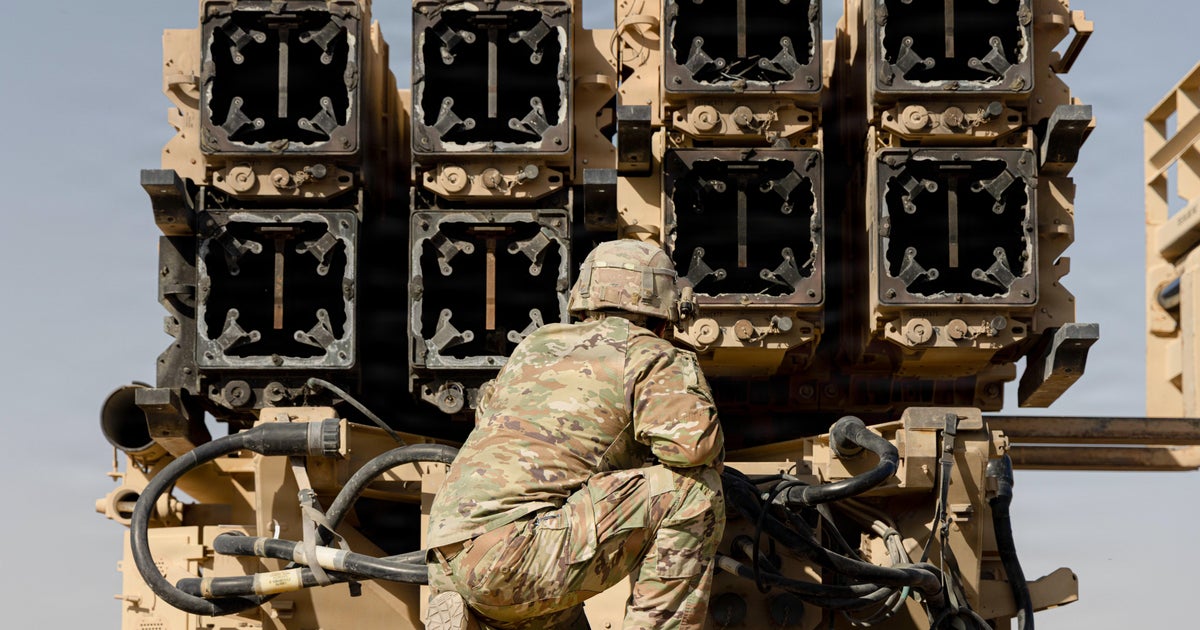
One of the most striking revelations is the depletion of the U.S. missile defense inventory. The war has consumed a large portion of Patriot, THAAD, and Navy interceptor stockpiles. The CBO estimates that replacing the lost interceptors will take at least five years, even if production is ramped up. This shortfall is especially concerning in the context of a potential conflict over Taiwan, where the U.S. would need to deploy interceptors more quickly and in larger numbers than it has for the Iran campaign.
Background on the Conflict and Its Costs
The U.S. has been engaged in a multi‑nation coalition against Iranian-backed forces across the Middle East since the outbreak of hostilities in 2023. The conflict has targeted Iranian infrastructure and has seen the U.S. and its allies launch air strikes against facilities in Iraq, Syria, and other neighboring countries. The war has also led to the destruction of U.S. bases in Kuwait, Bahrain, Qatar, the United Arab Emirates, Saudi Arabia, Oman, and Jordan.
In addition to direct military expenditures, the war has driven up global oil prices. Brent crude rose from $64 per barrel before the fighting to a peak of $103, contributing to a 0.5‑percentage‑point increase in inflation projected for early 2027. The CBO notes that this inflationary pressure is partly due to disruptions in oil shipments through the Strait of Hormuz, a critical chokepoint for global energy supplies.
Political Context and Implications
The report was requested by Democratic Representative Brendan Boyle, ranking member of the House Budget Committee. It arrives just weeks before the U.S. midterm elections, a period when the cost of living crisis and foreign policy decisions are likely to influence voter sentiment. Critics argue that the Pentagon’s delayed release of its own cost analysis and its omission of an internal investigation into the Minab school strike—where 156 people, including 120 children, were killed—reflect a broader pattern of withholding information.
White House officials have responded defensively. Former President Donald Trump asserted that the U.S. possesses “far more munitions than anyone in the world,” while Defense Secretary Pete Hegseth dismissed a CNN report on depleted stockpiles as “not true.” These statements contrast sharply with the CBO’s findings and raise questions about transparency in defense spending.
What Happens Next?
While the CBO has provided a detailed snapshot of current costs, it acknowledges that it cannot fully estimate the expenses associated with repairing bomb‑damaged U.S. bases or the long‑term diplomatic and foreign aid costs tied to the war. The report also notes that the U.S. has requested $87.6 billion in supplemental funding, of which $67.1 billion is earmarked for the Pentagon. After removing unrelated expenditures, $42.3 billion remains directly linked to the Iran conflict, roughly 10% above the CBO’s estimate.
Given the projected depletion of missile interceptors and the ongoing inflationary pressures, policymakers face a challenging task of balancing immediate defense needs with long‑term fiscal sustainability. The next few months will likely see intensified debates over defense budgets, strategic priorities, and the broader geopolitical implications of the U.S. presence in the Middle East.
Key Takeaways
- The U.S. has spent at least $38 billion on the Iran war, according to the CBO.
- Missile defense stockpiles have been severely depleted, potentially requiring five years to rebuild.
- Oil price spikes and supply disruptions have contributed to a 0.5‑percentage‑point rise in projected inflation.
- White House officials have disputed the CBO’s findings, claiming the U.S. has ample munitions.
- The conflict’s costs are likely to influence voter sentiment in the upcoming midterm elections.
FAQs
- What is the total cost of the Iran war? The CBO estimates the cost at $38 billion, including munitions, infrastructure damage, and inflationary effects.
- How long will it take to rebuild the missile stockpile? The CBO projects a rebuilding period of up to five years, even with increased production.
- Why is the war affecting inflation? Disruptions in oil shipments through the Strait of Hormuz have driven up global oil prices, contributing to higher inflation.
- What political impact could this have? The cost and management of the war could influence voter attitudes ahead of the U.S. midterm elections.
- Are there any gaps in the cost estimate? The CBO could not fully account for repairs to bomb‑damaged bases or future diplomatic expenses.
Why it matters
The report exposes the hidden fiscal burden of the Iran war and highlights a critical shortage in defensive missile stockpiles, both of which have immediate implications for national security and fiscal policy ahead of the midterm elections.
Key points
- US spent $38bn on Iran war
- Missile stockpile depleted, five‑year rebuild needed
- Oil price spikes raise inflation by 0.5%
- White House disputes CBO findings
- Costs may sway midterm election outcomes
Frequently asked questions
What is the total cost of the Iran war?
The CBO estimates the cost at $38 billion, including munitions, infrastructure damage, and inflationary effects.
How long will it take to rebuild the missile stockpile?
The CBO projects a rebuilding period of up to five years, even with increased production.
Why is the war affecting inflation?
Disruptions in oil shipments through the Strait of Hormuz have driven up global oil prices, contributing to higher inflation.
What political impact could this have?
The cost and management of the war could influence voter attitudes ahead of the U.S. midterm elections.
Are there any gaps in the cost estimate?
The CBO could not fully account for repairs to bomb‑damaged bases or future diplomatic expenses.