Exclusive | Iran war will enter ‘much different phase in a couple of months,’ JD Vance tells The Post
Vice President JD Vance said the US‑Iran war will enter a new phase after the midterm elections, with the Strait of Hormuz regaining traffic and a potential cease‑fire. He highlighted the U.S. strategy of degrading Iran’s military capabilities and the possibility of a negotiated settlement.
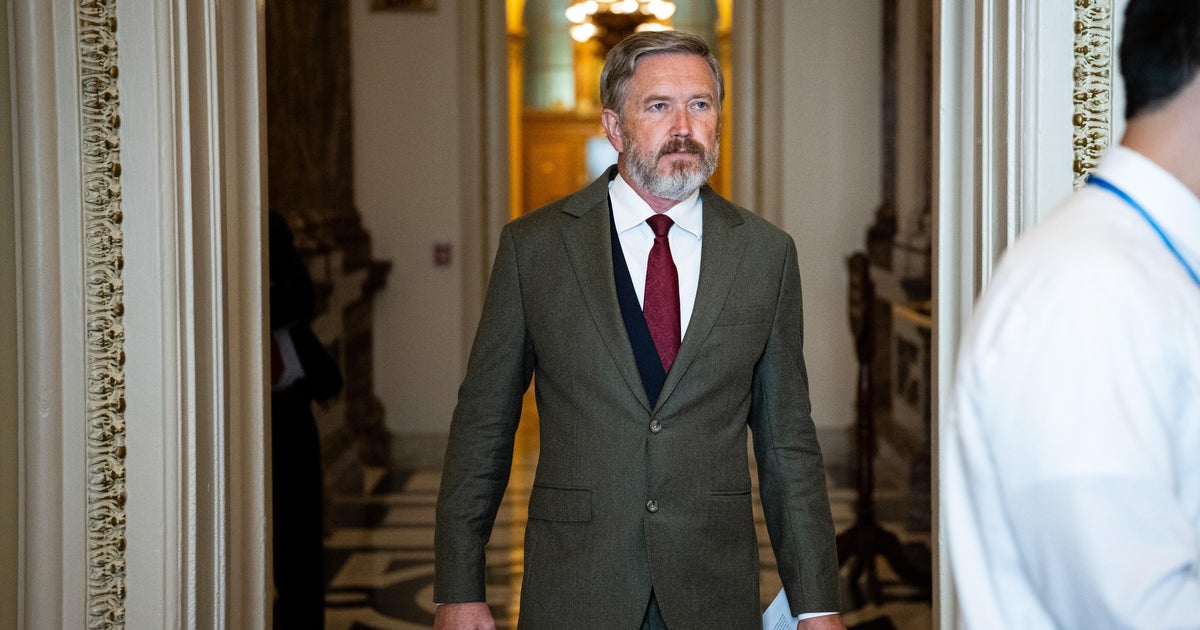
Vice President JD Vance told The Post that the United States’ conflict with Iran is poised to change course once the midterm elections conclude. The comment came aboard Air Force Two during a brief interview, where Vance emphasized the strategic shift that has already begun in the Strait of Hormuz and the broader Middle East.
Current State of the Strait of Hormuz
The Strait of Hormuz, a narrow waterway that channels roughly 20% of global seaborne oil, has seen a dramatic rebound in commercial traffic. Shipping trackers show that 11 vessels crossed the strait in the last 24 hours, compared with an average of 130 before the recent flare‑up. While the numbers remain below pre‑war levels, the increase signals a gradual return to normalcy.
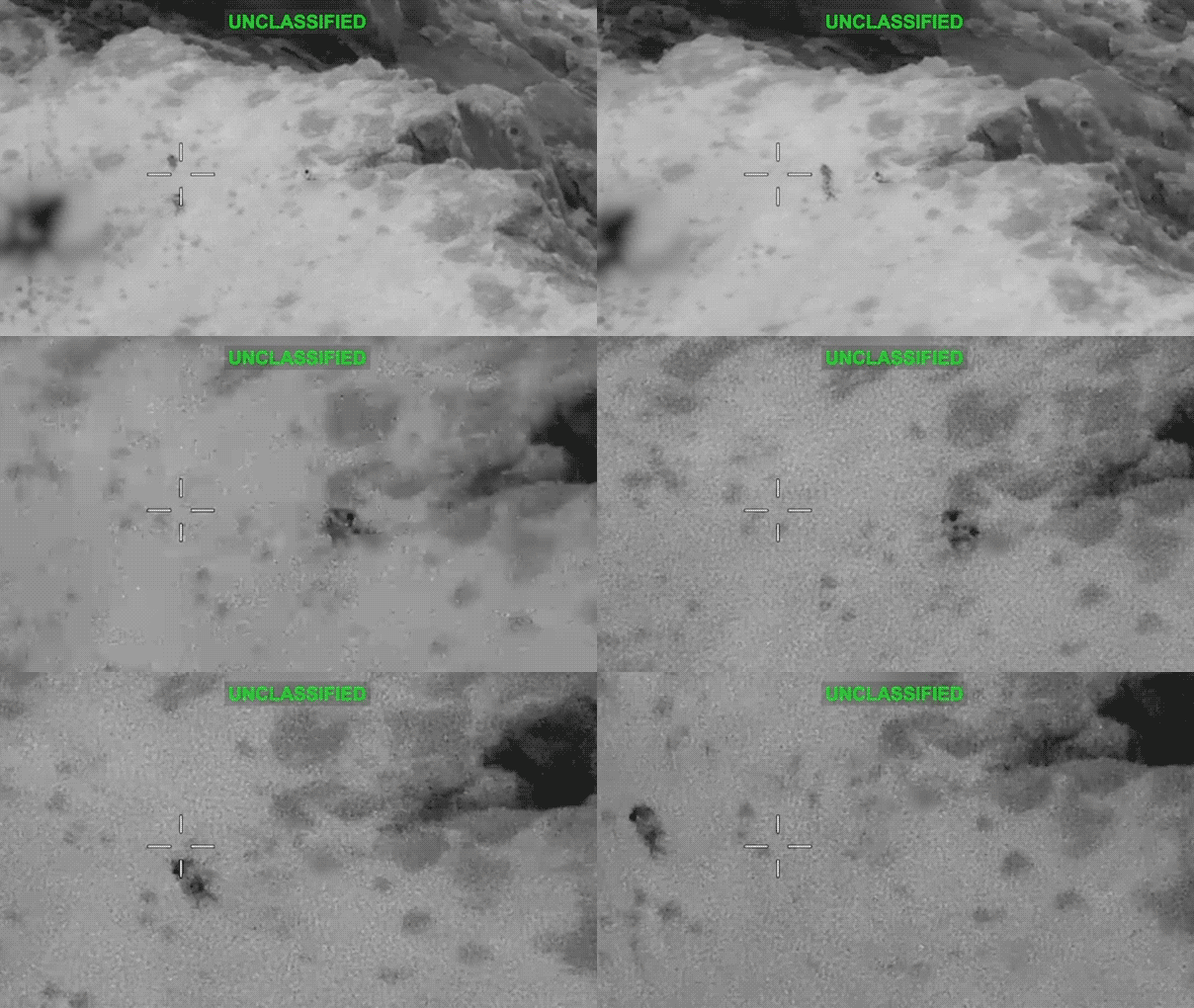
U.S. Navy SEALS have cleared many mines in the area over the past four months, but crossings still fall short of historical volumes. The U.S. has also conducted “dark” escort missions—oil tankers traveling with transponders off—to avoid Iranian attacks, a tactic that keeps the exact number of ships in the strait opaque to the public.
Military and Diplomatic Measures
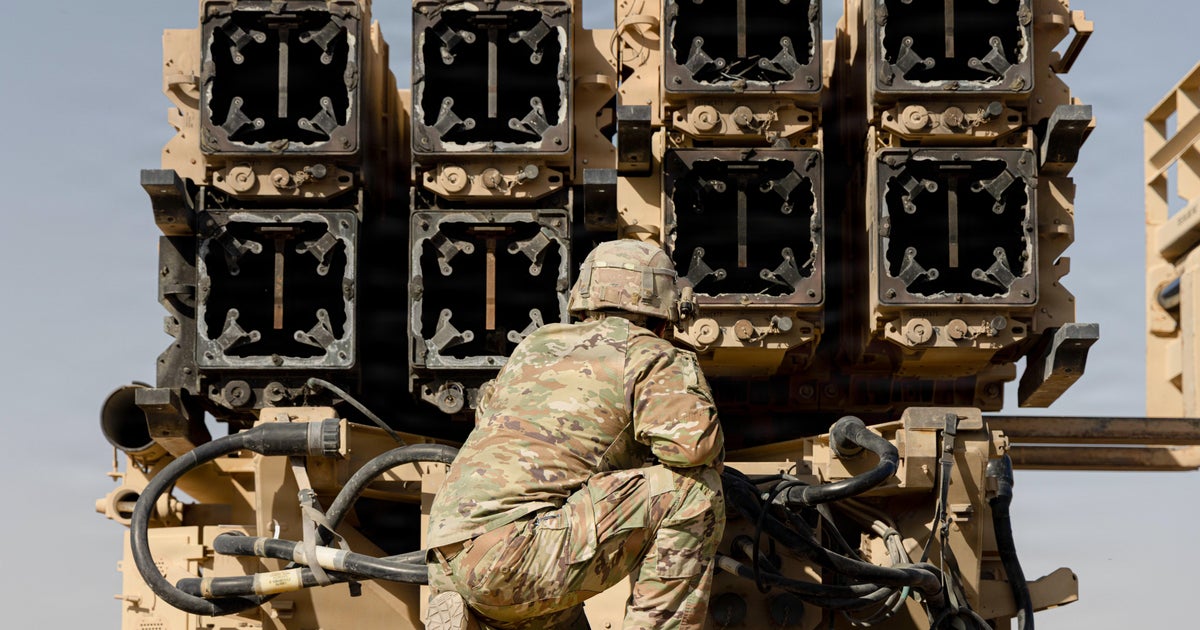
Washington has systematically degraded Iran’s missile and drone capabilities, while also targeting Iranian oil tankers and sanctioning financial institutions that support the regime’s war machine. These actions have been part of a broader strategy to neutralize Iran’s conventional military and limit its ability to project power.
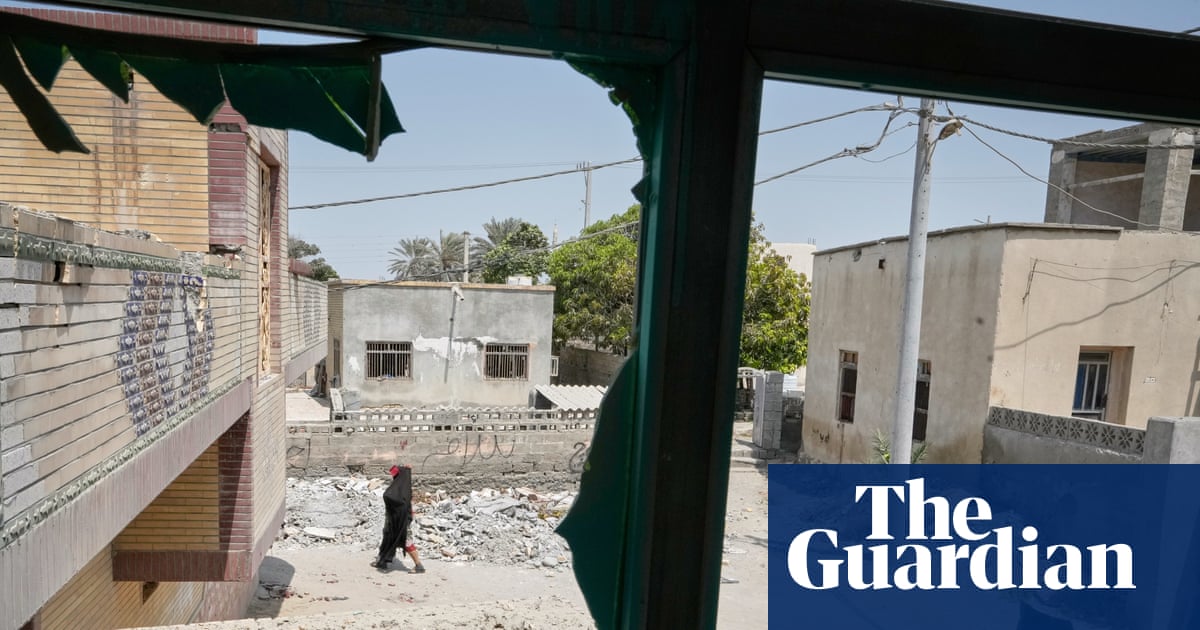
Despite these measures, Iran continues to intermittently strike commercial vessels and launch attacks on U.S. and Gulf allies’ bases. The U.S. has responded with targeted strikes and diplomatic pressure, aiming to prevent Iran from rebuilding its military prowess.
Vance’s Vision for the Post‑Midterm Phase
Vance described the conflict as having two distinct phases. The first phase, he said, involved destroying Iran’s nuclear program, conventional forces, and power projection capabilities. He believes that phase is largely complete.
The second phase, according to Vance, focuses on ensuring Iran cannot rebuild and maintaining global stability. He cited a Memorandum of Understanding signed in mid‑June that initiated a cease‑fire to pursue negotiations over Tehran’s nuclear program and wind down the conflict.
Political Context and Future Outlook
President Donald Trump, who has been a vocal advocate for a swift resolution, hinted that oil prices would tumble after the midterm elections and that the war would end immediately thereafter. Whether the administration will intensify attacks post‑election or seek a diplomatic settlement remains uncertain.
Vance’s remarks come at a time when the U.S. is balancing military pressure with diplomatic engagement. The potential for a negotiated cease‑fire could reshape the geopolitical landscape of the Middle East and affect global energy markets.
As the midterm elections approach, analysts are watching closely for any shifts in U.S. policy that could either accelerate the end of hostilities or prolong the conflict. The outcome will have lasting implications for U.S. allies, regional stability, and international trade routes.
Why It Matters
Changes in the US‑Iran conflict directly impact global oil supply, regional security, and the broader fight against nuclear proliferation. A resolution could stabilize the Gulf region and reduce the risk of accidental escalation.
Key Takeaways
- Vance predicts a new phase in the US‑Iran war after the midterms.
- The Strait of Hormuz traffic is rebounding but still below pre‑war levels.
- U.S. forces have degraded Iran’s missile, drone, and conventional military capabilities.
- A June Memorandum of Understanding has opened a path toward a cease‑fire.
- President Trump expects oil prices to fall and the war to end post‑election.
Frequently Asked Questions
- What is the significance of the Strait of Hormuz? It is a critical chokepoint through which about 20% of the world’s oil passes.
- Will the U.S. continue military operations against Iran? The U.S. is focusing on degrading Iran’s military capabilities while pursuing diplomatic solutions.
- How will the midterm elections affect the conflict? The outcome could determine whether the U.S. intensifies pressure or moves toward a negotiated settlement.
Why it matters
The evolving US‑Iran conflict influences global oil markets, regional security, and the pursuit of nuclear non‑proliferation. A resolution could stabilize the Gulf and reduce the risk of broader conflict.
Key points
- Vance foresees a post‑midterm shift in the US‑Iran war
- Strait of Hormuz traffic is recovering but still low
- US has degraded Iran’s military capabilities
- A June cease‑fire agreement opened negotiation paths
- Trump predicts oil price drop and war end after elections
Frequently asked questions
What is the significance of the Strait of Hormuz?
It is a critical chokepoint through which about 20% of the world’s oil passes.
Will the U.S. continue military operations against Iran?
The U.S. is focusing on degrading Iran’s military capabilities while pursuing diplomatic solutions.
How will the midterm elections affect the conflict?
The outcome could determine whether the U.S. intensifies pressure or moves toward a negotiated settlement.