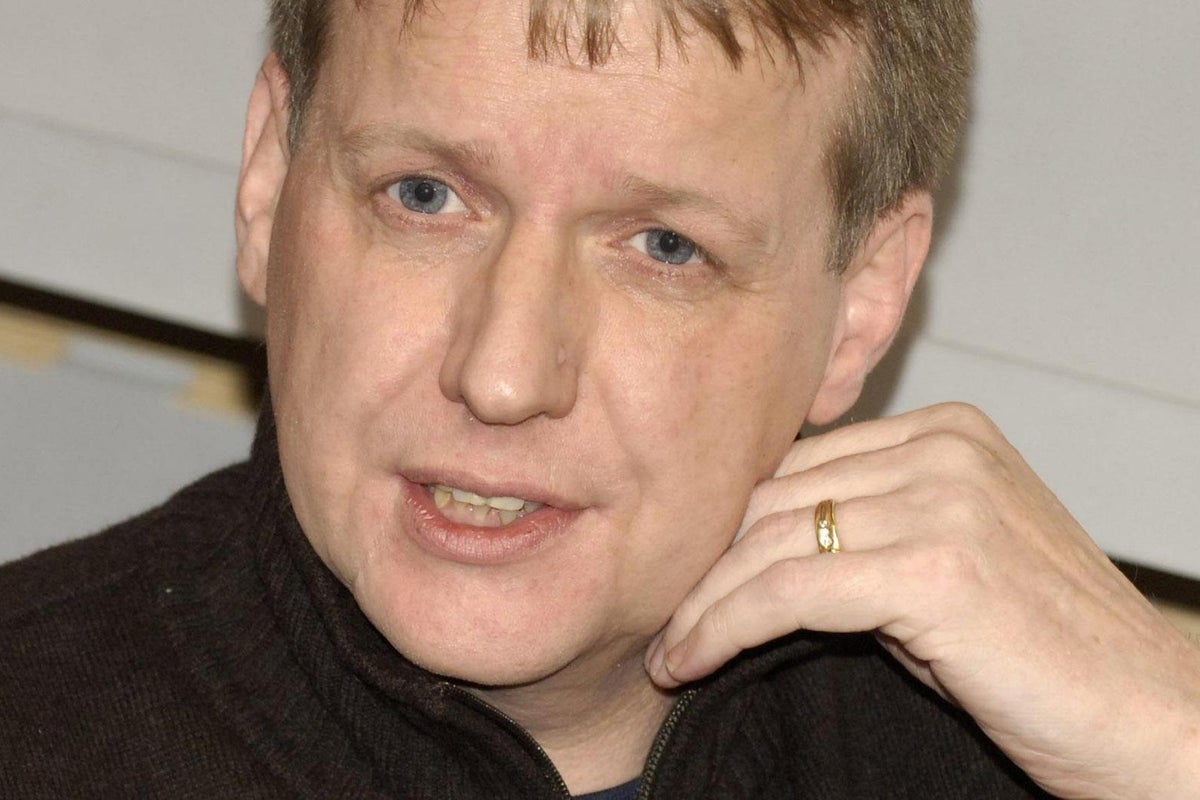
OpenAI CEO Sam Altman to Brief UN Security Council on AI Risks
OpenAI CEO Sam Altman is set to brief the United Nations Security Council on the risks posed by artificial intelligence. The briefing comes as global leaders call for coordinated regulation and as industry figures advocate slowing AI development to ensure safety.
By Felo News Desk · Published
In a move that underscores the growing urgency of AI governance, OpenAI CEO Sam Altman will speak to the United Nations Security Council next week. The briefing, scheduled during the annual UN General Assembly in New York, will focus on the safety risks associated with rapidly advancing artificial intelligence technologies and the need for a coordinated global regulatory framework.
Why the UN Security Council Matters
The Security Council, a 15‑member body that sets international peace and security policy, is currently chaired by France under its rotating presidency. By bringing the AI debate to this high‑level forum, the United Nations signals that artificial intelligence is no longer a niche tech issue but a matter with profound implications for global stability, economic equity, and human rights.
Industry Voices Call for a Pause
Over the past few weeks, several prominent AI developers have publicly urged a slowdown in the pace of AI research. Anthropic CEO Dario Amodei published an essay calling for caution, arguing that “we must slow the pace at which we improve the capabilities of AI models.” The call was echoed by OpenAI’s own Sam Altman and by Elon Musk, co‑founder of Tesla and SpaceX, who have both expressed concerns about unchecked AI progress. Google DeepMind’s Demis Hassabis added that a US‑led global regulatory body is essential to prevent misuse and unintended consequences.
These voices come amid a backdrop of resignations at major AI firms, as employees step down over fears that their work could contribute to harmful applications. The collective sentiment is that the technology’s speed outpaces the development of safety protocols and oversight mechanisms.
UN Leadership Calls for Coordinated Action
UN Secretary‑General António Guterres has been vocal about the need for coordinated international action. During a press briefing on Wednesday, he emphasized that “national action is essential. But global coordination is also indispensable.” Guterres highlighted that AI’s rapid evolution poses risks that cross borders, making unilateral measures insufficient.
The United Nations has previously addressed emerging technologies, but AI’s unique capabilities—such as autonomous decision‑making, deep learning, and large‑scale data synthesis—present new challenges that require a fresh regulatory approach. The upcoming briefing by Altman is expected to provide concrete recommendations on how to balance innovation with safety.
Political Reactions and Diverging Views
Not all political leaders share the same view on AI regulation. Former U.S. President Donald Trump has dismissed warnings about AI risks as a “hoax,” expressing skepticism about the need for tighter oversight. His stance reflects a broader debate in the United States about the balance between fostering technological innovation and protecting public safety.
In contrast, several European leaders, including France’s president, have advocated for stronger regulatory frameworks. France’s current presidency of the Security Council provides a platform to push for a multilateral treaty that could set global standards for AI development, deployment, and accountability.
What to Expect from Altman’s Briefing
While the exact agenda remains confidential, analysts predict that Altman will outline several key points:
- Evidence of AI systems producing biased or harmful outputs in real‑world applications.
- Recommendations for creating an international AI safety council under the UN umbrella.
- Proposals for a phased approach to AI deployment, including safety testing and certification.
- Calls for transparency in AI research and open‑source collaboration to mitigate risks.
Altman’s briefing is anticipated to influence the drafting of future UN resolutions on technology governance, potentially shaping the regulatory landscape for years to come.
Next Steps and Unresolved Questions
Following the briefing, the Security Council will likely consider a draft resolution that could set the groundwork for a global AI treaty. However, the path to consensus is fraught with geopolitical tensions, differing national interests, and varying levels of technological maturity. Questions remain about enforcement mechanisms, the role of private companies, and how to balance innovation with public safety.
For now, the international community watches closely as Altman’s presentation could mark a pivotal moment in the global conversation about artificial intelligence.
Key facts
- OpenAI CEO Sam Altman will brief the UN Security Council on AI risks
- Industry leaders are calling for a slowdown in AI development
- UN Secretary‑General António Guterres stresses the need for global coordination
- Political views on AI regulation vary, with some leaders dismissing concerns
- The briefing could influence the drafting of a global AI treaty
Why it matters
The briefing signals a shift toward treating AI as a global security issue, potentially leading to the first binding international regulations on the technology.
Frequently asked questions
What is the UN Security Council?
The UN Security Council is a 15‑member body that oversees international peace and security, with a rotating presidency among its members.
Why is AI considered a security risk?
AI’s rapid capabilities can lead to autonomous decision‑making, bias, and misuse that threaten societal stability and human rights.
What outcome is expected from Altman’s briefing?
The briefing aims to propose a framework for international AI regulation and could lead to a UN resolution or treaty.
Sources
- [1] gulfnews.com — originally reported as “Sam Altman to Brief UN Security Council on AI Risks and Global Regulation Next Week”