Tennessee ordered to preserve evidence after botched execution
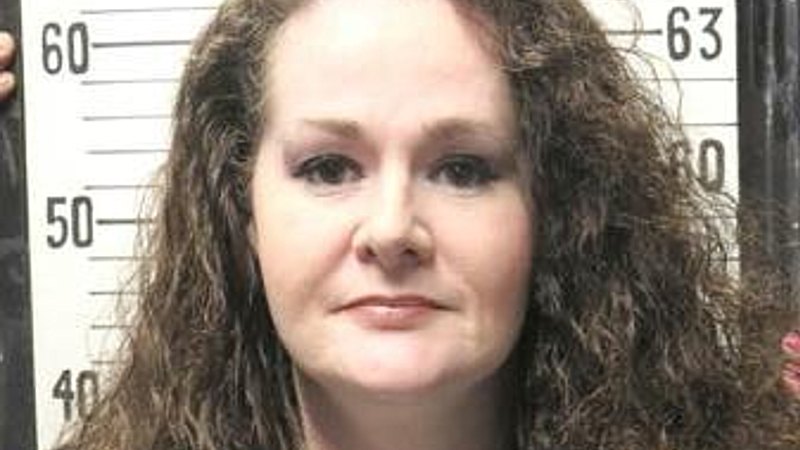
A Chancery Court judge ordered the state to save all materials from the failed execution of Christa Pike, while officials debate the cause of the botched lethal injection.
By Felo News Desk · Published
A Tennessee judge on Wednesday ordered the Department of Correction to preserve every item from the failed execution of death‑row inmate Christa Pike, following a request by her attorneys.
What happened
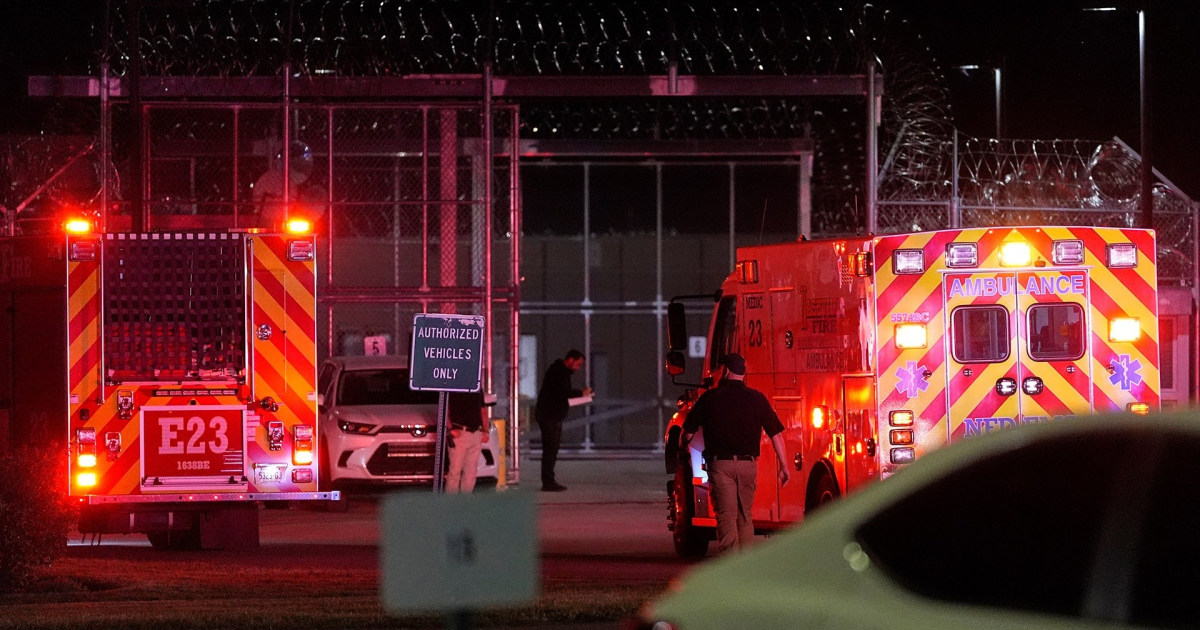
On Oct. 1, 2026, Pike, 50, was given two doses of pentobarbital at Riverbend Maximum Security Prison in Nashville. Witnesses reported she continued breathing and even snored inside the chamber, prompting medical staff to place her on a ventilator. She later regained consciousness and was transferred to Vanderbilt University Medical Center for care.
What the reports add
Independent.co.uk reported that federal public defender Luke Ihnen told the court Pike was unconscious and unable to communicate until the day before the hearing, preventing a new lawsuit without her consent. The judge, I’Ashea Myles, ordered the state to retain recordings, witness statements, emails, drugs, syringes, IV lines and any other medical items from the execution room. The Tennessee Attorney General’s Office said a court order was unnecessary, noting that evidence had already been collected and logged, according to the same outlet.
Another Independent.co.uk article added medical commentary: Dr. Jonathan I. Groner, a retired pediatric surgeon, said the 5‑gram pentobarbital dose was far larger than needed to induce a coma, suggesting that only a small amount may have entered Pike’s bloodstream, which could explain her survival.
What was said
Luke Ihnen told the court, “up until yesterday, our client was unconscious, unable to communicate with counsel, unable to communicate with medical providers, and without her consent, a new lawsuit cannot be filed,” as reported by Independent.co.uk.
John W. Ayers, assistant attorney general, said evidence from the death chamber had already been collected and logged.
Governor Bill Lee called the incident “deeply disturbing” and ordered a comprehensive, third‑party review, according to the same source.
How it came about
The botched execution follows a series of legal and procedural setbacks in Tennessee. The Sixth Circuit Court of Appeals halted Pike’s execution on Sept. 30, 2026, just before the scheduled lethal injection. After the failed attempt on Oct. 1, Governor Lee suspended all remaining executions for the rest of the year and announced the resignation of prisons chief Frank Strada, as detailed in Felo’s earlier coverage (History of botched US executions highlighted after Christa Pike survives lethal injection, Court Halts Execution of Tennessee’s First Woman in 200 Years, Tennessee prisons chief Frank Strada to resign after botched execution of Christa Pike).
Key facts
- A judge ordered Tennessee to preserve all evidence from Christa Pike's failed execution. (independent.co.uk)
- Pike received two doses of pentobarbital on Oct. 1, 2026, at Riverbend Maximum Security Prison. (independent.co.uk)
- Governor Bill Lee called the incident deeply disturbing and ordered a third‑party review. (independent.co.uk)
Timeline
- 2026-09-30 — Sixth Circuit Court of Appeals halted Pike's execution.
- 2026-10-01 — Botched execution attempt; Pike placed on ventilator.
- 2026-10-03 — Governor announced prisons chief Frank Strada will resign.
- 2026-10-07 — Judge orders preservation of execution evidence.