Brief
Qatar deputy prime minister warns energy shock from Iran war not yet peaked
Sheikh Saoud bin Abdulrahman Al Thani told the Global Security Forum that further disruptions to oil and LNG supplies are likely in the coming months.
By Felo News Desk · Published
Qatar’s deputy prime minister and defence minister, Sheikh Saoud bin Abdulrahman Al Thani, warned on Monday at the Global Security Forum in Doha that the global energy shockwaves from the US‑Israel war on Iran have not yet reached their peak.
What happened
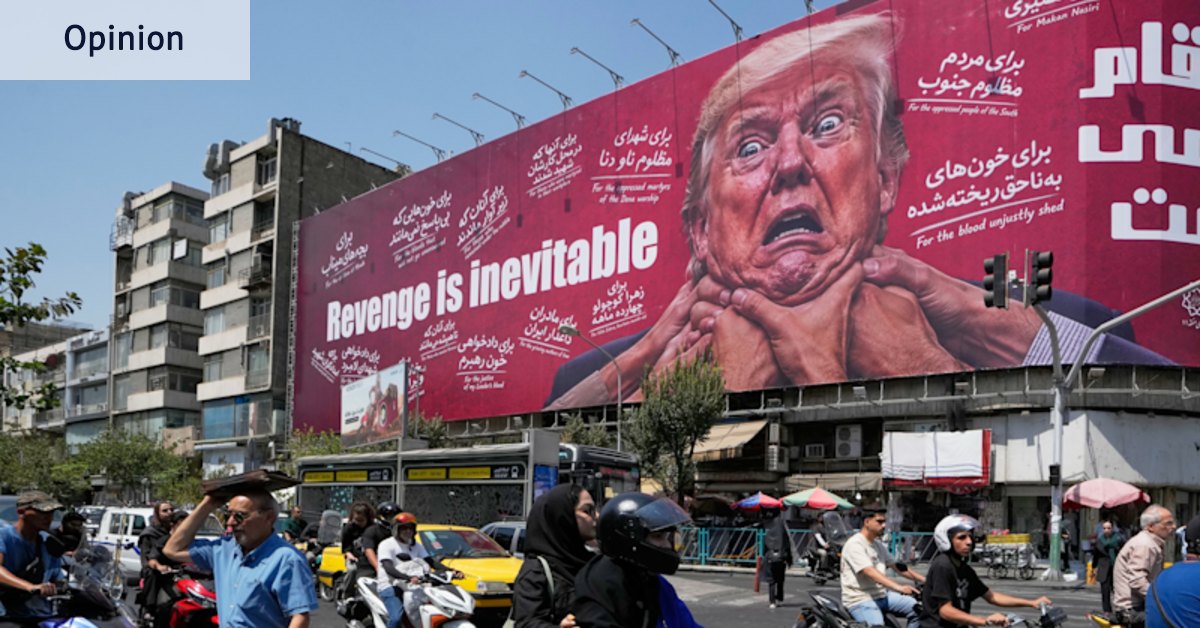
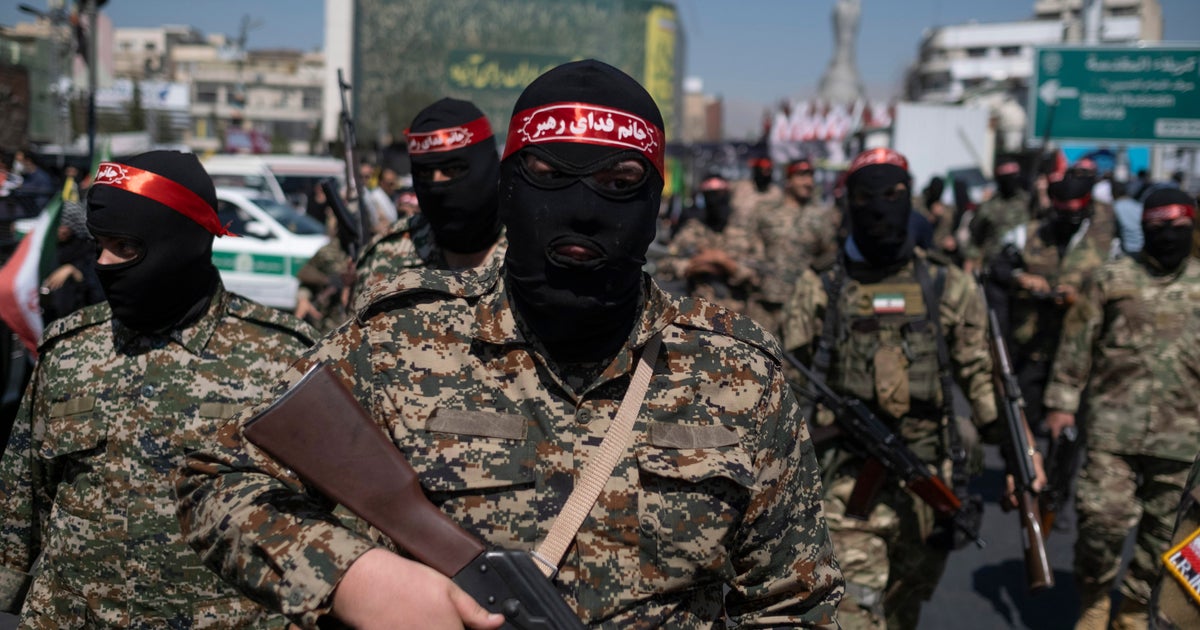
Al Thani said the war, which began with US‑Israeli strikes on Iran on 28 February, has already caused instability in the Strait of Hormuz, a key conduit for oil and liquefied natural gas (LNG). He noted that Iranian retaliation in March damaged Qatar’s Ras Laffan industrial complex, with repairs expected to take several years.
What the reports add
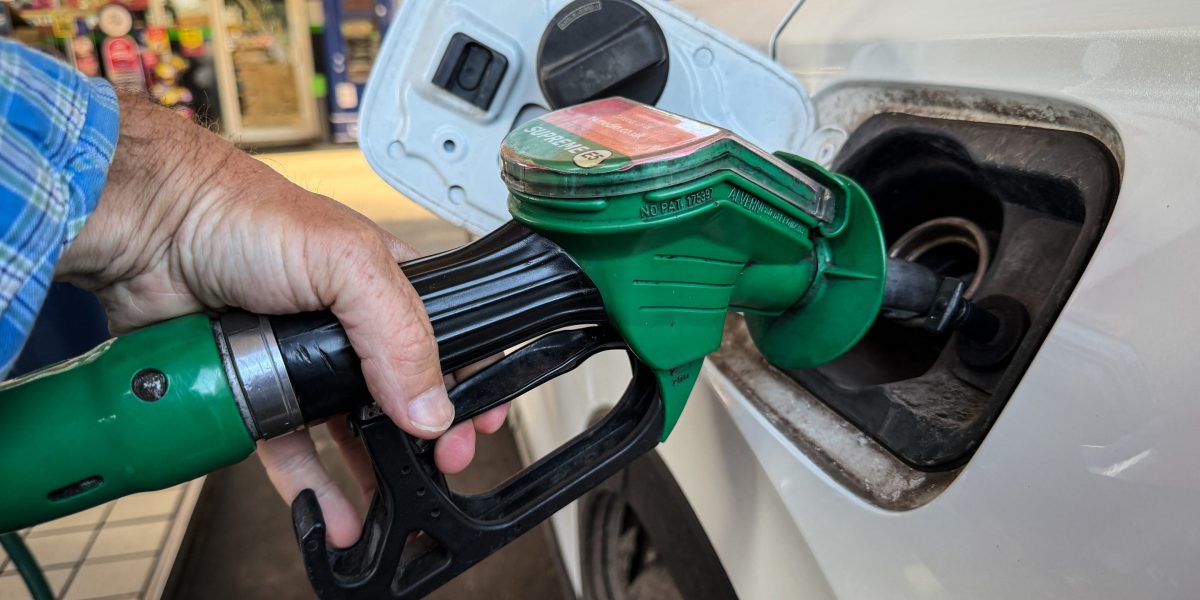
Al Thani highlighted two specific concerns: the risk of further attacks on energy infrastructure and the prospect of transit fees being imposed on ships passing through the Strait of Hormuz. He argued that such fees would increase uncertainty and ultimately raise costs for consumers worldwide.
What was said
"We haven’t reached the peak with respect to energy," Al Thani told Al Jazeera, adding that additional repercussions are likely “in the coming days and months.” He said Qatar was surprised by the March strike on Ras Laffan and that “a lot of discussion with Iran” has taken place since. Regarding communication with Tehran, he said, "We never stop our communication," and described the pre‑attack relationship as one of trust based on shared offshore gas fields and economic ties.
How it came about
The remarks follow a series of regional escalations documented by Felo News, including the EU’s €100 billion surge in energy costs after the Iran war (EU energy costs surge) and analysts’ warnings that Iran may intensify actions before the U.S. midterms (Iran war escalation before US midterms). Al Thani called for broader regional dialogue involving GCC states, Pakistan, Turkiye and international allies to achieve a sustainable settlement.
Key facts
- Qatar’s deputy prime minister warned that global energy shockwaves from the Iran war have not yet peaked. (aljazeera.com)
- Iranian strikes in March damaged Qatar’s Ras Laffan industrial complex, with repairs expected to take several years. (aljazeera.com)
- Al Thani opposed imposing transit fees on ships in the Strait of Hormuz, saying they would affect consumers worldwide. (aljazeera.com)
- He said Qatar continues communication with Tehran despite recent attacks. (aljazeera.com)
Sources
- [1] aljazeera.com — originally reported as “Qatar warns global energy shockwaves from Iran war have yet to peak”