Brief
Ancient South African Rocks Show Phosphorus Boosted Early Atmospheric Oxygen
UC Riverside geologist Andrey Bekker's team links phosphorus cycles to sustained oxygen levels 2 billion years ago.
By Felo News Desk · Published
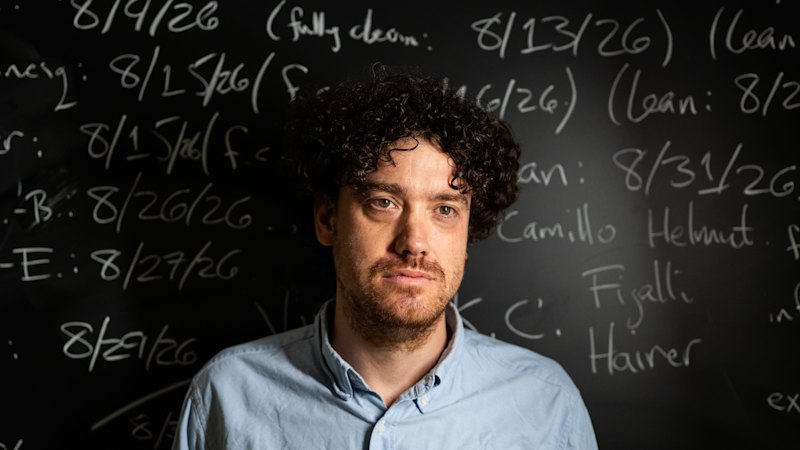
Researchers analyzing 2‑billion‑year‑old rocks from South Africa have identified a phosphorus‑driven feedback that may have helped keep oxygen levels high after the Great Oxidation Event, according to a study published in Nature Communications.
The team, led by UC Riverside geologist Andrey Bekker, examined the mineral composition of the ancient rocks, chemically separating phosphorus bound to each mineral. Their analysis suggests that as oxygen entered the oceans, sulfate concentrations rose, enabling microbes to break down organic matter more efficiently. This process released additional phosphorus back into seawater, fueling further biological growth.
Bekker explained, “Living things cannot grow or function properly without phosphorus. Once more of it became available in the oceans, it allowed more organic carbon to be buried. A side effect of that process is that more oxygen continued to be released into the atmosphere.”
Increased biological productivity, driven by the recycled phosphorus, led to greater burial of organic carbon in sediments. Because buried carbon does not react with atmospheric oxygen, less oxygen was consumed, allowing the gas to remain elevated.
The findings provide a mechanistic link between ocean chemistry, microbial activity, and the long‑term stability of Earth’s early oxygen‑rich atmosphere, complementing previous work on the Great Oxidation Event that occurred around 2.3 billion years ago.
Key facts
- The study examined 2‑billion‑year‑old South African rocks to trace phosphorus cycles. (scitechdaily.com)
- Researchers link phosphorus recycling to sustained atmospheric oxygen after the Great Oxidation Event. (scitechdaily.com)
- Andrey Bekker of UC Riverside led the study published in Nature Communications. (scitechdaily.com)
- Microbial use of sulfate released phosphorus, boosting biological productivity and organic carbon burial. (scitechdaily.com)
Sources
- [1] scitechdaily.com — originally reported as “2 Billion-Year-Old Rocks Reveal How Life Helped Stabilize Earth’s Atmosphere”