Brief
Orionid Meteor Shower Peaks Oct. 21‑22 with Up to 20 Meteors per Hour
Viewers in the U.S. can see up to 20 bright, fast meteors per hour between dusk on Oct. 21 and dawn on Oct. 22, according to Wired.
By Felo News Desk · Published
The Orionid meteor shower, produced by debris from Halley’s Comet, will be at its peak overnight on October 21‑22, 2026, offering observers the chance to see up to 20 meteors per hour in dark conditions, Wired reported.
What happened
The shower began earlier in October and will continue until November 7, but the optimal viewing window in the United States is from dusk on October 21 through dawn on October 22. During this period, dark skies can reveal as many as 20 meteors per hour, though the moon will be three‑quarters full, potentially obscuring fainter streaks.
What the reports add
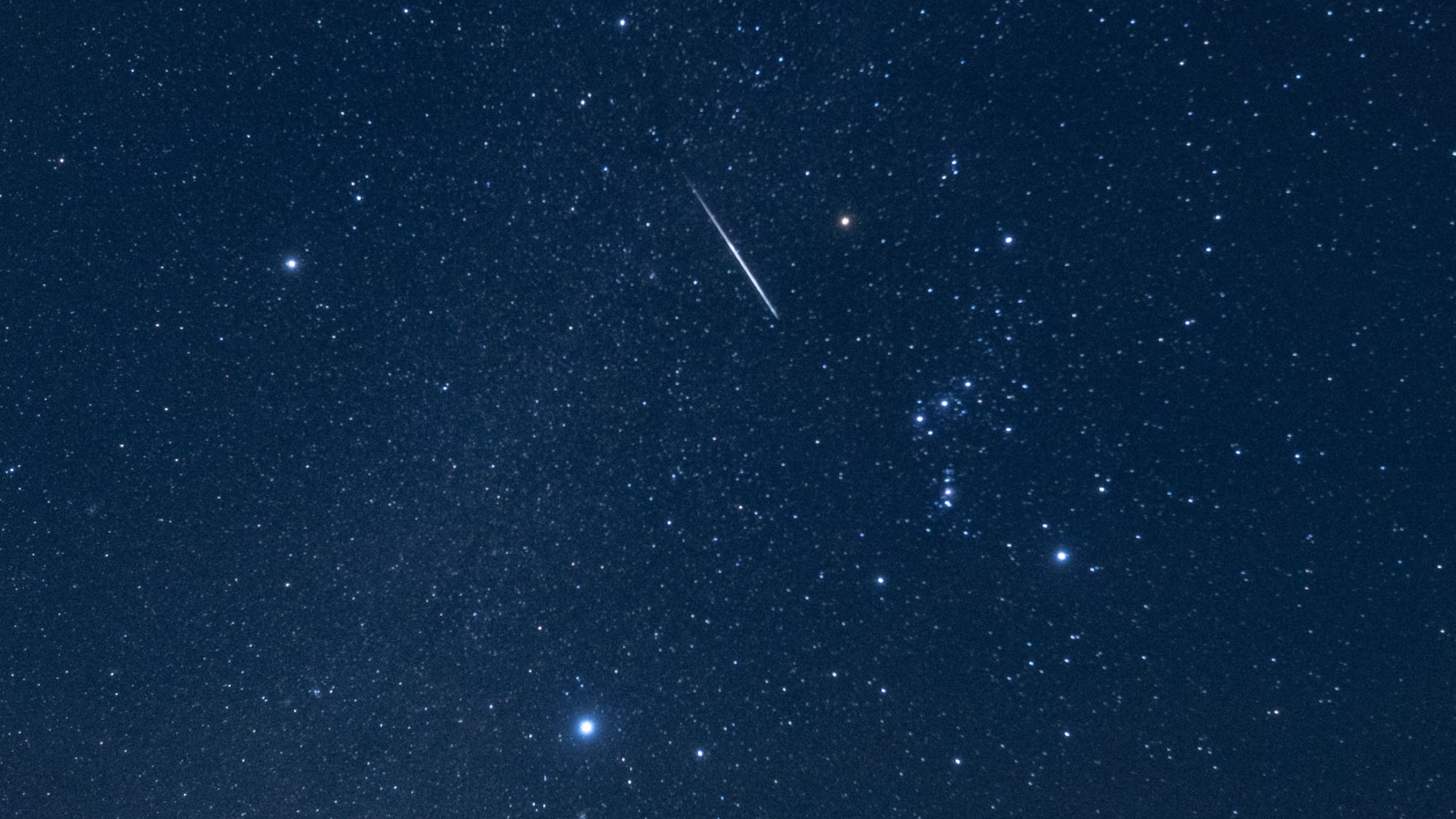
Wired notes that the meteors are especially bright and fast, with some turning into fireballs bright enough to rival Venus. The outlet also mentions that early‑morning viewing, after the moon sets and before sunrise, provides the darkest conditions. An image captured by a NASA meteor‑monitoring camera at the Marshall Space Flight Center in Alabama in October 2025 shows the Orionid radiant near the lower‑left corner of the frame, illustrating the typical appearance of the shower.
What was said
Wired explains, "Find a dark sky and you may see up to 20 meteors an hour," and adds that "especially fast meteors can turn into ‘fireballs,’ becoming as bright as the planet Venus." The article also describes the shower’s radiant as originating from the constellation Orion, though observers do not need to locate Orion to enjoy the display.
How it came about
The Orionid shower is caused by Earth passing through streams of small fragments left by Halley’s Comet. While Halley itself will not be visible for decades, its debris creates the annual meteor display. Earlier this month, Saturn reached opposition, providing a long‑night viewing opportunity for amateur astronomers, and a decagonal pattern was observed on Saturn’s south pole, a recent discovery highlighted by NASA and ESA.
Key facts
- The Orionid meteor shower peaks overnight on Oct. 21‑22, 2026. (wired.com)
- Up to 20 meteors per hour can be seen in dark skies during the peak. (wired.com)
- The moon will be three‑quarters full, potentially obscuring fainter meteors. (wired.com)
- Some meteors may appear as fireballs bright enough to rival Venus. (wired.com)
Timeline
- 2026-10-01 — Orionid meteor shower begins
- 2026-10-21 — Orionid peak begins at dusk in the U.S.
- 2026-10-22 — Orionid peak ends at dawn
Sources
- [1] wired.com
- [2] independent.co.uk