Astronomers identify July 22 1889 sky in Van Gogh’s The Starry Night
A study published in Scientific Reports says the painting matches the pre‑dawn sky of July 22 1889, featuring the Hyades in Taurus, a waning crescent moon and Venus.
By Felo News Desk · Published
Researchers published in Scientific Reports say the night sky depicted in Vincent van Gogh’s 1889 painting The Starry Night matches the pre‑dawn heavens over Saint‑Rémy‑de‑Provence on July 22, 1889.
What happened
The team used astronomical simulations, historical weather data and van Gogh’s own letters to reconstruct the sky visible from the artist’s window in the Saint‑Paul‑de‑Mau‑Observatory asylum. Their analysis shows that on the early morning of July 22, 1889 a waning crescent moon, the planet Venus and the Hyades star cluster in Taurus were positioned as they appear in the painting.
What the reports add
Scientific American notes that earlier studies had identified the cluster as part of Aries, but the new paper argues it is the V‑shaped Hyades within Taurus, observable on July 22, 1889. Gizmodo reports that the researchers describe their work as “forensic astronomy” and say the evidence collectively points to a late‑July date, overturning the previously accepted mid‑June timeframe. PopSci highlights that the Hyades, Venus and the crescent moon are all visible together in the early dawn sky, matching the painting’s composition. The Independent adds that the lead author, Elijah Jeong‑hyun Kim, was motivated by dissatisfaction with earlier Aries‑based interpretations.
What was said
Elijah Jeong‑hyun Kim, the study’s first author and a PhD candidate at Kyung Hee University, told Scientific American, “To my eyes, the star cluster in The Starry Night was the Hyades in Taurus. But earlier studies explained it as Aries.” He repeated a similar sentiment to Gizmodo, saying, “This study shows that the sky depicted in The Starry Night corresponds observationally and geometrically with the actual dawn sky around July 22.” The Independent quoted Kim saying, “To an observational astronomer, the cluster of stars in The Starry Night is the Hyades in Taurus.”
How it came about
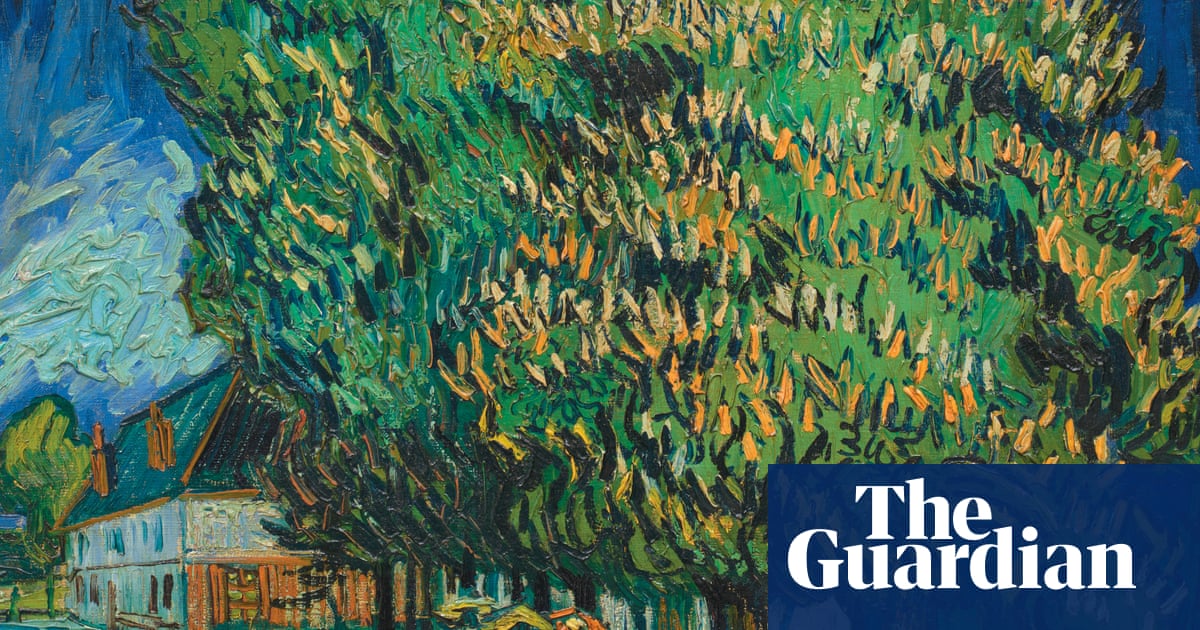
For decades astronomers have debated whether Van Gogh painted a symbolic sky or a real one. Mid‑1980s studies suggested a June 1889 view, but conflicting conclusions persisted. The new research builds on those earlier attempts, incorporating modern simulation tools and a detailed review of van Gogh’s correspondence. Felo News previously covered Van Gogh’s works in the context of upcoming auctions and exhibitions, such as the Hong Kong queue for the 1890 “Châtaigniers en fleurs” painting (see article) and the November 18 auction of the Blaquier‑Arrieta collection (see article). This latest astronomical finding adds a scientific dimension to the ongoing public fascination with Van Gogh’s oeuvre.
Key facts
- The Starry Night matches the pre‑dawn sky over Saint‑Rémy on July 22 1889. (gizmodo.com)
- The sky includes the Hyades star cluster in Taurus, a waning crescent moon and Venus. (popsci.com)
- The study was published in Scientific Reports on October 22 2026. (scientificamerican.com)
- Lead author Elijah Jeong‑hyun Kim is a PhD candidate at Kyung Hee University. (independent.co.uk)
Sources
- [1] scientificamerican.com
- [2] gizmodo.com
- [3] popsci.com
- [4] independent.co.uk
- [5] theguardian.com
- [6] dailymail.co.uk