Brief
October stargazing: Saturn and its moons visible to the naked eye
Saturn will be at opposition on 4 October, offering a bright naked‑eye sight and a chance to spot moons like Titan and Enceladus.
By Felo News Desk · Published
Saturn will be at its closest and brightest on 4 October 2026, appearing as a bright star in the Pisces constellation, according to Independent. The planet lies about 1,262 million km from Earth and can be seen without optical aid, though its rings require binoculars or a telescope.
The ring system, the largest in the Solar System, stretches almost from Earth to the Moon and reflects extra sunlight when Saturn is at opposition, making the planet marginally brighter than the night before or after.
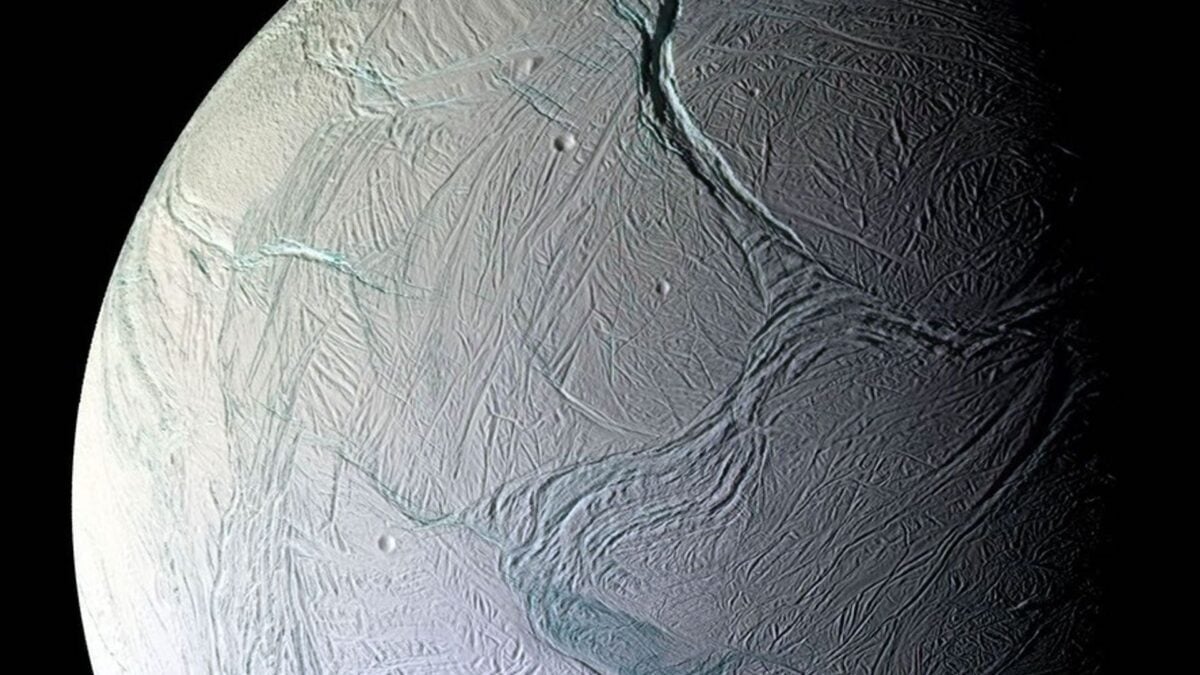
Saturn hosts 293 known moons. The most easily observed with a small telescope is Titan, the only moon with a thick nitrogen‑rich atmosphere and surface pressure about 50 % higher than Earth’s. With modest equipment, observers may also glimpse Mimas, which resembles the Death Star, and Enceladus, noted for white‑ice geysers that spew from hidden oceans. Larger moons such as Tethys, Dione, Rhea and Iapetus are each roughly 1,000–1,500 km across; Iapetus shows a stark contrast between a coal‑black and a snow‑bright hemisphere.
Key facts
- Saturn reaches opposition and its brightest view on 4 October 2026. (independent.co.uk)
- The planet is about 1,262 million kilometres from Earth at that time. (independent.co.uk)
- Saturn has 293 known moons, with Titan having an atmosphere 50 % denser than Earth's. (independent.co.uk)
- Mimas looks like the Death Star and Enceladus shows geysers from icy oceans. (independent.co.uk)
Sources
- [1] independent.co.uk — originally reported as “Stargazing in October: Titan and Saturn’s moons”