Brief
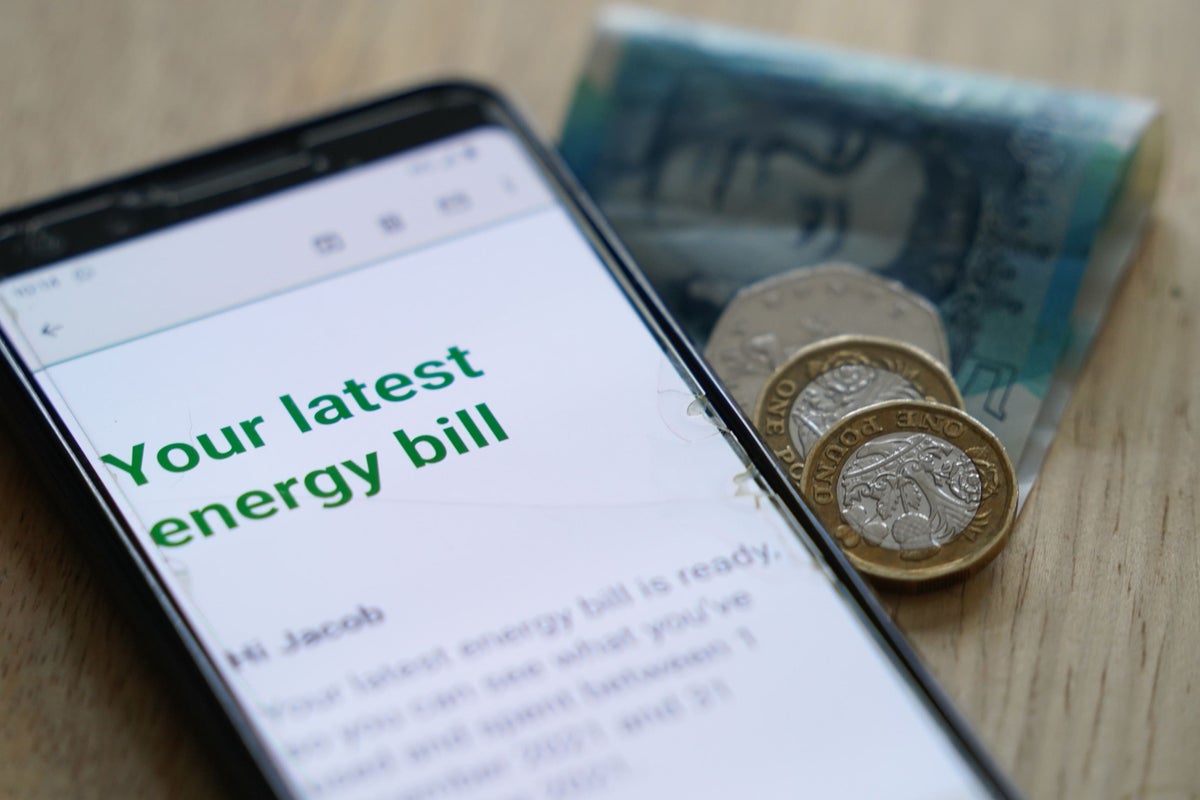
Martin Lewis warns fixed‑tariff customers may still see higher energy bills
Lewis says higher usage and direct‑debit estimates can raise bills despite a fixed rate.
By Felo News Desk · Published
Money Saving Expert founder Martin Lewis told the site that, although a fixed‑tariff shields customers from Ofgem’s 4% price‑cap rise on 1 October, bills can still increase.
What happened
Ofgem raised the UK energy price cap by 4%, adding about £5 a month to the average household bill, now £1,723 a year. Lewis said the cap applies only to standard tariffs, not to fixed‑rate contracts.
What the reports add
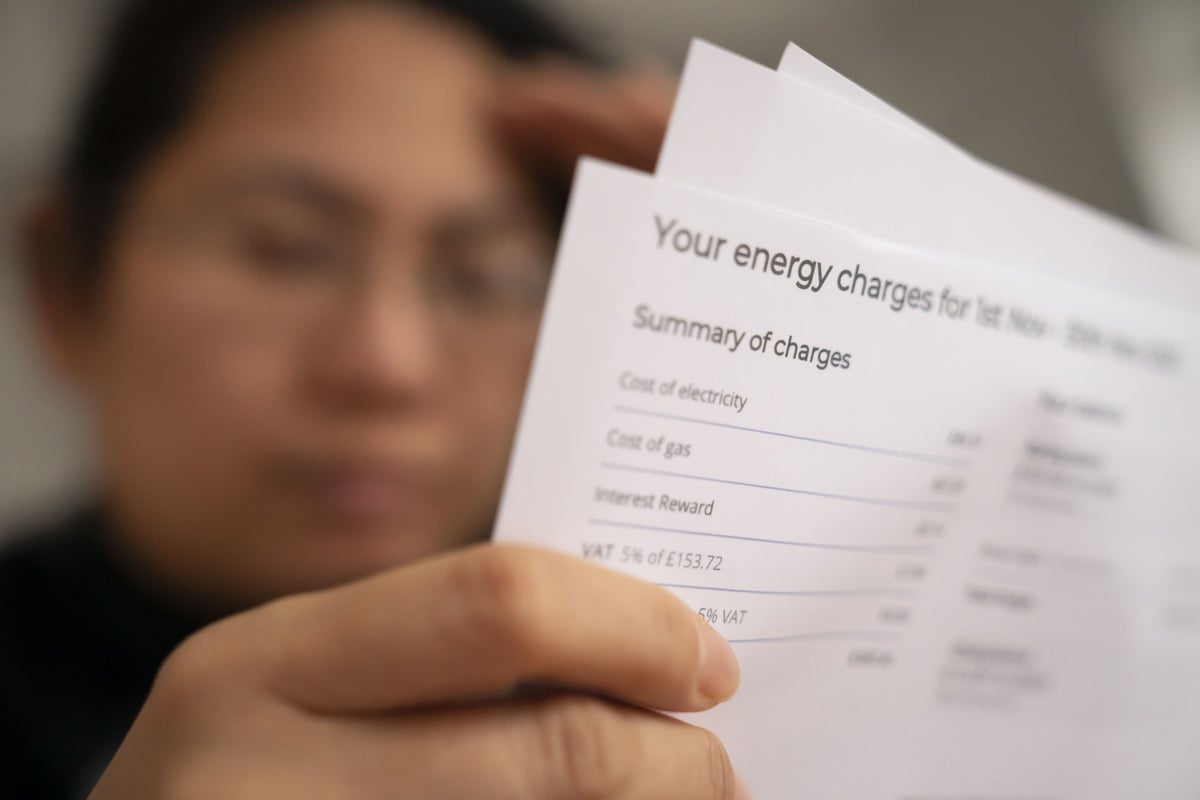
Lewis explained two reasons a fixed‑tariff bill may climb: higher household consumption and the way monthly direct‑debit estimates are calculated. He said the unit rate is locked, but using more units raises the total cost. He also warned that direct‑debit providers may over‑estimate usage, forcing customers to prove lower consumption to adjust the estimate.
What was said
“What’s locked in is the rate you pay for each unit of energy you’re using. If you use more units of energy you’re going to pay more,” Lewis said in a Money Saving Expert video.
“If you are on a monthly direct debit, they estimate that you’re using more even if you’re not,” he added.
How it came about
Lewis has repeatedly highlighted that the October cap rise is “voluntary” for fixed‑tariff customers. He urged consumers to compare offers now, noting that a cheap fix can still be cheaper than the standard tariff, which is expected to rise another 20% in January.
Key facts
- Ofgem raised the energy price cap by 4% on 1 October, increasing the average annual bill to £1,723. (independent.co.uk)
- A fixed‑tariff locks the unit rate but not the total bill if usage rises. (independent.co.uk)
- Direct‑debit estimates can cause higher bills even when consumption does not increase. (independent.co.uk)
Sources
- [1] independent.co.uk — originally reported as “Martin Lewis warns fixed tariffs won’t stop your energy bill rising - how to avoid it”