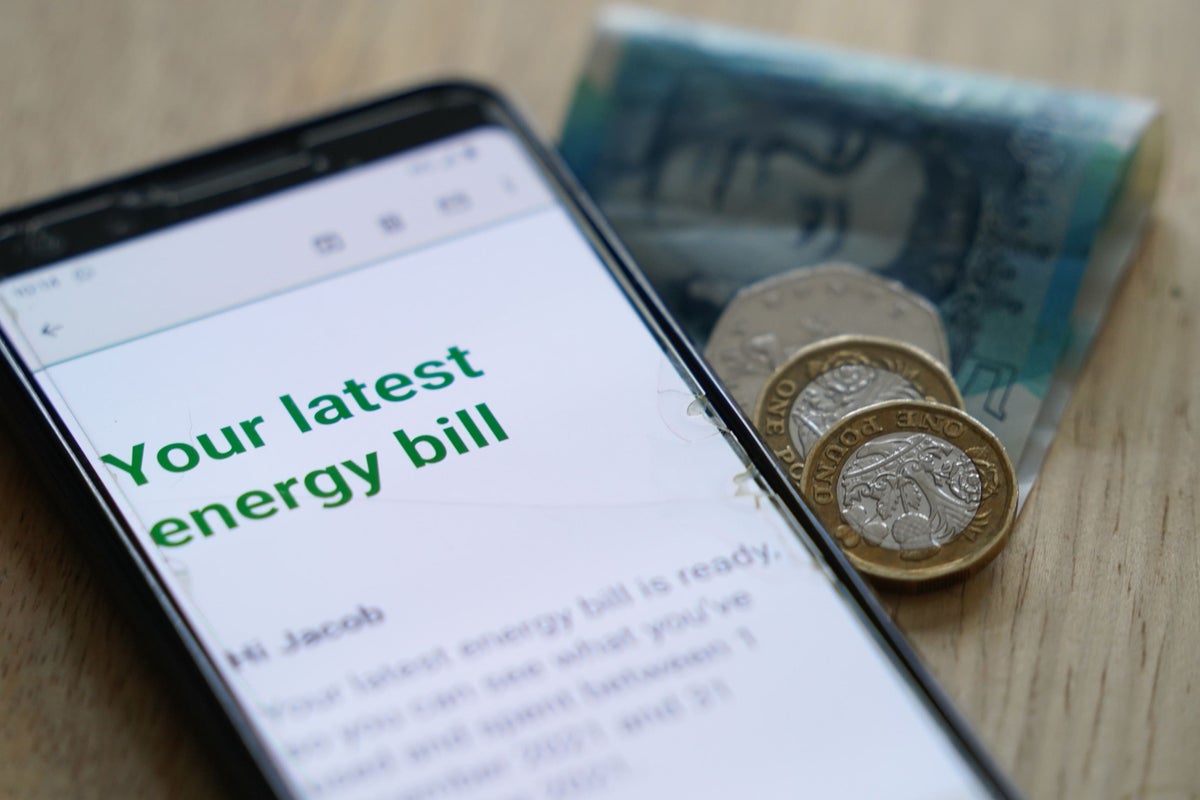
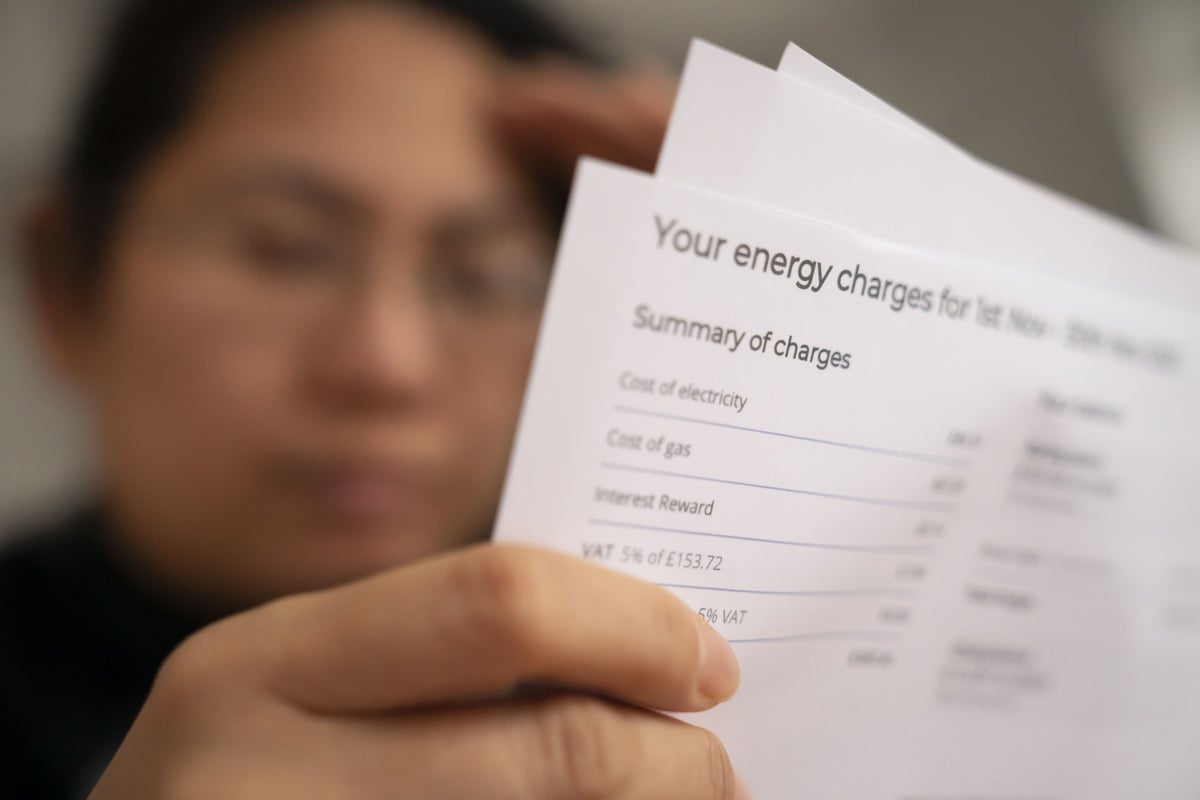
UK energy price cap rises 4% to £1,723 as VAT on electricity is suspended
The cap increase affects over four million homes and saves about £45 a year on electricity, while experts warn of a further 16% jump in January.
By Felo News Desk · Published
From 1 October the UK energy price cap rose 4%, taking the average direct‑debit household bill for gas and electricity to £1,723, according to both the Standard and the Independent.
What happened
On 1 October 2026 Ofgem implemented a 4% increase to its price‑cap, raising the typical dual‑fuel bill by £5 a month – £60 a year if the level holds for twelve months. More than four million homes on a standard tariff are subject to the rise. Simultaneously, the government suspended the 5% VAT on electricity until 31 March 2027, a measure expected to cut around £45 from the average annual bill, while VAT on gas remains in place.
What the reports add
The Standard noted that the average bill now stands at £1,723 and highlighted warnings that household costs could climb by almost £300 in January. It cited Cornwall Insight’s forecast of a further 16% increase to £1,999 a year on 1 January, attributing the jump to the Iran‑related conflict that has closed the Strait of Hormuz. The Independent echoed the £1,723 figure and the VAT suspension, adding that the policy was announced in July as one of Prime Minister Andy Burnham’s first moves to ease bills. Both outlets linked the October rise to higher wholesale gas prices caused by the ongoing Middle‑East conflict.
What was said
Prime Minister Andy Burnham said the VAT suspension was “one of the first steps” to protect families from rising energy costs, as reported by the Independent. Cornwall Insight analysts warned that the January forecast “could push the typical dual‑fuel bill up by almost £300”, according to the Standard.
How it came about
The October cap increase follows Ofgem’s regular quarterly review and reflects volatile global gas markets. Earlier this month Felo reported on the same price‑cap rise (Ofgem price cap set to rise 4% in October, with further jump forecast for January) and on Cornwall Insight’s January forecast (Cornwall Insight forecasts UK household energy bills to jump nearly £300 in January amid Iran war). The government’s decision to suspend electricity VAT was announced in July as part of Burnham’s initial energy‑cost relief package.
Key facts
- Ofgem raised the energy price cap by 4% on 1 October, lifting the average household bill to £1,723. (standard.co.uk)
- More than four million homes on standard tariffs are affected by the October cap increase. (independent.co.uk)
- The government suspended the 5% VAT on electricity until 31 March 2027, saving about £45 per year for the average payer. (independent.co.uk)
- Cornwall Insight forecasts a further 16% rise to £1,999 a year on 1 January 2027. (standard.co.uk)
Timeline
- 2026-07-01 — Prime Minister Andy Burnham announced VAT suspension on electricity as part of initial relief measures.
- 2026-09-30 — Felo published analysis of the upcoming 4% price‑cap rise and Cornwall Insight’s January forecast.
- 2026-10-01 — Ofgem implements 4% price‑cap increase; VAT on electricity suspended.
Why it matters
The combined effect of the cap rise and VAT suspension determines household energy costs through the winter, while the January forecast signals a potential sharp increase later in the year.
What happens next
Consumers are advised to check their meters and consider smart‑meter options before the end of the month to avoid higher charges; the government will review further relief measures ahead of the January forecast.
Sources
- [1] standard.co.uk
- [2] independent.co.uk