Ceasefire in Ukraine's Kherson region ends as Russia declines extension
The five‑year war’s longest local truce in Kherson concluded Sunday evening after Russia rejected Kyiv’s request for an extension.
By Felo News Desk · Published
The five‑year Ukraine war’s longest localized truce in the Kherson region ended late Sunday, after a senior Kyiv official said Russia refused a Ukrainian request to extend the cease‑fire.
What happened
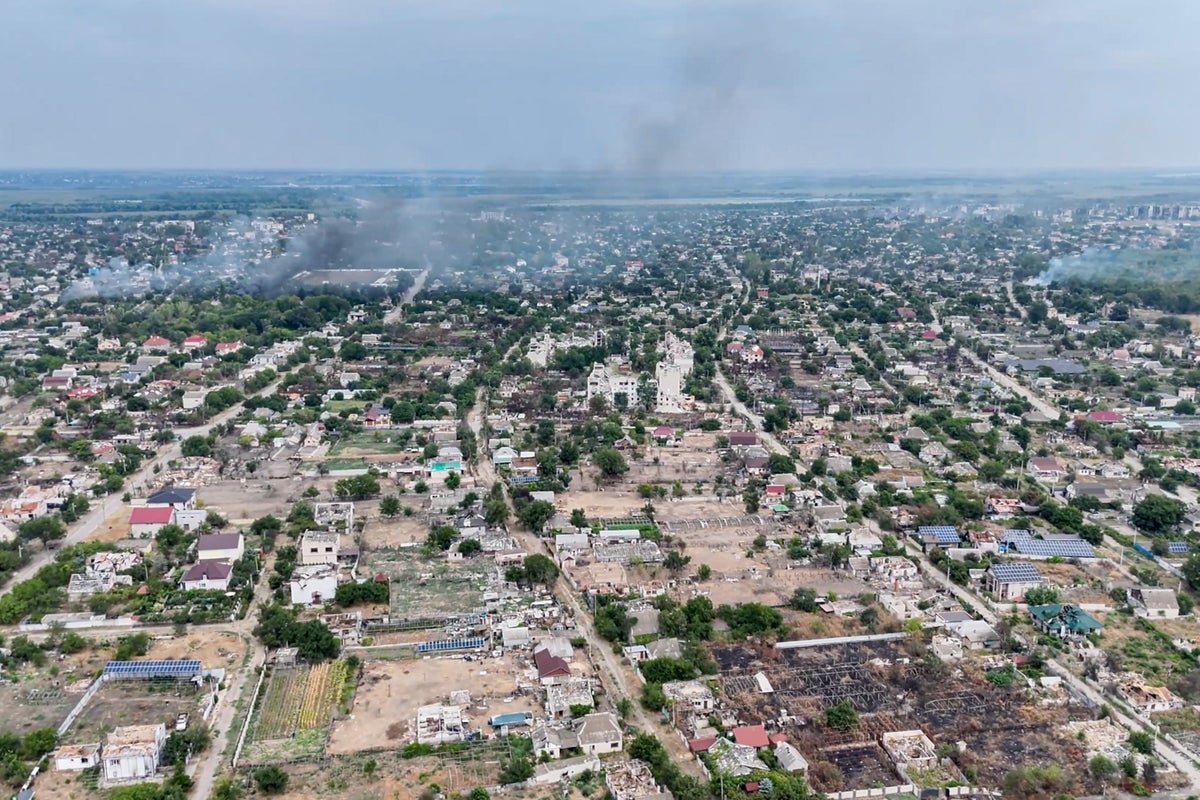
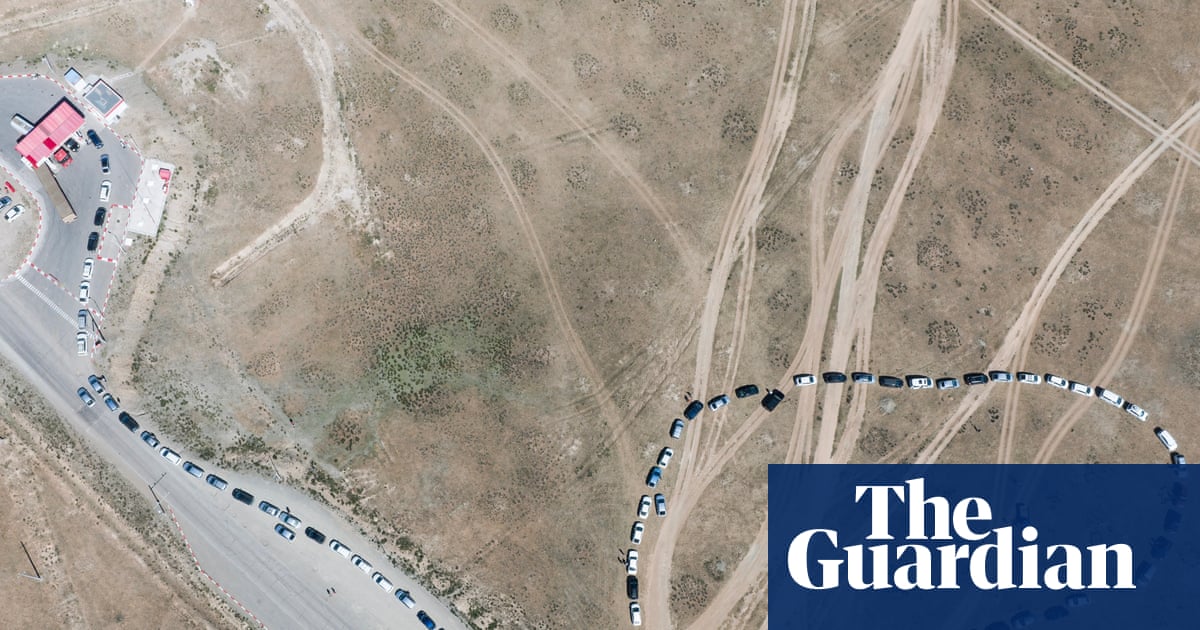
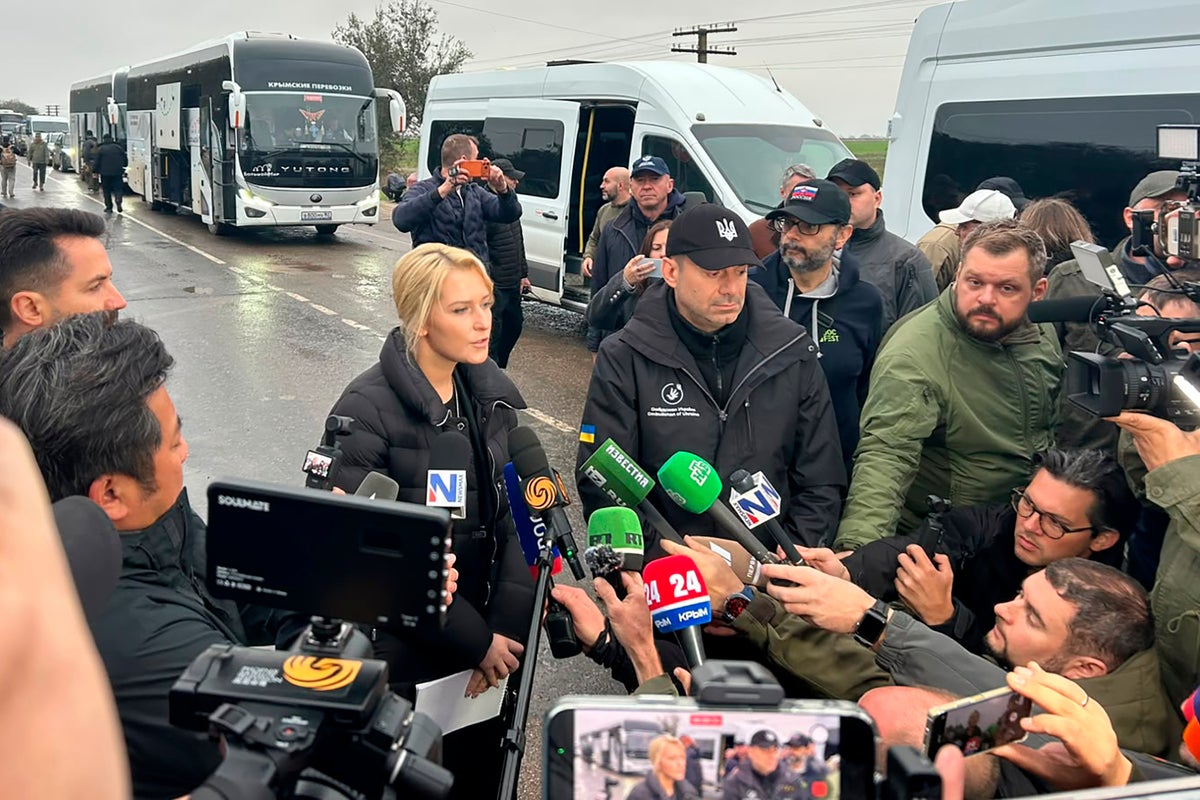
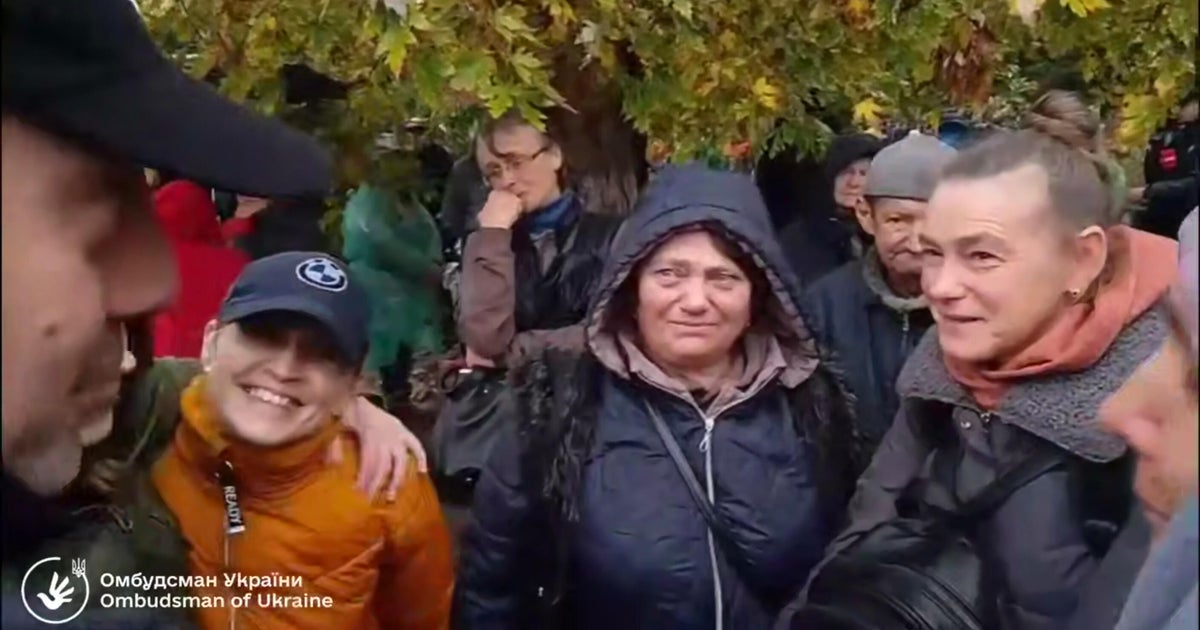
The pause, confined to the Russian‑occupied city of Oleshky and its environs, started early on Tuesday, 27 October 2026 at 01:00 GMT. It enabled a humanitarian convoy that evacuated roughly 2,000 residents and delivered food and medical aid. Both sides reported no breaches during the lull. The agreement was set to lapse on Sunday evening, 1 November 2026.
What the reports add
- France 24 noted that a senior Kyiv official said Moscow “doesn’t want” an extension, and quoted a Ukrainian lawmaker who called the pause the “biggest de‑escalation since 2022”.
- The Independent reported that the White House confirmed U.S. First Lady Melania Trump helped broker the cease‑fire, and that aerial strikes continued elsewhere, with President Volodymyr Zelenskyy warning that Russia was still targeting energy infrastructure ahead of winter.
- France 24 also mentioned that Pope Leo XIV had appealed for dialogue during the truce.
- According to France 24, Russian forces used the calm to reposition troops, move ammunition and conduct drone surveillance of Ukrainian positions.
- Kherson regional governor Oleksandr Prokudin warned residents to stay alert for renewed attacks once the pause ended.
- The Independent added that a drone reportedly struck an industrial site east of Moscow, and Ukrainian media said Kyiv hit the Kstovo oil refinery, one of Russia’s largest fuel producers.
- U.S. President Donald Trump was said to have urged Kyiv to curb strikes on Russian energy sites, citing rising diesel prices.
What was said
"We have to use this time to get things done," said Volodymyr Omeltchenko, a 38‑year‑old gardener in Oleshky (France 24).
"Don't be afraid, keep holding on," urged Oleksandr Knyha, head of the Mykola Kulish Kherson Regional Academic Music and Drama Theater, as he opened a concert during the cease‑fire (Independent).
"Of course, we want peace to finally come," Knyha added, noting the theatre would continue performances despite the conflict.
Costume maker Alla Vasylenko, 58, said the quiet still unsettles her, arguing that “believing the Russians means not believing yourself” and that she cannot leave because of her ten dogs (Independent).
President Zelenskyy posted on X that Russia was intensifying strikes on Ukraine’s energy systems, leaving hundreds of thousands without power ahead of winter (Independent).
How it came about
The truce was mediated by the United States and publicly credited to First Lady Melania Trump. Earlier coverage detailed the start of the cease‑fire on 27 October, describing its humanitarian aims and limited geographic scope, and a 26 October report noted the Kremlin’s acknowledgement that the pause applied only to Oleshky and did not affect fighting elsewhere.
Key facts
- The localized cease‑fire in Kherson began on 27 October 2026 at 01:00 GMT. (france24.com)
- Around 2,000 civilians were in Oleshky when the truce started. (independent.co.uk)
- Russia refused Kyiv’s request to extend the cease‑fire, according to a senior Kyiv official. (france24.com)
- The truce ended late on Sunday, 1 November 2026. (independent.co.uk)
Timeline
- 2026-10-26 — Kremlin announces localized cease‑fire in Oleshky.
- 2026-10-27 — Cease‑fire begins at 01:00 GMT, coordinated by Melania Trump.
- 2026-11-01 — Cease‑fire ends after Russia declines extension.
Sources
- [1] france24.com
- [2] independent.co.uk