Brief
Amnesty International says Kenyan security forces used arbitrary arrests and abductions during 2023‑2025 protests
The report documents arrests, detentions and alleged torture of protesters and calls for accountability.
By Felo News Desk · Published
Amnesty International released a report on 19 October 2026 documenting what it describes as a pattern of authoritarian tactics by Kenyan authorities during protests over rising living costs and fiscal policies between 2023 and 2025.
What happened
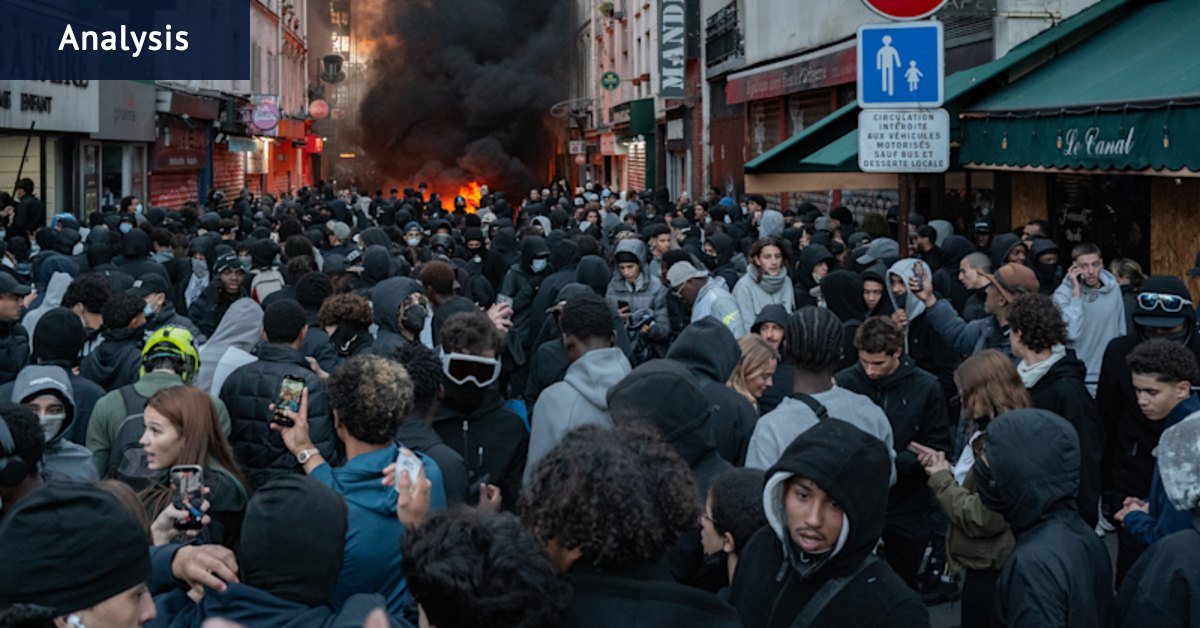
The organization says that between 2023 and 2025, protests erupted across Kenya in response to higher food and transport prices, new levies, tax hikes, rising public debt and perceived corruption. Amnesty interviewed 102 individuals – including protesters, lawyers, a medic, journalists, government officials, social‑media influencers and civil‑society activists – and reviewed parliamentary records, budgets and tax policies for the period. It found that security forces carried out arbitrary arrests, abductions, in‑communicado detentions and surveillance of participants. The report cites 36 interviewees from five counties who said they were arrested by police or seized by suspected security agents during or after demonstrations in 2023, 2024 and 2025. Some detainees reported being held for days, beaten, tortured or interrogated without legal representation.
What the reports add
Amnesty’s findings include specific accounts such as that of a man identified only as “Benjamin*”, who said he was taken to an unknown location, stripped naked and left in a sugar‑plantation room after being accused of organising protests in Kisumu. Another interviewee, “Ken*”, described being placed in a car boot with his head covered and driven away from Rongai. The report notes that the organization conveyed its findings to relevant Kenyan government agencies but had received no feedback as of the publication date.
What was said
George Morara, Amnesty International Kenya’s Executive Director, said the report “paints a stark picture of the Kenyan government’s repressive response to real grievances affecting the day‑to‑day lives of ordinary people” and urged authorities to address economic grievances, end the crackdown and ensure accountability for human‑rights violations.
How it came about
The research was conducted between April and July 2026, involving field interviews and document review. Amnesty’s earlier reports have highlighted similar concerns about state repression in other regions, linking the Kenyan situation to a broader pattern of governments using security forces to silence dissent amid economic pressure.
Key facts
- Amnesty International documented arbitrary arrests, abductions and in‑communicado detentions during Kenyan protests from 2023 to 2025. (amnesty.org)
- The report is based on interviews with 102 people, including protesters, lawyers, journalists and officials. (amnesty.org)
- No feedback was received from Kenyan authorities after Amnesty conveyed its findings. (amnesty.org)
- George Morara, Amnesty Kenya’s Executive Director, called for an end to the crackdown and accountability for human‑rights violations. (amnesty.org)
Sources
- [1] amnesty.org — originally reported as “Kenyan authorities must address economic grievances driving protests, end repressive tactics.”