Brief
UCL team names new British megaraptoran Invictibellatrix amberina from forgotten fossil
The century‑old skull fragment, stored at the Natural History Museum, reveals a tiger‑sized predator with huge curved claws.
By Felo News Desk · Published
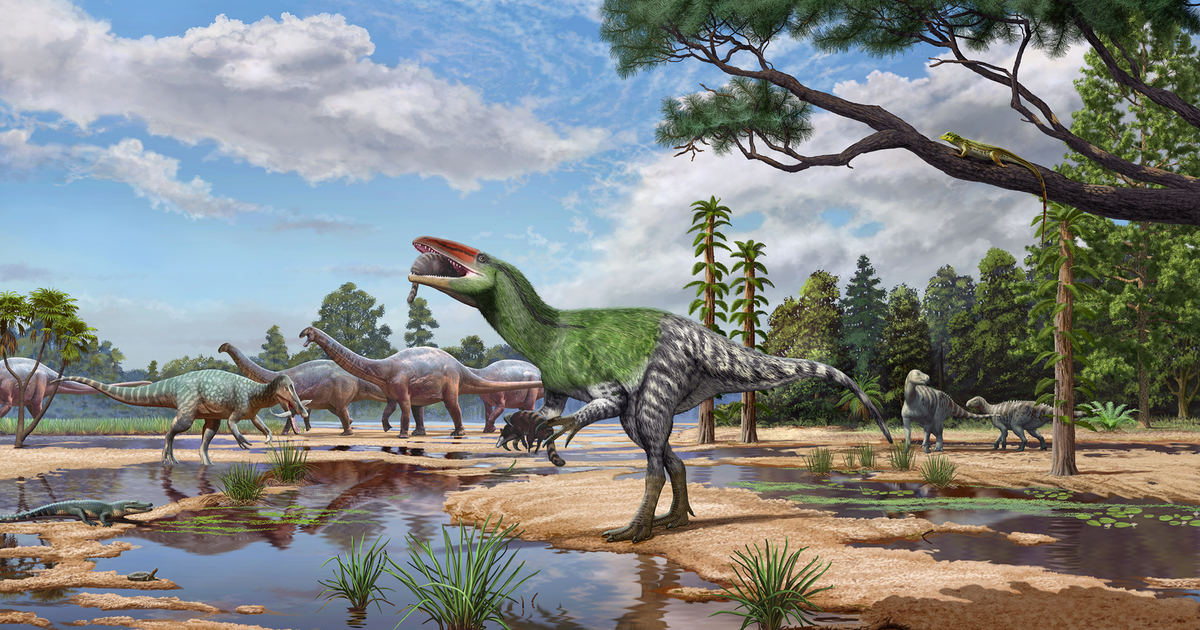
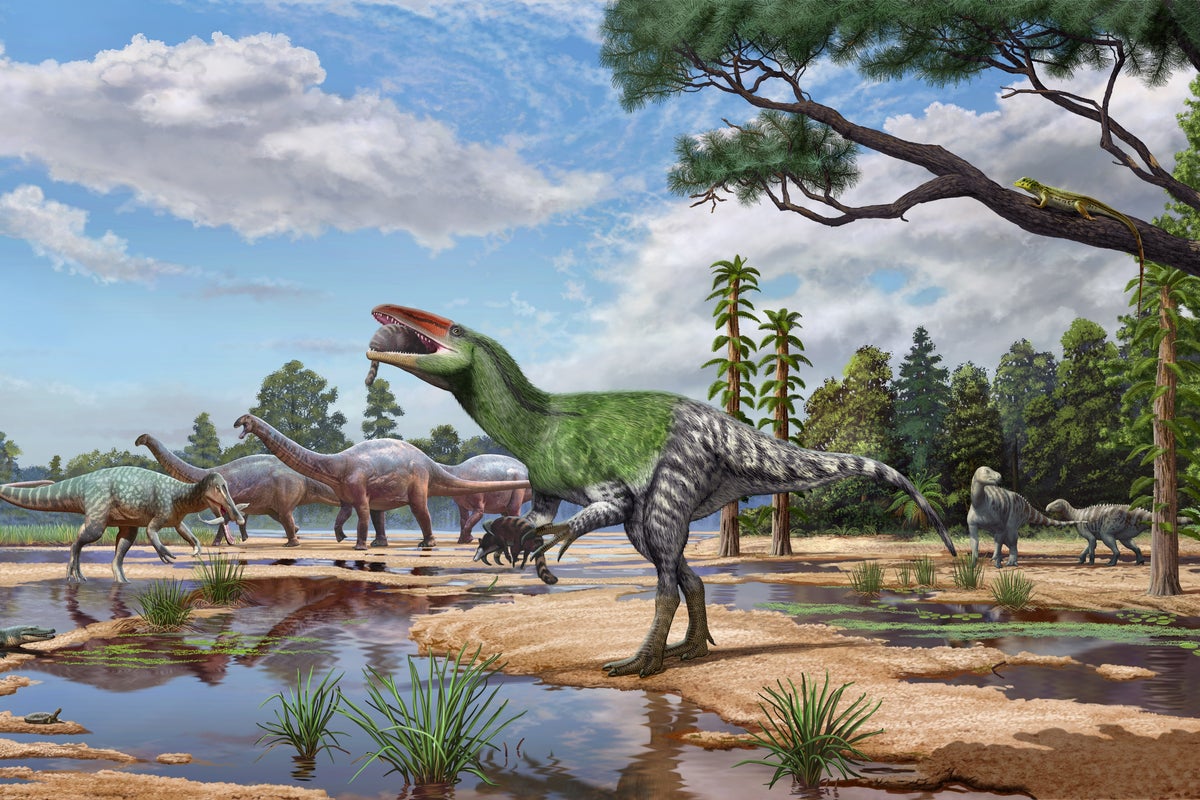
Scientists led by University College London have identified a new species of megaraptoran dinosaur from a skull fragment collected on the Isle of Wight in 1924. The animal, named Invictibellatrix amberina, lived about 120 million years ago and measured roughly three to four metres long and 1.5 metres tall, according to the study published in Royal Society Open Science.
What happened
The fossil, a rear braincase piece, was acquired by the Natural History Museum in 1924 but remained unstudied for nearly a century. UCL researchers re‑examined the specimen, comparing it with other megaraptoran remains and concluded it represented a distinct species. Their analysis suggests the dinosaur had a narrow skull, powerful fore‑arms and curved claws up to 10‑20 cm long, likely feathered, and hunted small dinosaurs, lizards and early mammals.
What the reports add
ScienceDaily notes that the new species is the first known European member of the megaraptoran group, which is otherwise poorly understood. The article also highlights that, unlike the giant tyrannosaurids, this predator was relatively small but possessed a hunting strategy centred on its claws rather than massive jaws.
What was said
Lead author Dr Cassius Morrison of UCL Earth Sciences told ScienceDaily, “Based on what we know about its closest relatives, Invictibellatrix would have been three to four metres long and just over a metre and a half in height – about as tall as a human. It would likely have had feathers and its claws might have been about 10 cm to 20 cm long. It would have eaten small dinosaurs, lizards and mammals – occupying a similar role in the food chain to the hyena today.” He added that the fossil’s long‑term neglect was “a real mystery”.
How it came about
The discovery builds on earlier Felo News coverage of Isle of Wight dinosaur finds, including a 2026 article on a related T‑rex‑like megaraptoran (new‑t‑rex‑relative‑isle‑of‑wight‑fossil) and a detailed piece on the species name (invictibellatrix‑amberina‑new‑dinosaur‑species). Those reports noted the specimen’s size and feathered appearance, which this new study confirms and expands with evolutionary context.
Key facts
- The fossil is a rear braincase fragment collected on the Isle of Wight in 1924. (sciencedaily.com)
- Researchers named the new species Invictibellatrix amberina. (sciencedaily.com)
- The dinosaur measured about three to four metres long and 1.5 metres tall. (sciencedaily.com)
- It likely had feathers and curved claws 10‑20 cm long used for hunting. (sciencedaily.com)
- The study was published in Royal Society Open Science. (sciencedaily.com)
Sources
- [1] sciencedaily.com — originally reported as “A forgotten fossil reveals a fearsome dinosaur with giant claws”
.jpg?w=1120&h=630)