Brief
ASEAN pushes interoperable digital identity using verifiable credentials
Thailand leads a pilot for interoperable verifiable credentials as ASEAN nations work toward shared digital identity standards.
By Felo News Desk · Published
ASEAN countries are accelerating efforts to link national digital identity systems through verifiable credentials that can be trusted across borders, according to Biometric Update.
What happened
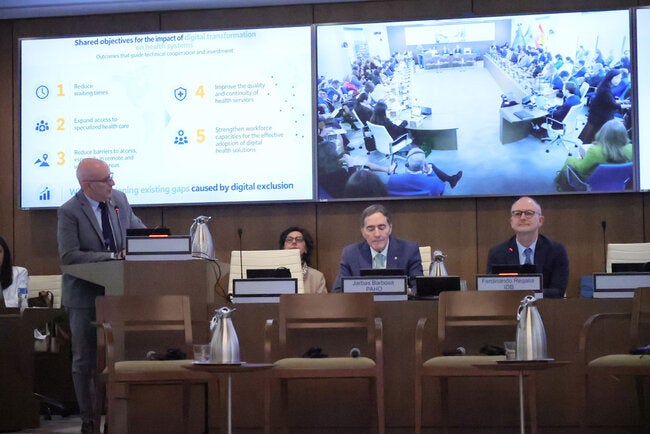
The 11 ASEAN members, including new member Timor‑Leste, already operate national digital identity programmes. The next step, described as “interoperability,” involves creating common technical "rails" so that credentials issued in one country can be accepted in another. A recent event in Bangkok, co‑hosted with the World Bank and attended by representatives from the European Commission, three European nations, Australia, New Zealand and the United States, showcased Thailand’s progress.
What the reports add
Biometric Update cites Christopher Goh, founder of Valid8 Advisory, saying Thailand’s Electronic Transactions Development Agency (ETDA) has adopted open credential standards, passed supporting legislation and built a strong public‑key‑infrastructure (PKI). Goh describes Thailand’s PKI as “one of the best in ASEAN.” He also notes that the Philippines, Indonesia and Malaysia operate single sign‑on platforms but are beginning to explore verifiable‑credential infrastructure.
What was said
“They’re ready to do commerce in a good way,” Goh told Biometric Update about the Bangkok gathering. He added, “They’re also doing lots of work in post‑quantum readiness, and because particularly Southeast Asia has a lot of what we call mobile farms and fraud coming out of that region, it’s really critical for them.” Regarding the broader impact, Goh said, “I think it’s a really good convergence of similar drivers in relation to economic reform… the pressure cooker of the world outside has actually made them come together more substantively, because they are stronger together.”
How it came about
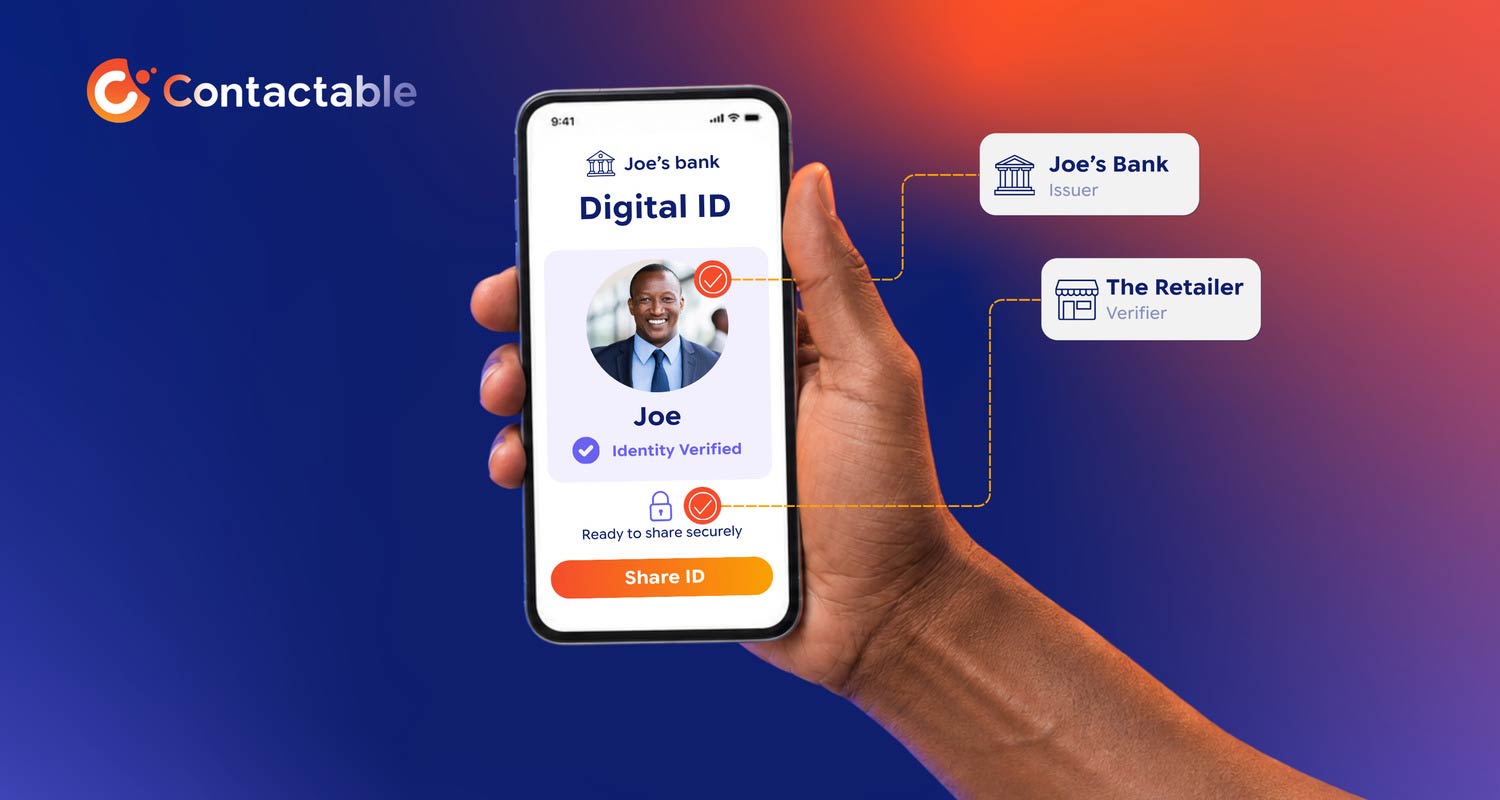
ASEAN’s push follows years of individual digital‑identity rollouts, with Timor‑Leste’s system noted as limited but operational. The move toward verifiable credentials reflects a shift from government‑controlled APIs to decentralized trust models, allowing citizens to store credentials in digital wallets, share only needed data and even authenticate offline. Goh argues that such models can lower barriers for micro, small and medium enterprises, support secure eKYC in banking and meet AML/CFT compliance, while also enabling new use cases in healthcare and agentic AI.
Key facts
- ASEAN members are working on interoperable digital identity using verifiable credentials. (biometricupdate.com)
- Thailand’s ETDA has adopted open credential standards and built a strong PKI infrastructure. (biometricupdate.com)
- The Bangkok event was co‑hosted with the World Bank and attended by officials from the EU, Australia, New Zealand and the US. (biometricupdate.com)
- Philippines, Indonesia and Malaysia operate single sign‑on platforms and are exploring verifiable‑credential infrastructure. (biometricupdate.com)
- Christopher Goh said the interoperability effort can reduce fraud, support MSMEs and enable offline authentication. (biometricupdate.com)
Sources
- [1] biometricupdate.com — originally reported as “ASEAN moves toward interoperable digital identity with verifiable credentials”