Brief
4,000-Year-Old Defensive Wall Discovered at Oued Beht in Morocco
The Oued Beht wall dates to 4,000‑3,500 years ago, reshaping views of prehistoric societies in the Maghreb.
By Felo News Desk · Published
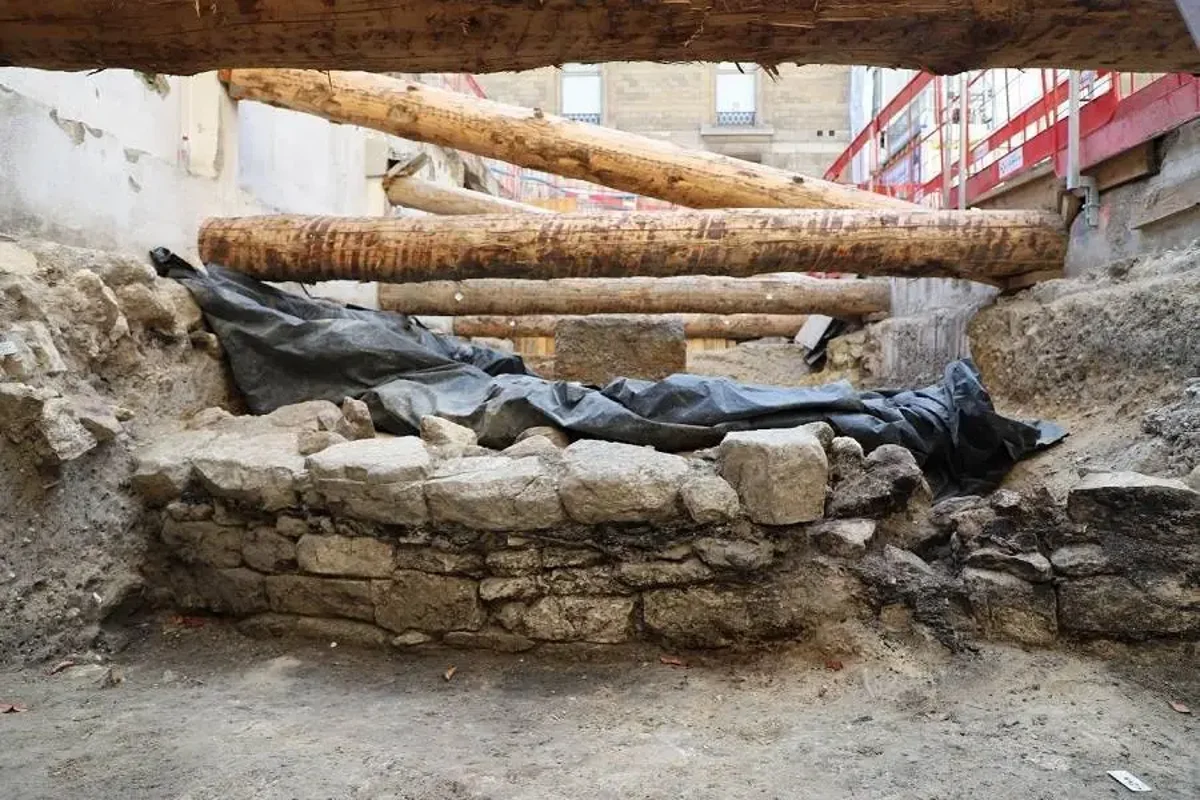
Archaeologists excavating the Oued Beht site in northwestern Morocco have uncovered a large wall‑like structure that they date to roughly 4,000 to 3,500 years ago, making it the earliest known large‑scale defensive construction in North Africa outside the Nile Valley, according to scitechdaily.com.
The ridge‑top wall overlooks the river that gives the site its name and appears to have been built to protect communities or assert control over the surrounding landscape. Researchers suggest the structure reflects competition for land, resources, and control of routes rather than defense against external invaders.
Earlier work at Oued Beht identified an even older agricultural complex dating to about 5,400‑4,900 years ago, the largest of its kind in Africa outside the Nile Valley. The 2023 excavations also recorded medieval reuse of the ridge between the 11th and 13th centuries AD, when a hamlet and cemetery were established nearby.
Key facts
- The wall at Oued Beht dates to roughly 4,000‑3,500 years ago. (scitechdaily.com)
- It is the earliest known large‑scale defensive structure in North Africa outside the Nile Valley. (scitechdaily.com)
- The site also contains an earlier agricultural complex dated to about 5,400‑4,900 years ago. (scitechdaily.com)
- Medieval reuse of the ridge occurred between the 11th and 13th centuries AD. (scitechdaily.com)
Sources
- [1] scitechdaily.com — originally reported as “This 4,000-Year-Old Wall in Morocco Is Rewriting the History of North Africa”