Brief
Aaron Sorkin says he never expected Jesse Eisenberg to turn down Mark Zuckerberg role
Sorkin recounts his failed attempt to bring Eisenberg back for the 2026 sequel, noting money was a disincentive for the actor.
By Felo News Desk · Published
Aaron Sorkin told Entertainment Weekly that he assumed Jesse Eisenberg would reprise his role as Mark Zuckerberg in the upcoming film The Social Reckoning, only to learn the actor declined the part.
What happened
Sorkin said he was "a couple of pages from being done" with the script when he met Eisenberg at a party and promised to send him the draft. Eisenberg smiled, received the script, but ultimately refused to sign on, even though the studio offered a sizeable paycheck.
What the reports add
The Variety piece notes that Eisenberg told Sorkin he was "moving in different directions" and did not want to be associated with the character any longer. Sorkin added that Eisenberg’s concern about raising his children with too much money made the offer a "disincentive" rather than a lure.
What was said
"It never occurred to me that he wouldn’t want to do it," Sorkin said to Entertainment Weekly, according to Variety. "Money does not motivate Jesse. It’s infuriating," he added, describing the actor’s stance.
How it came about
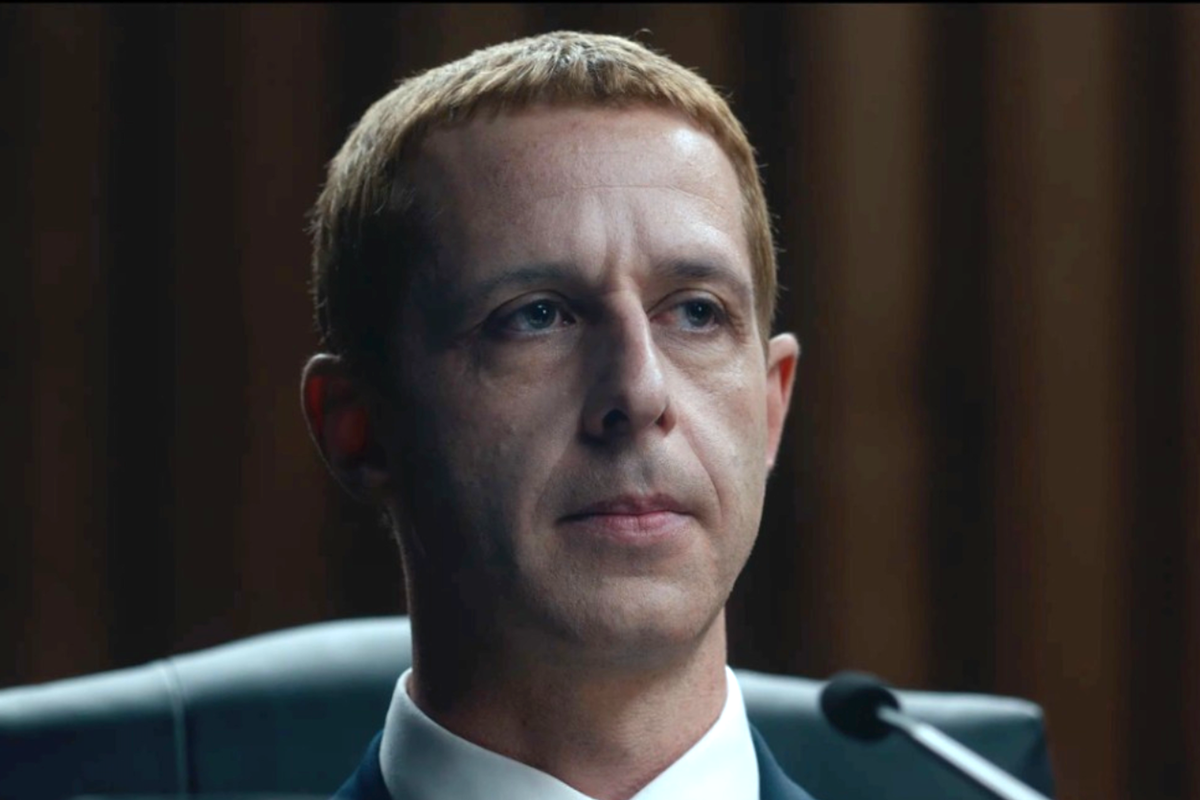
The film, set to open on Oct. 9, 2026, will instead feature Jeremy Strong as Zuckerberg, a casting decision highlighted in Felo’s earlier coverage of Strong’s method acting for the role.
Key facts
- Aaron Sorkin expected Jesse Eisenberg to reprise Mark Zuckerberg in The Social Reckoning. (variety.com)
- Eisenberg declined the role, citing personal direction and concerns about wealth. (variety.com)
- The studio offered a sizeable paycheck, which Eisenberg said acted as a disincentive. (variety.com)
- Jeremy Strong will portray Mark Zuckerberg in the film releasing Oct. 9, 2026. (variety.com)
Sources
- [1] variety.com — originally reported as “Aaron Sorkin Says It ‘Never Occurred’ to Him That Jesse Eisenberg Wouldn’t Play Mark Zuckerberg in ‘The Social Reckoning,’ Claims the Paycheck Was a ‘Disincentive’”