More than 100,000 displaced as they flee violence in Yemen: UN
Yemen’s war between the Houthis and government forces has displaced over 100,000 residents, prompting a dangerous maritime exodus to Djibouti. The UN Refugee Agency warns of a looming humanitarian crisis and calls for urgent funding.
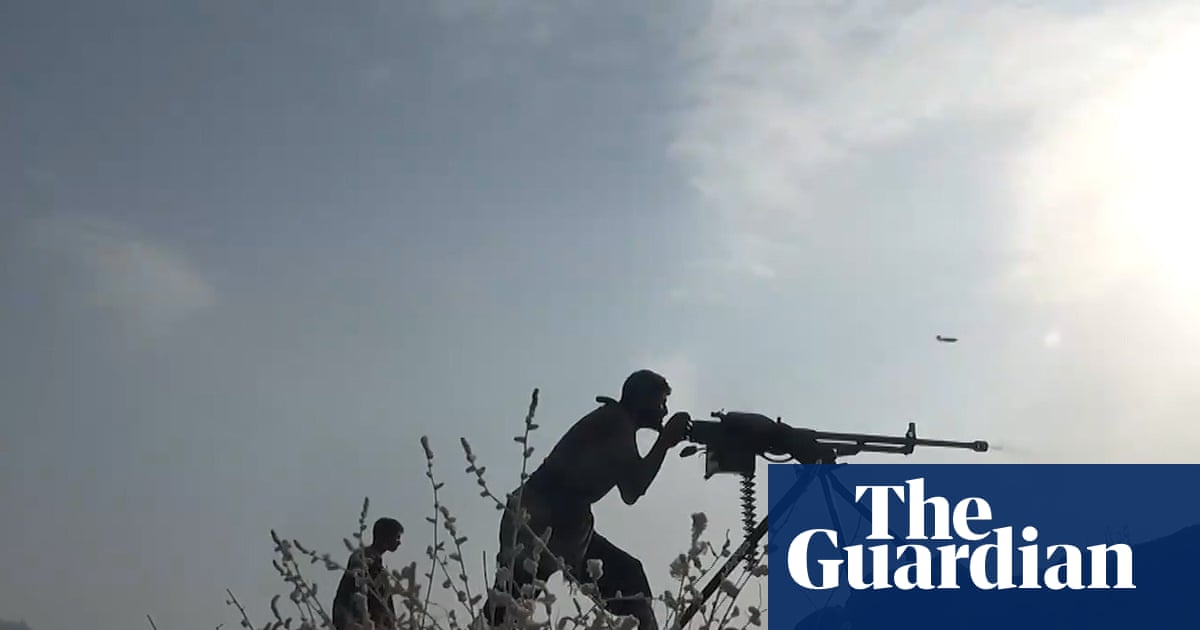
The conflict along Yemen’s western coast has surged, pushing more than 100,000 people from their homes and sending thousands across the Bab al-Mandeb Strait in a desperate bid for safety. The United Nations Refugee Agency (UNHCR) reports that the rapid escalation of hostilities has left the country in a state of emergency, with communities stretched beyond their capacity to provide shelter, food, water, and medical care.
Why Yemen’s Conflict is Intensifying
The root of the crisis lies in the clash between the Iran‑aligned Houthi movement and forces loyal to Yemen’s internationally recognised government. The Houthis seized control of the entire Red Sea coast, including the strategic Bab al-Mandeb waterway, a vital maritime corridor that links the Red Sea with the Gulf of Aden. Their advance has not only tightened their grip on the region but also disrupted shipping routes that have become increasingly important as global tensions push vessels away from the Strait of Hormuz.
The Human Toll: Displacement and Danger
UNHCR’s latest statement indicates that more than 65,000 registered refugees and asylum seekers—primarily from Somalia and Ethiopia—now face heightened risks due to the fighting. In addition, over 2,400 people have crossed the strait in the past four days, most of whom are women, children, and the elderly. The journey is fraught with peril: overcrowded boats, rough seas, and the threat of piracy or military interception make the trip a life‑threatening endeavor.
One of the many stories emerging from the frontlines is that of Aisha Muhammad, a mother who fled her village near Mocha after the Houthis overran the area. “They are being blocked and shot at, so they are trapped inside their homes. They are cooking only rice, no bread, nothing else,” she told UNHCR representatives. Her five children were left behind, and she has been unable to bring them along because of the suddenness of the attack and the lack of transport.
Hussein Haydara, a former resident of Hodeidah, echoed similar sentiments. He described the terror of shelling and sniper fire that forced him and his family to abandon everything in a matter of minutes. “You could barely take your children and the fewest essentials with you,” he recalled. “We were terrified of the shelling and sniper fire, and you just flee as quickly as you can out of fear for your children and your family.”
UNHCR’s Call for Immediate Support
UNHCR estimates that an additional $14 million is required to meet the urgent needs of displaced families still inside Yemen. This funding would support shelter, food, clean water, health care, and protection services in overcrowded displacement sites. The agency also highlighted the need for resources to assist those arriving in Djibouti, where local communities are already strained by the sudden influx of refugees.
Sandrine Desamours, UNHCR’s representative in Djibouti, described the arrival conditions: “People are arriving after a difficult sea journey, many exhausted, distressed and carrying what little they could take with them.” She emphasized that the humanitarian response must be swift and coordinated to prevent a larger crisis.
What Comes Next?
As the fighting continues, the UN and international partners are monitoring the situation closely. Efforts to secure safe corridors for civilians, negotiate ceasefires, and provide humanitarian aid are ongoing. However, the volatility of the region and the strategic importance of the Bab al-Mandeb Strait make diplomatic solutions challenging. The international community’s response will be critical in determining whether Yemen can avert a full‑scale humanitarian disaster.
In the meantime, displaced families remain in a state of uncertainty, with many still waiting for assistance or a safe place to settle. The UN’s appeal for funding underscores the urgency of the situation, while the stories of individuals like Aisha and Hussein illustrate the human cost of the conflict.
For those seeking more information, UNHCR’s website offers updates on displacement figures, funding needs, and ways to contribute to relief efforts. The international community’s engagement will be pivotal in shaping Yemen’s future and safeguarding the lives of those who have already lost so much.
Key Takeaways
- Over 100,000 Yemenis displaced by the Houthi‑government conflict.
- Thousands risk a dangerous sea journey to Djibouti for safety.
- UNHCR calls for $14 million to support displaced families.
- Bab al-Mandeb Strait’s strategic importance heightens regional tensions.
- Humanitarian aid is urgently needed to prevent a larger crisis.
Frequently Asked Questions
- What is the Bab al-Mandeb Strait? A narrow waterway connecting the Red Sea to the Gulf of Aden, vital for international shipping.
- Why are Yemenis fleeing to Djibouti? Djibouti offers relative safety and humanitarian assistance compared to the conflict zones in Yemen.
- How can I help? Donations to UNHCR or local NGOs working in Yemen and Djibouti can provide essential support.
- What is the current status of the conflict? Hostilities continue along Yemen’s western coast, with no immediate ceasefire in sight.
Why it matters
The displacement crisis in Yemen threatens to overwhelm already fragile communities and could spark a broader humanitarian emergency that requires international intervention.
Key points
- Over 100,000 Yemenis displaced by escalating conflict
- Thousands undertake perilous sea journeys to Djibouti
- UNHCR seeks $14 million for immediate aid
- Bab al-Mandeb Strait’s strategic role fuels tension
- Urgent humanitarian response needed to prevent crisis
Frequently asked questions
What is the Bab al-Mandeb Strait?
A narrow waterway connecting the Red Sea to the Gulf of Aden, vital for international shipping.
Why are Yemenis fleeing to Djibouti?
Djibouti offers relative safety and humanitarian assistance compared to the conflict zones in Yemen.
How can I help?
Donations to UNHCR or local NGOs working in Yemen and Djibouti can provide essential support.
What is the current status of the conflict?
Hostilities continue along Yemen’s western coast, with no immediate ceasefire in sight.