Taiz camps overflow with Yemenis fleeing fighting after Houthi offensive
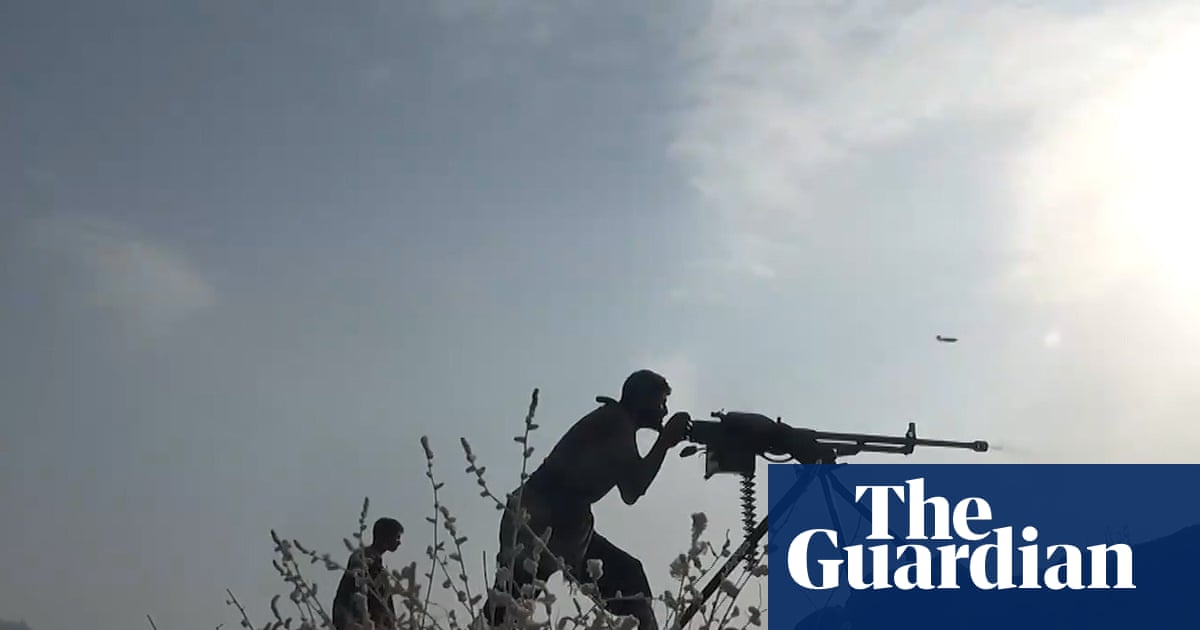
The recent Houthi offensive in Yemen’s Taiz governorate has forced over 100,000 people to flee their homes, overwhelming displacement camps and raising fears of a worsening humanitarian crisis. The conflict, which has seen the Iran‑backed rebels seize key coastal towns, has intensified government a…
In the last few weeks, the city of Taiz in southwest Yemen has become a flashpoint for the ongoing civil war, as the Iran‑backed Houthi rebels—also known as Ansar Allah—have launched a sweeping offensive that has captured much of the Red Sea coast, including the port of Mocha. The rapid advance has forced an estimated 100,000 civilians to abandon their homes, according to the United Nations Refugee Agency.
Displacement on a Massive Scale
Hajja Fatima Mohammed Saleh, a 70‑year‑old woman from Maqbanah district, recounts the chaos that unfolded when the Houthis stormed her village. “Shells were falling heavily on the village, and bullets were flying in every direction,” she told Al Jazeera. Saleh and her family were forced to leave behind their wheelchair and any belongings that could not be carried. The family endured a grueling trek across flooded terrain, crawling on their hands and knees to reach a vehicle that could take them to safety.
According to the Executive Unit for the Management of IDP Camps in Taiz, 65,845 people were displaced between August 10 and September 15. The majority—about 95 %—came from five districts that experienced the fiercest fighting: Jabal Habashi, al‑Maafer, Maqbana, al‑Wazi’iyah, and Mawza. These districts have seen intense clashes as government forces attempt to reclaim territory lost to the Houthis.
Al‑Munij Camp: A Temporary Refuge
The al‑Munij camp, located roughly 40 km southwest of Taiz, has become a critical shelter for those fleeing the conflict. Over the years, the camp has expanded to cover two square kilometres, yet it struggles to meet basic needs. Residents report sporadic water supplies, limited sanitation facilities, and a lack of permanent housing.
Hajj Saif Qaed Thabet, 73, and his wife arrived at al‑Munij on September 10 with four children. They left behind a farm and livestock in al‑Kadaha, a district in western Taiz. “We were displaced because of the war, fleeing bullets and artillery shells falling over our heads,” Thabet said. “Since arriving at the camp, we have been living like this, waiting for our situation to be addressed and for us to be housed in a suitable place.”
Similarly, Malouk Ahmed Ali, 55, from the al‑Kadaha area, recounts how a family of 14—including five children under her care—escaped drones, shelling, and gunfire on foot. They were eventually transported by a military vehicle to al‑Munij, where they were placed in a small tent. Despite the temporary relief, Ali notes that their situation has not improved significantly, and they continue to hope for better conditions.
Government Response and Strategic Stakes
Yemen’s internationally recognised government has intensified air attacks on Houthi positions in an attempt to retake Mocha and curb the rebels’ control of the Red Sea coast. The strategic Bab al‑Mandeb Strait, which connects the Red Sea to the Gulf of Aden and the wider Indian Ocean, has become a focal point in the broader U.S.–Iran geopolitical rivalry. Any shift in control of this waterway could disrupt global trade routes and heighten international tensions.
Osama al‑Wafi, supervisor of the Mushrifa camp in Wadi Bikhawlan, described the situation as “dire and tragic.” He highlighted the urgent need for shelter and basic necessities, noting that over 1,500 families have entered the camp in the past six days alone. The influx of displaced persons is expected to continue as fighting escalates on multiple fronts.
What Happens Next?
The humanitarian situation in Taiz remains precarious. With the Houthis controlling much of the western coast and government forces pushing forward, the number of displaced civilians is likely to rise. International aid agencies are calling for increased support to provide food, water, and medical care to those trapped in overcrowded camps. Meanwhile, diplomatic efforts to negotiate a ceasefire have stalled, leaving civilians caught in the crossfire.
As the conflict drags on, the international community watches closely, aware that any escalation could have far‑reaching implications for regional stability and global shipping lanes.
In the meantime, families like Saleh’s, Thabet’s, and Ali’s continue to navigate a landscape of uncertainty, hoping for a return to normalcy and a chance to rebuild their lives.
Why it matters
The surge in displacement in Taiz underscores the urgent humanitarian crisis unfolding in Yemen, with thousands of civilians forced into overcrowded camps and facing severe shortages of basic services.
Key points
- Over 100,000 Yemenis displaced in Taiz after Houthi offensive
- Al‑Munij camp stretched to two square kilometres but lacks basic services
- Government airstrikes intensify as they attempt to retake Mocha
- Bab al‑Mandeb Strait’s strategic importance heightens international stakes
- Families are left with limited shelter, water, and sanitation
- Diplomatic ceasefire talks have stalled, prolonging civilian suffering
Frequently asked questions
What is the current status of the Houthi offensive in Taiz?
The Houthis have captured most of the Red Sea coast, including Mocha, and are pushing into Taiz, forcing large numbers of civilians to flee.
How many people have been displaced from Taiz?
According to UNHCR, over 100,000 people have fled their homes in the last month.
What services are lacking in the al‑Munij camp?
The camp suffers from sporadic water supplies, limited toilets, and no permanent shelters for many families.