Iran is now threatening world’s largest oil facility and vast pipeline after Houthi attacks escalate
The Houthi rebels, backed by Iran, have seized key Yemeni ports and control over the Bab al‑Mandeb Strait, enabling them to target Saudi Arabia’s critical oil infrastructure. Threats now focus on the 745‑mile East‑West pipeline and the Abqaiq processing plant, both vital to global crude flow. The e…
The Iran‑backed Houthi movement has moved beyond Yemen’s borders, now threatening Saudi Arabia’s most critical oil infrastructure. After capturing the port of Mokha and securing the Bab al‑Mandeb Strait, the rebels have signaled that they can strike the 745‑mile East‑West pipeline and the world’s largest oil processing facility, Abqaiq. These attacks could ripple through global markets, raising prices and tightening supply chains.
From Yemen to the Red Sea: The Houthi Advance
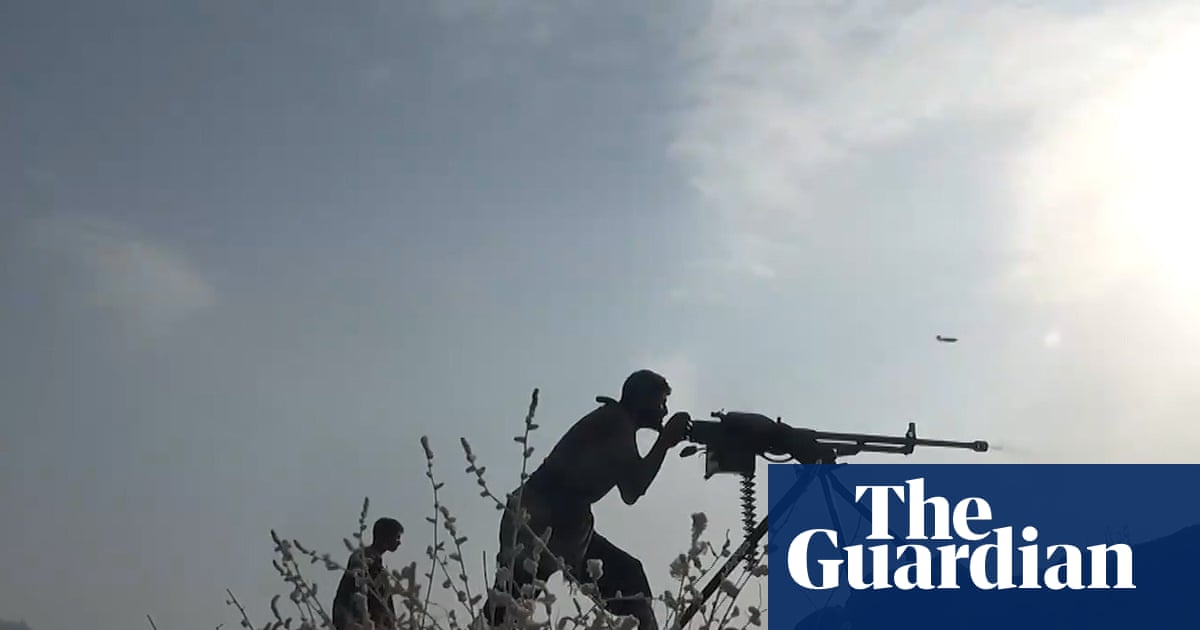
The Houthis first rose to prominence in 2014 when they seized Yemen’s capital, Sanaa, sparking a civil war that pits them against a Saudi‑backed federal government. A cease‑fire in 2022 collapsed in July after Saudi forces bombed a runway near the capital to block an Iranian aircraft from landing. That incident, carrying Iranian advisers and equipment, triggered a series of retaliatory strikes by the Houthis against Saudi targets and a maritime blockade of Saudi shipping in the Red Sea.
Over the past week, the rebels have taken control of Mokha and other strategic points along Yemen’s western coast. By dominating the Bab al‑Mandeb Strait, the narrow waterway that connects the Red Sea to the Gulf of Aden, the Houthis now possess a choke point that could disrupt the flow of more than $1 trillion worth of goods each year.
Saudi Arabia’s Pipeline and Processing Plant at Risk
Saudi Arabia’s East‑West pipeline, stretching 745 miles across the country, is a lifeline that moves crude from the Persian Gulf to the Red Sea. The pipeline accounts for roughly 4% of global oil supply, and any damage to a single segment could halt the entire line. Security experts warn that the Houthis, with Iranian support, can target the pipeline and other facilities with relative ease.
Abqaiq, the world’s largest crude oil processing plant, processes about 7% of the world’s crude. The plant separates gases and impurities, making the oil safe for storage and transport. An attack on Abqaiq would not only halt Saudi exports but could also send shockwaves through global oil prices.
Economic Fallout and Market Reactions
Following the latest Houthi attacks, Saudi crude exports through its main Red Sea port fell from 4.6 million barrels per day in July to 2.5 million barrels per day last month, according to the International Energy Agency. The disruption has already pushed Brent crude prices above $109 per barrel and the U.S. benchmark to $105.
With the pipeline out of commission, the Saudi port of Yanbu has only five to seven days of export capacity left, according to industry insiders. The loss of this critical infrastructure could force oil tankers to reroute through the Suez Canal, adding weeks to shipping times and further inflating costs.
Diplomatic Efforts and U.S. Involvement
President Trump and Vice President J.D. Vance have stated that the U.S. is in talks with the Houthis, downplaying the immediate danger of the latest escalation. The U.S. had launched a 53‑day bombing campaign against the Houthis last year, ending in a cease‑fire after retaliatory attacks. While the U.S. has deployed intelligence and military advisers to Saudi Arabia, President Trump has expressed hesitation about sending additional forces to the region.
Saudi Crown Prince Mohammed bin Salman has urged the U.S. to become more involved, but Trump has indicated that the U.S. will “do everything it can” without launching new attacks. The diplomatic dialogue remains fluid, and the outcome of these negotiations is still uncertain.
Why the Threat Matters
The potential disruption of the East‑West pipeline and Abqaiq plant could destabilize global oil markets, increase transportation costs, and heighten geopolitical tensions in the Middle East. The situation underscores the strategic importance of the Bab al‑Mandeb Strait and the vulnerability of fixed energy infrastructure to asymmetric attacks.
As the conflict escalates, the world watches closely for any signs that the Houthis can effectively target these critical facilities, and for how international actors respond to prevent a broader crisis.
“Attacks on the pipeline are very concerning… and it’s clear that this is an Axis of Resistance effort to go after Saudi oil and impose more economic pains.” – Kelly Campa, Institute for the Study of War
“The plant is the Panama Canal of global energy markets.” – Thomas Warrick, former deputy assistant secretary for counterterrorism policy at Homeland Security
Key Takeaways
- The Houthis now control the Bab al‑Mandeb Strait, a critical chokepoint for global trade.
- Saudi Arabia’s 745‑mile East‑West pipeline and Abqaiq plant are at risk of attack.
- Disruption could halt 4% of global oil supply and push Brent prices above $109.
- The U.S. is in talks with the Houthis, but diplomatic resolution remains uncertain.
- Saudi exports through the Red Sea have dropped significantly since the Houthi offensive.
Frequently Asked Questions
- What is the significance of the Bab al‑Mandeb Strait? It connects the Red Sea to the Gulf of Aden and is a key maritime route for global trade, especially for oil shipments.
- Why is the East‑West pipeline important? It moves crude from the Persian Gulf to the Red Sea, accounting for about 4% of the world’s oil supply.
- What is Abqaiq’s role in the oil industry? Abqaiq processes about 7% of the world’s crude, separating gases and impurities for safe transport.
- How are the U.S. and Saudi Arabia responding? The U.S. is engaged in diplomatic talks with the Houthis and has deployed advisers to Saudi Arabia, while Saudi Arabia has increased security measures around its infrastructure.
- Could the conflict spread to other regions? While the focus is on Yemen and Saudi Arabia, any escalation could affect global oil markets and shipping routes worldwide.
Why it matters
The Houthis’ ability to threaten Saudi Arabia’s core oil infrastructure could trigger a global supply shock, driving up prices and destabilizing markets that many economies depend on for energy security.
Key points
- Houthis control Bab al‑Mandeb Strait, a vital trade chokepoint
- Saudi East‑West pipeline and Abqaiq plant are at risk
- Disruption could halt 4% of global oil supply and raise Brent prices
- U.S. engaged in talks with Houthis, but resolution unclear
- Saudi exports through Red Sea have fallen sharply
Frequently asked questions
What is the significance of the Bab al-Mandeb Strait?
It connects the Red Sea to the Gulf of Aden and is a key maritime route for global trade, especially for oil shipments.
Why is the East‑West pipeline important?
It moves crude from the Persian Gulf to the Red Sea, accounting for about 4% of the world’s oil supply.
What is Abqaiq’s role in the oil industry?
Abqaiq processes about 7% of the world’s crude, separating gases and impurities for safe transport.
How are the U.S. and Saudi Arabia responding?
The U.S. is engaged in diplomatic talks with the Houthis and has deployed advisers to Saudi Arabia, while Saudi Arabia has increased security measures around its infrastructure.
Could the conflict spread to other regions?
While the focus is on Yemen and Saudi Arabia, any escalation could affect global oil markets and shipping routes worldwide.