Brief
South African school fees outpace inflation, Competition Commission says
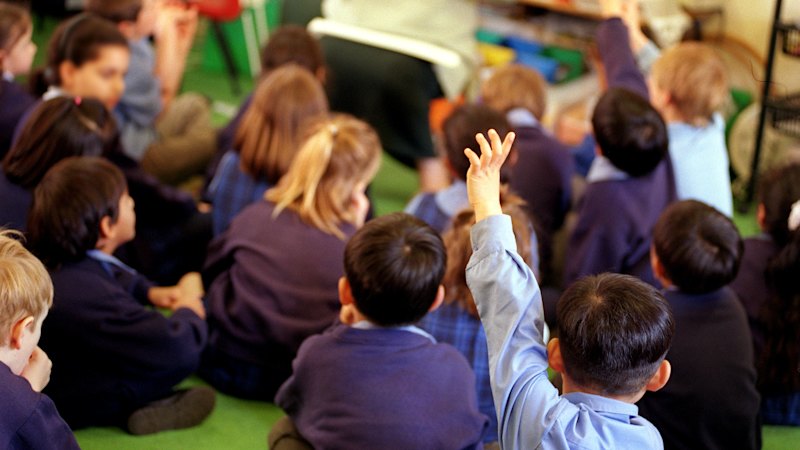
Fees have risen faster than price growth due to municipal service costs, utilities and transport, the commission found.
By Felo News Desk · Published
South Africa’s Competition Commission said on 4 September that public primary school fees have risen 46% and secondary fees 51% between January 2020 and July 2026, outpacing headline inflation of roughly 36%.
The report links the increase to higher municipal service charges, infrastructure maintenance and operating costs that are not fully covered by government funding. Stats SA’s July consumer price index shows electricity tariffs up 8.1% and water up 10.2% in 2026, while the commission estimates electricity costs have doubled and water costs risen about 85% since January 2020. Petrol prices rose 26% in the first half of the year.
TechCentral notes that schools function as property operations – classrooms, halls, fields, kitchens, boarding facilities, bus fleets and insurance – each indexed to municipal tariffs, fuel prices or maintenance contracts. The only teaching‑related cost that can move is the wage bill, which schools have little flexibility to increase.
According to the commission, the fee letters sent to parents therefore reflect largely the cost of the buildings and services rather than changes in teaching expenses.
Key facts
- Primary school fees rose 46% from Jan 2020 to July 2026 (techcentral.co.za)
- Secondary school fees rose 51% over the same period (techcentral.co.za)
- Headline inflation was about 36% in the same timeframe (techcentral.co.za)
- Electricity tariffs increased 8.1% in 2026 and have roughly doubled since 2020 (techcentral.co.za)
- Water tariffs rose 10.2% in 2026 and about 85% since 2020 (techcentral.co.za)
Sources
- [1] techcentral.co.za — originally reported as “Why school fees keep rising faster than inflation”