Houthi official says Saudi airstrikes leave 3 dead, and other Mideast developments
A Houthi official reported that Saudi airstrikes in Yemen’s Taiz province killed three people, including two children. The claim comes amid escalating conflict that threatens civilian safety and disrupts Red Sea shipping routes. Human Rights Watch has also accused the Houthis of possible war crimes…
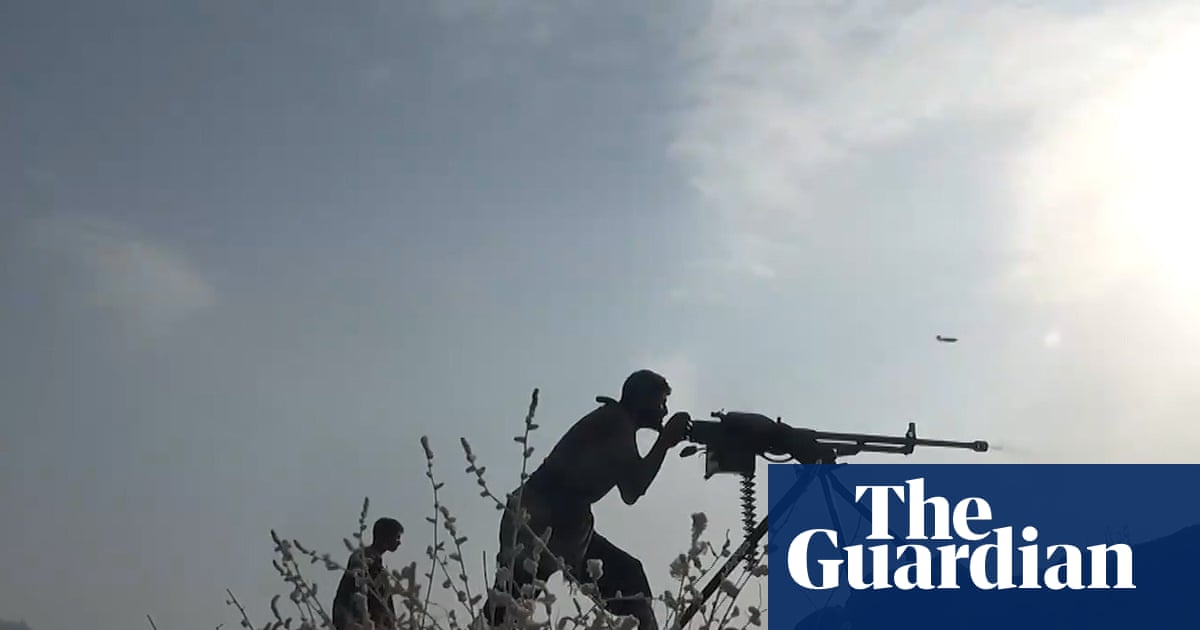
A Houthi spokesperson announced that Saudi warplanes had struck Yemen’s Taiz province, killing three people, two of whom were children. The statement was made on the social‑media platform X on Tuesday, but the Associated Press was unable to independently verify the claim. The Houthi official, Anees al‑Asbahi, who represents the Houthi‑run Health Ministry, also said that two additional people were injured in the strikes. No details were provided about the target of the Saudi aircraft.
Escalating Conflict in Yemen
The latest incident follows a series of confrontations that have intensified in Yemen over the past weeks. The Iran‑backed Houthi rebels have seized several strategic points in the southern Red Sea, including the Greater and Lesser Hanish islands. These acquisitions give the Houthis greater control over a crucial maritime corridor that ships use to bypass the Strait of Hormuz, a passage that has become increasingly significant after the United States entered its war against Iran. The Houthis also captured the port city of Mokha and a strategic island last week, further tightening their grip on shipping lanes.
Saudi Arabia, which leads a coalition of Gulf states, has responded by conducting airstrikes against Houthi positions. The coalition’s operations aim to counter the rebels’ growing influence in the region and to protect commercial shipping from what it describes as Houthi attacks. However, the strikes have raised concerns about civilian casualties and the safety of nearby populations.
Human Rights Watch Accuses Houthis of War Crimes
Human Rights Watch (HRW) released a report on Tuesday alleging that the Houthi rebels may have committed war crimes with their attacks on commercial vessels in the Red Sea and the Gulf of Aden between July 20 and August 24. HRW’s research identified at least three incidents that could qualify as war crimes under international law. The organization highlighted that the Houthis had targeted nine vessels over the span of a month, including two Saudi‑flagged ships, a Tanzania‑flagged vessel, and a Dominica‑flagged vessel.
HRW’s researcher Niku Jafarnia emphasized that attacks on civilian crews, whether deliberate or reckless, constitute war crimes. The organization urged the Houthis to “immediately and unconditionally end all unlawful attacks on civilian ships.” The report underscores the broader humanitarian impact of the conflict, which threatens not only the local population but also global maritime trade.
Geopolitical Implications for the Red Sea and Global Oil Markets
The Houthi seizure of strategic islands and ports has increased pressure on Saudi oil exports, which rely heavily on the Bab el‑Mandeb Strait to reach international markets. The conflict’s escalation could further disrupt the flow of crude oil and gas, potentially influencing global oil prices. Analysts suggest that Iran may leverage these disruptions to strengthen its position in its ongoing war with the United States.
In addition to the military dimensions, diplomatic developments are unfolding. Iran’s foreign minister, Abbas Araghchi, is scheduled to visit China to meet with Chinese counterpart Wang Yi. The meeting may address broader regional security concerns, including the situation in Yemen and the stability of the Red Sea shipping lanes.
What Happens Next?
As the conflict intensifies, international observers are calling for a ceasefire and a return to diplomatic negotiations. The United Nations and other regional bodies have urged both sides to respect humanitarian law and protect civilian populations. The situation remains fluid, with further airstrikes or maritime incidents likely to occur as each side seeks to assert its strategic objectives.
While the Houthi claim remains unverified, the pattern of violence and the reports from Human Rights Watch suggest that the humanitarian toll will continue to rise. The international community’s response, including potential sanctions or diplomatic interventions, will shape the trajectory of the conflict in the coming weeks.
Why it matters
The clash underscores the growing danger to civilians in Yemen and the vulnerability of vital shipping routes in the Red Sea, which could ripple through global oil markets and international security dynamics.
Key points
- Saudi airstrikes in Taiz province killed three people, including two children
- Human Rights Watch accuses Houthis of possible war crimes for attacks on commercial vessels
- Houthis have seized strategic islands, tightening control over Red Sea shipping lanes
- The conflict threatens Saudi oil exports and could influence global oil prices
- Iran’s foreign minister is visiting China amid regional tensions
- International calls for a ceasefire and adherence to humanitarian law remain urgent
Frequently asked questions
What was the target of the Saudi airstrikes in Taiz?
The Houthi spokesperson did not disclose the specific target of the Saudi aircraft.
Which vessels were attacked by the Houthis according to Human Rights Watch?
HRW identified attacks on nine vessels, including two Saudi‑flagged ships, a Tanzania‑flagged vessel, and a Dominica‑flagged vessel.
How might the conflict affect global oil prices?
The Houthi control of strategic islands and ports increases pressure on Saudi oil exports, potentially disrupting supply and influencing prices.