Brief
Pacific hurricane basin breaks record for long‑lasting storms amid strong El Niño
Researchers link the surge to a powerful El Niño and unusually warm Pacific waters.
By Felo News Desk · Published
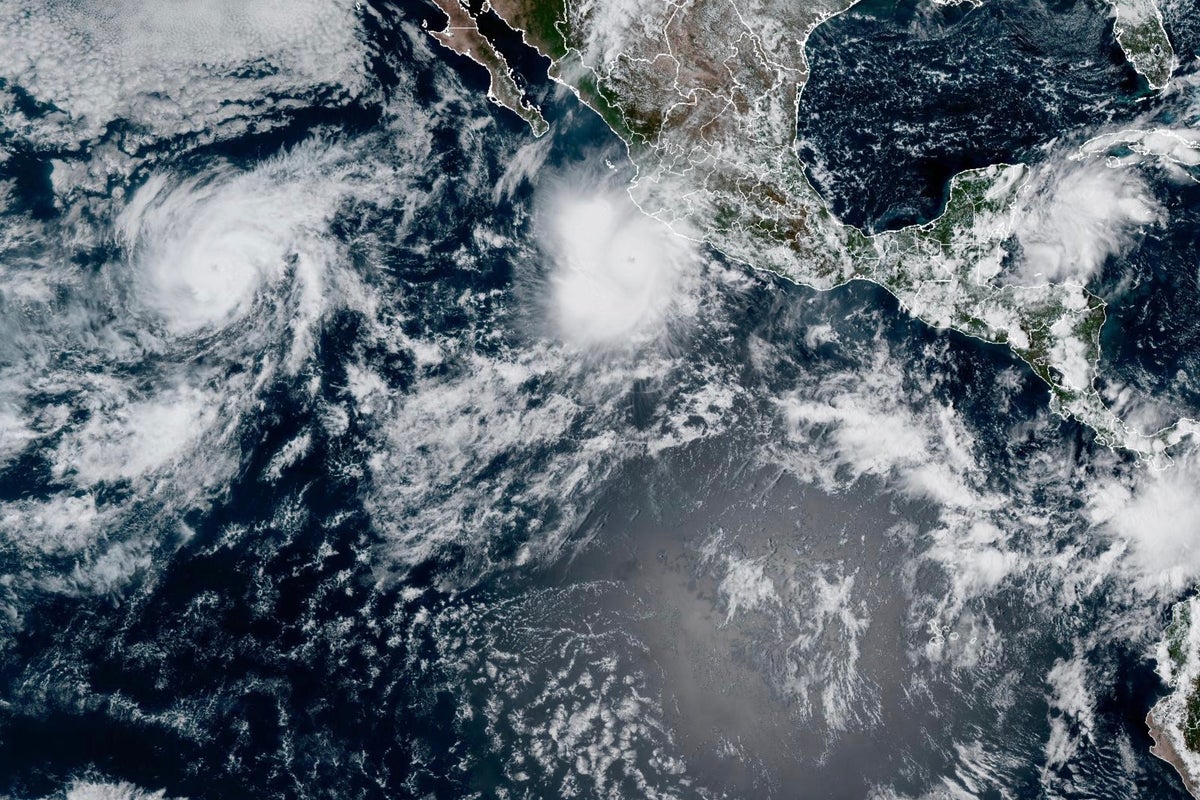
Scientists say the Pacific hurricane region east of the International Date Line has set a new record for accumulated cyclone energy (ACE) as a strong El Niño fuels unusually long‑lasting storms, according to the Independent.
What happened
Since September 20, when Hurricane Odalys formed, the basin has seen a string of storms that persist longer and intensify more than typical. On Sunday the ACE measurement for the area surpassed the previous high set in 2018, and the region remains active with Hurricane Simon still ongoing. The next day the Pacific is expected to tie the record for most days with a hurricane spinning, with forecasts suggesting it could soon break that mark.
What the reports add
Colorado State University researcher Phil Klotzbach explained that the El Niño weakens the high‑altitude wind shear that normally hinders Pacific storms, effectively giving them a tail‑wind boost. University of Arizona atmospheric scientist Kim Wood echoed that “almost everything that can spin up does spin up.” University at Albany professor Kristen Corbosiero noted that El Niño has raised sea‑surface temperatures by several degrees Fahrenheit, providing extra fuel for storms. The report also contrasts the Pacific’s activity with the Atlantic, where ACE is less than 18 % of normal because the same El Niño creates head‑winds that suppress Atlantic cyclones.
What was said
“Since September 20th, when Odalys formed, it’s been berserk,” Phil Klotzbach told the Independent.
“It feels like almost everything that can spin up does spin up,” Kim Wood said.
“The waters are warm from both El Niño and climate change from the burning of coal, oil and gas,” Wood added.
How it came about
The current season follows a series of earlier reports by Felo News on Pacific activity, including a September 24 article on the surge driven by El Niño and a September 25 piece on Hurricane Polo’s impact on the U.S. West Coast. Those pieces highlighted the same climatic drivers—enhanced ocean heat and altered wind patterns—that the Independent now cites as the cause of the record‑setting ACE.
Key facts
- The Pacific east of the International Date Line surpassed the 2018 ACE record. (independent.co.uk)
- El Niño weakens wind shear in the Pacific, acting like a tail‑wind for storms. (independent.co.uk)
- Atlantic ACE is less than 18 % of normal because El Niño creates head‑winds there. (independent.co.uk)
- Sea‑surface temperatures in the Pacific are several degrees Fahrenheit above normal. (independent.co.uk)
- Hurricane Simon remains active as the basin approaches a record for most days with a hurricane. (independent.co.uk)
Sources
- [1] independent.co.uk — originally reported as “Pacific hurricane region sets record for big, long-lasting storms thanks to El Niño”