Brief
US sanctions force Iranian airlines to cancel flights and raise fares
The latest round of US measures targets 27 Iranian airlines and foreign service providers, causing widespread cancellations and soaring costs.
By Felo News Desk · Published
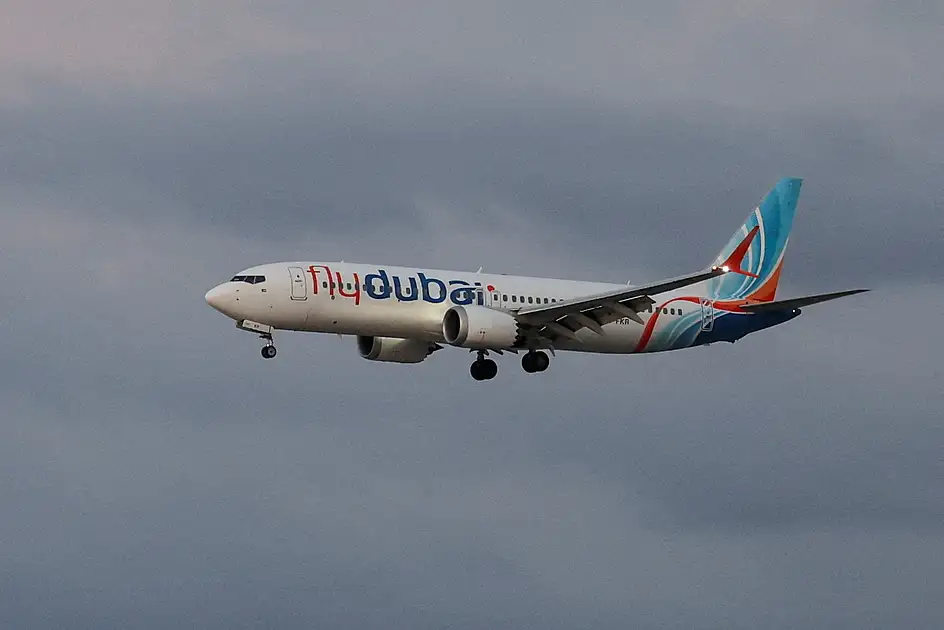
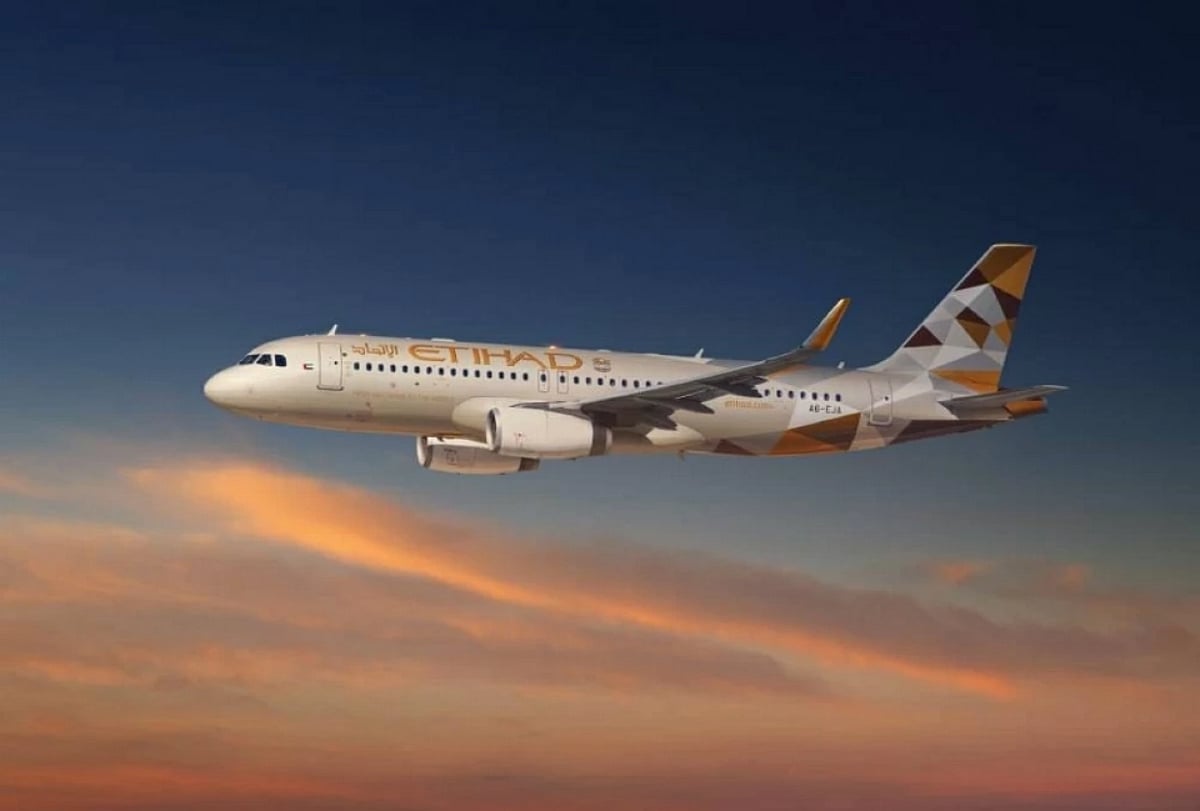
New United States sanctions announced in August and enforced after a September 23 deadline have led to the suspension of direct flights between Iran and the United Arab Emirates and a sharp rise in ticket prices, Al Jazeera reported on 16 October 2026.
What happened
Before the sanctions, a Tehran‑Dubai flight took less than three hours and cost between $100 and $200. Within a month, the same route can require up to 18 hours of travel and cost more than $1,000. The sanctions target 27 Iranian airlines and threaten secondary sanctions against foreign airports, fuel suppliers, ground‑handling firms and other service providers that work with Iranian carriers.
The first visible impact occurred on 24 September when an Iranian flight to Dushanbe was forced to turn back after Turkmenistan denied it airspace. The United Arab Emirates, Azerbaijan and Georgia also suspended services for Iranian flights. Flights to Muscat, Baghdad and several Turkish cities were cancelled, and a brief disruption affected flights to Najaf in late September.
What the reports add
Al Jazeera notes that while most international airlines have not resumed services to Iran, routes to China and Russia continue operating, though restoring suspended routes will require negotiations with other governments. More than three weeks after the sanctions took effect, limited flights still run to Moscow, Najaf, Istanbul, Yerevan and Guangzhou, but the overall network remains severely restricted.
What was said
Amir, a 43‑year‑old Iranian‑American living in Illinois, described the personal impact: “My mother lives in the United States, but her medical records are in Iran. For months, her medical appointments have been delayed because of the war and the conditions it has created. A few weeks ago, we decided to take advantage of the relative calm and make a trip to Iran so she could receive medical care. But then the new sanctions were announced, effectively disrupting flights to Iran.”
How it came about
The sanctions are part of the United States’ Operation Economic Outcast, launched in August to increase pressure on Iran by targeting the few remaining sectors of its economy that remain linked to the global system. By threatening foreign companies with secondary sanctions, the U.S. aims to block routes into and out of Iran and further isolate the country’s air transport sector.
Key facts
- Direct Tehran‑Dubai flights now take up to 18 hours and cost over $1,000. (aljazeera.com)
- The U.S. sanctioned 27 Iranian airlines and threatened secondary sanctions on foreign service providers. (aljazeera.com)
- An Iranian flight to Dushanbe was forced to return on 24 September after Turkmenistan denied airspace. (aljazeera.com)
- Flights to Muscat, Baghdad, several Turkish cities and Najaf were cancelled following the sanctions. (aljazeera.com)
- Amir’s mother’s medical travel plans were disrupted by the new sanctions. (aljazeera.com)
Sources
- [1] aljazeera.com — originally reported as “US sanctions leave Iranians facing flight cancellations and soaring costs”