Residents flee Oleshky as winter hunger deepens under Russian occupation
With electricity, heat and water gone, a 40‑year‑old former hairdresser walked 20 km through a mined corridor to leave the Russian‑occupied city.
By Felo News Desk · Published
Fewer than 2,000 residents remain in Oleshky, a Russian‑occupied city in Ukraine’s Kherson region, as winter approaches, according to reports from the Winnipeg Free Press and The Independent.
What happened
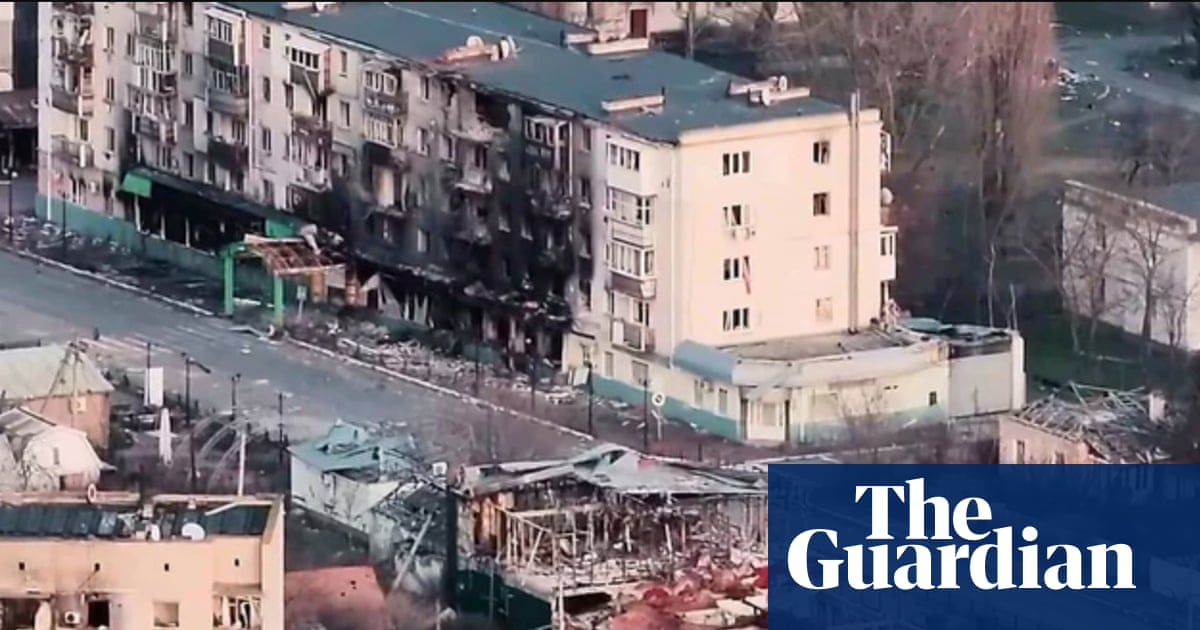
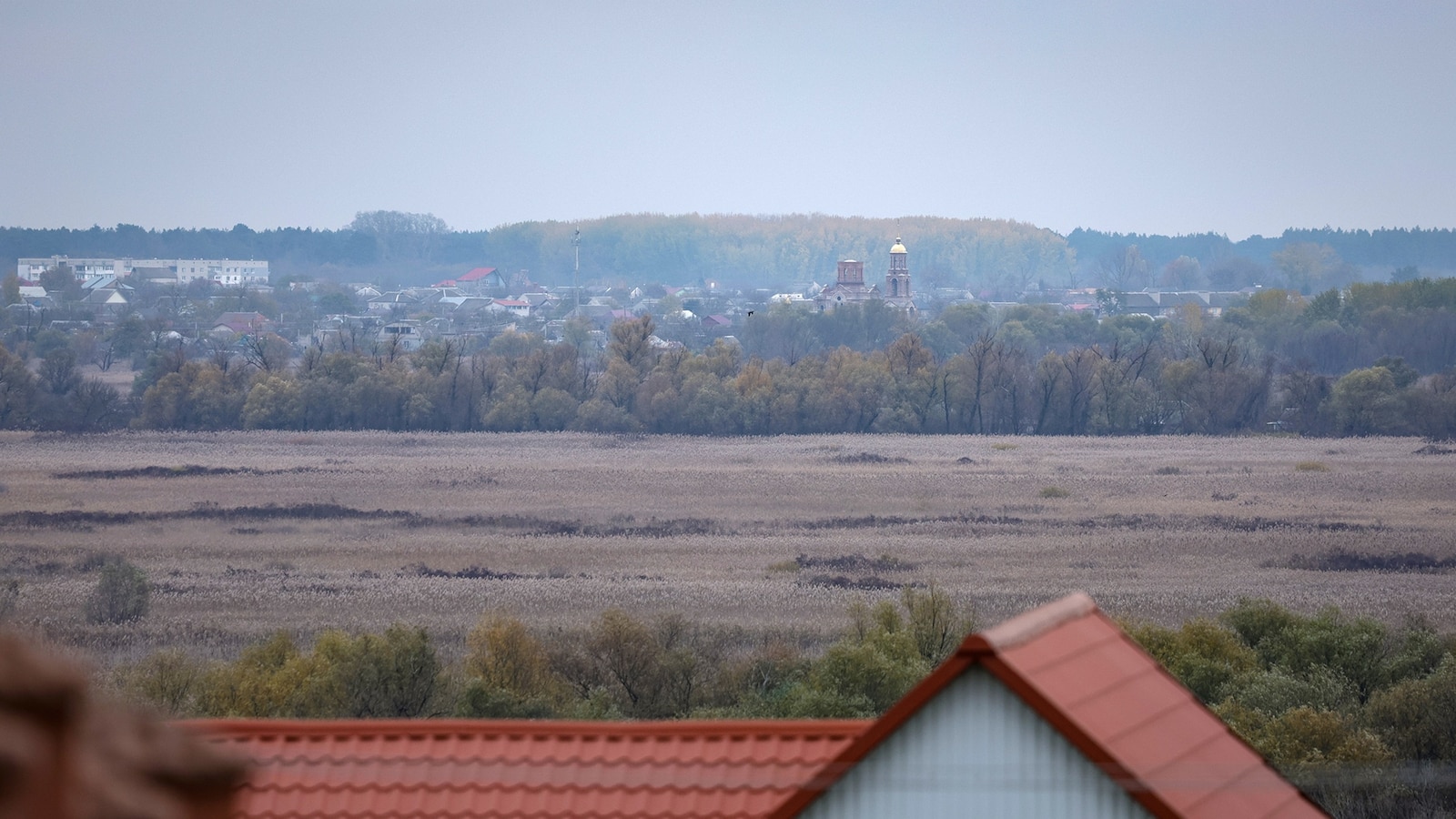
Oleshky, once home to about 24,000 people, was seized by Russian forces on the first day of the 2022 invasion. The city has since endured shelling, loss of infrastructure and a blockade that halted food, medicine and utilities. In June 2023 floodwaters from the Kakhovka Dam collapse further devastated the town; an Associated Press investigation linked the dam explosion to the Russian military. By October 2026 the population had dwindled to under 2,000, with no electricity, heat or running water, and roads surrounding the city mined and littered with burned‑out vehicles.
What the reports add
- Both outlets describe a “road of death,” a partially mined 20‑kilometre (12‑mile) corridor that residents must traverse to escape.
- The Winnipeg Free Press notes that menacing drones continuously buzz overhead, adding to the sense of danger.
- The Independent repeats the dam‑explosion attribution and adds that the morgue is overflowing with bodies as residents scrounge for food, draw water from wells and burn firewood.
- Both stories cite President Volodymyr Zelenskyy’s October 12 remarks in Poland, calling Oleshky “razed to the ground” and urging the city be “unblocked” so citizens can return.
- A phone call on Friday between Pope Leo XIV and President Vladimir Putin is reported, with the Pope urging a ceasefire to allow food and medicine deliveries; the Kremlin said Putin voiced support for the Vatican’s effort.
What was said
“Every step could have been my last,” said the 40‑year‑old former hairdresser, who asked to remain unnamed, to the Winnipeg Free Press.
“There is nothing left in Oleshky. No food, no supplies, no medical care, no aid whatsoever,” she told The Associated Press, speaking on condition of anonymity.
Ukrainian Foreign Minister Andrii Sybiha called the situation a humanitarian catastrophe at the UN General Assembly.
Russian spokesman Dmitry Peskov blamed Ukrainian forces for blocking aid.
How it came about
Earlier Felo News coverage documented the worsening situation in Oleshky. On 27 September 2026, Felo reported that roughly 2,000 civilians were surviving on a single daily meal as Russian forces blocked aid (oleshky-civilians-starve). The following day, a piece on the blockade described residents fleeing through a mined corridor (oleshky-blockade). Context reports note that since May 2026 Russian expansion of minefields and drone cover has halted food supplies, and that the city’s population had previously fallen from about 40,000 to roughly 6,000 before the current count of under 2,000.
Key facts
- Fewer than 2,000 people remain in Oleshky as of October 2026 (winnipegfreepress.com)
- The city has had no electricity, heat or running water for months (independent.co.uk)
- A 40‑year‑old former hairdresser walked 20 km along a partially mined route to escape (winnipegfreepress.com)
- Oleshky was captured by Russian forces on the first day of the 2022 invasion (independent.co.uk)
- Flooding in June 2023 after the Kakhovka Dam collapse added to the crisis (independent.co.uk)
Timeline
- 2022-02-24 — Russian forces capture Oleshky on the first day of the full‑scale invasion
- 2023-06-06 — Kakhovka Dam collapse floods Oleshky
- 2026-09-27 — Felo News reports 2,000 civilians left with one meal a day
- 2026-09-26 — Felo News details blockade and mined escape routes