Brief
Turkish archaeologists uncover world’s oldest shipwreck off Antalya
The Early Bronze Age wreck, discovered near Kekova Island, predates the previously‑held record by centuries.
By Felo News Desk · Published
Archaeologists announced on 14 October 2026 that they have identified the world’s oldest known shipwreck off Turkey’s Antalya coast, dating the vessel to between 4,400 and 4,700 years ago.
What happened
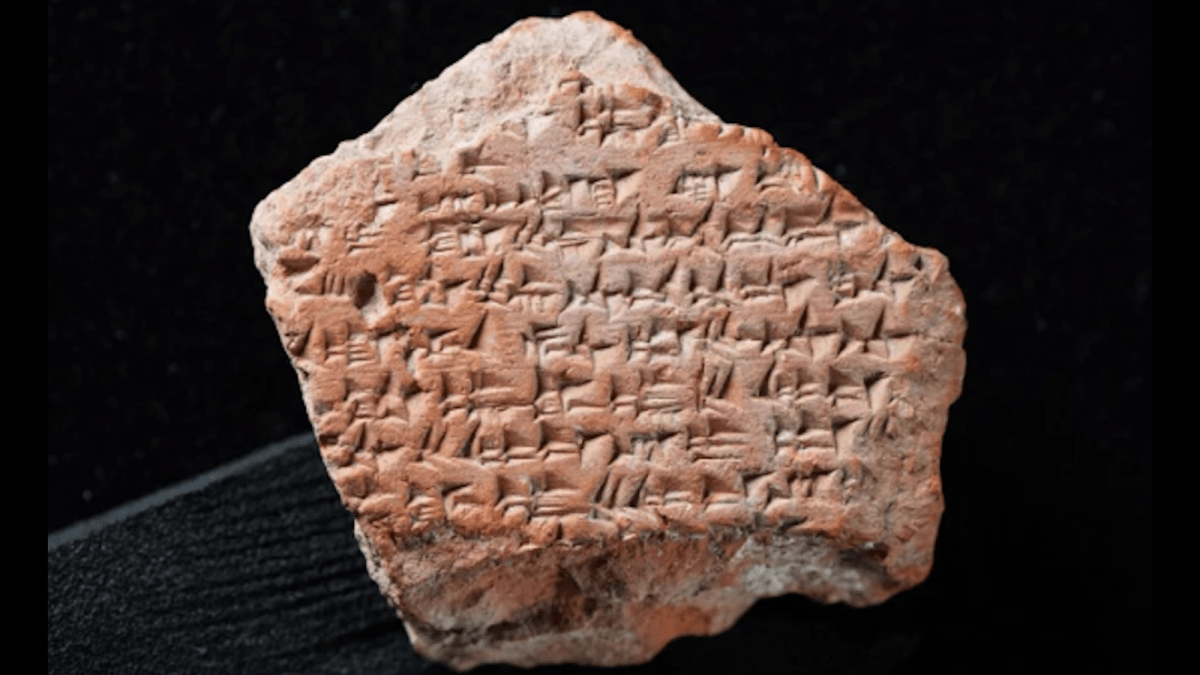
The underwater team, led by associate professor Hakan Öniz of Akdeniz University, documented a 33‑foot‑long Early Bronze Age trade ship near Kekova Island in the Demre district. While the wooden hull has not survived, the wreck yielded 30 ceramic storage jars and stone anchors that were dated to 2600‑2400 BC. The find pushes the record back from the previously‑cited Dokos wreck (c. 2200 BC).
What the reports add
Independent reported that the ceramic vessels and anchors were dated to 2600‑2400 BC, and that the ship likely carried cargo across the Mediterranean during the Early Bronze Age. CBS News added that some of the jars still contain traces of their original contents, offering a “time capsule” of ancient trade goods. Both outlets note the ship’s age aligns with the construction of the Great Pyramid of Giza.
What was said
Turkey’s Culture and Tourism Minister Mehmet Nuri Ersoy told CBS News the wreck will “offer insights into ancient trading connections and the everyday lives of seafarers.” Hakan Öniz, speaking to BBC News via CBS, described the site as “a time capsule at the bottom of the sea.”
How it came about
The discovery resulted from a systematic study of the Kekova region conducted by Akdeniz University, as noted in a Journal of Maritime Archaeology article. Felo previously reported on a separate Turkish shipwreck off Antalya dated to about 2,100 years ago (ancient-shipwreck-turkey), highlighting the country’s rich underwater heritage.
Key facts
- The wreck dates to 4,400‑4,700 years ago, making it the oldest known shipwreck. (independent.co.uk)
- The ship was about 33 feet long and carried ceramic storage jars and stone anchors. (cbsnews.com)
- The discovery was led by associate professor Hakan Öniz of Akdeniz University. (cbsnews.com)
Sources
- [1] independent.co.uk
- [2] cbsnews.com