Brief
Dietitian says meal‑replacement shakes can supplement but not replace meals
Kylie King notes shakes provide calories and convenience but lack the satiety of solid food.
By Felo News Desk · Published
Registered dietitian Kylie King told The Independent that meal‑replacement shakes can be a convenient supplement to a balanced diet but should not be used as a long‑term substitute for regular meals.
What happened
King, who has worked in behavioural weight‑loss for over 15 years, explained that shakes typically contain calories, protein, carbohydrates and a blend of vitamins and minerals designed to mimic a meal’s nutritional profile. She said they are “substantial enough to provide you with the energy you need until your next meal” and are often recommended for clients who skip breakfast or need a quick lunch on a busy day.
What the reports add
The Independent notes that the popularity of protein‑rich shakes is rising, citing Circana’s Eating Patterns in America study, which found more than 48 % of U.S. adults are seeking higher protein intake. The article also references a 2019 University of Oxford review that linked adding meal replacements to weight‑loss programmes with greater weight loss after one year.
What was said
King told The Independent, “I advise thinking of meal replacements as a convenient supplement to, not a substitute for, a balanced diet.” She added, “Convenience is the other major advantage – a shake takes no cooking or planning, travels easily, and covers the lunch that would otherwise get skipped on a busy day.” On the downside, she warned, “The main disadvantage is that liquid calories tend to be less filling than the same calories eaten as solid food… drinking takes less time than chewing, and that shorter time in the mouth gives your body less opportunity to register fullness.”
How it came about
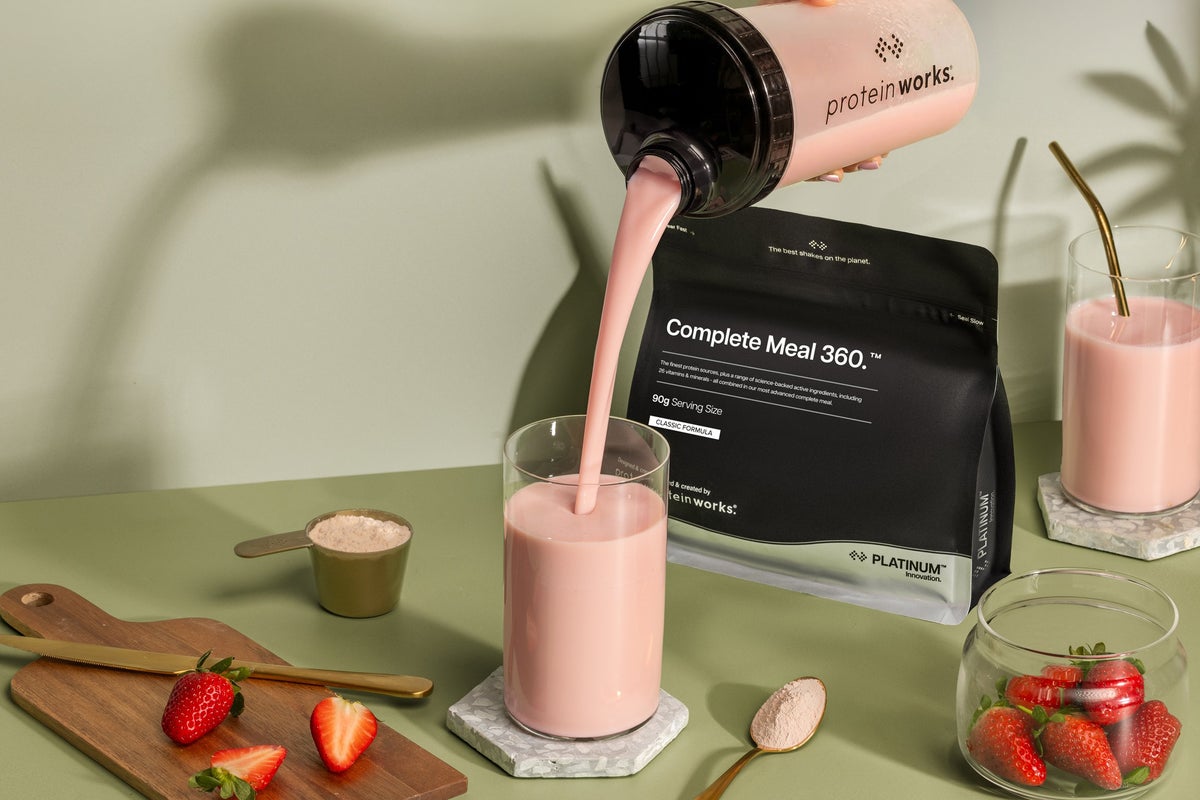
King’s comments come amid a broader trend of protein‑maximising diets and the rise of GLP‑1‑driven weight‑loss products in the United States. Earlier Felo coverage highlighted the launch of Protein Works’ Complete Meal 360 – Platinum shake, which offers up to 40 g of protein per serving, underscoring the market’s growth in high‑protein, ready‑to‑drink options.
Key facts
- Meal‑replacement shakes contain calories, protein, carbs and vitamins to mimic a real meal. (independent.co.uk)
- Kylie King recommends shakes as a supplement, not a full meal replacement. (independent.co.uk)
- A 2019 Oxford review found meal replacements added to weight‑loss plans increased weight loss after one year. (independent.co.uk)
- Circana’s study reports over 48 % of American adults are seeking more protein in their diets. (independent.co.uk)
Sources
- [1] independent.co.uk — originally reported as “Expert reveals whether shakes can replace meals”