Brief
India drafts steel policy aiming for 604 MT capacity by 2047
The draft replaces the 2017 policy, sets higher capacity goals and outlines steps to secure raw materials and cut emissions intensity.
By Felo News Desk · Published
India’s Ministry of Steel released a draft National Steel Policy – Vision 2047 that seeks to lift crude steel capacity to 604 million tonnes (MT) by 2047, nearly 2.75 times the current 220 MT per annum, according to newindianexpress.com.
What happened
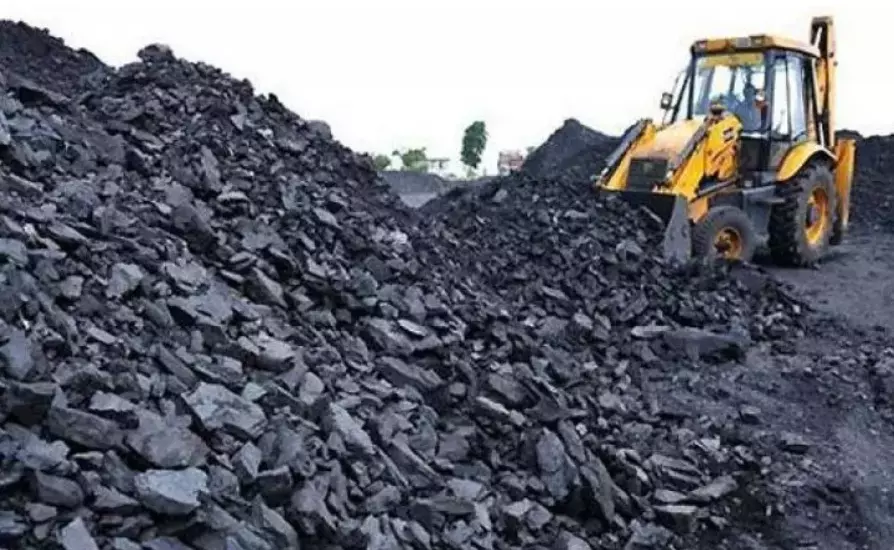
The draft, published on 11 October 2026, projects finished‑steel demand of 505 MT by 2047, up from 164 MT in 2025‑26, and per‑capita consumption of 302 kg. It assumes an average utilisation rate of 88%, translating to 531 MT of crude steel production. The policy also forecasts coking‑coal demand to rise from the present 72 MT to 236 MT annually, more than tripling the current requirement.
What the reports add
The document notes that raw materials account for 65‑70% of steel‑making costs and that India imports about 92% of its coking‑coal, mainly from Australia, the United States and Russia. Domestic coking‑coal washing capacity stands at 39 MT per year, but output is only around 6 MT from roughly 17 MT of feed coal, a gap attributed to low yields and idle capacity. Iron‑ore demand is projected to climb to 772 MT by 2047, up from 299 MT today, while the share of high‑grade ore in reserves has fallen from 70% in FY19 to 46% in FY22.
What was said
The draft itself outlines a four‑phase decarbonisation pathway: energy efficiency and renewable energy, coal gasification, green‑hydrogen‑based direct‑reduced iron (DRI) production, and finally carbon capture, utilisation and storage (CCUS). It targets a reduction in average emission intensity from 2.54 t CO₂ per tonne of crude steel to about 1.54 t by 2047, though it does not set an absolute emissions ceiling.
How it came about
The policy replaces the National Steel Policy 2017, which had aimed for 300 MT of crude capacity by 2030‑31. The new draft lowers the 2030 target to 294 MT, slightly below the earlier goal, but accelerates longer‑term ambitions. It proposes overseas asset acquisition, expansion of coal washeries, optimisation of coal blends, a viability‑gap‑funding scheme for slurry pipelines, and a single‑window clearance mechanism to improve raw‑material security.
Key facts
- Draft policy targets 604 MT crude steel capacity by 2047. (newindianexpress.com)
- Coking‑coal demand is projected to rise to 236 MT annually by 2047. (newindianexpress.com)
- Average emission intensity is to fall from 2.54 to 1.54 t CO₂ per tonne of steel. (newindianexpress.com)
- India currently imports about 92% of its coking‑coal. (newindianexpress.com)
- Domestic coking‑coal washing capacity is 39 MT but output is only ~6 MT. (newindianexpress.com)
Sources
- [1] newindianexpress.com — originally reported as “Draft steel policy targets 604 MT capacity by 2047; coking coal demand to triple”




.jpg)